
What Is a Pin Porcelain Insulator? P-11-Y Basics for Overhead Distribution
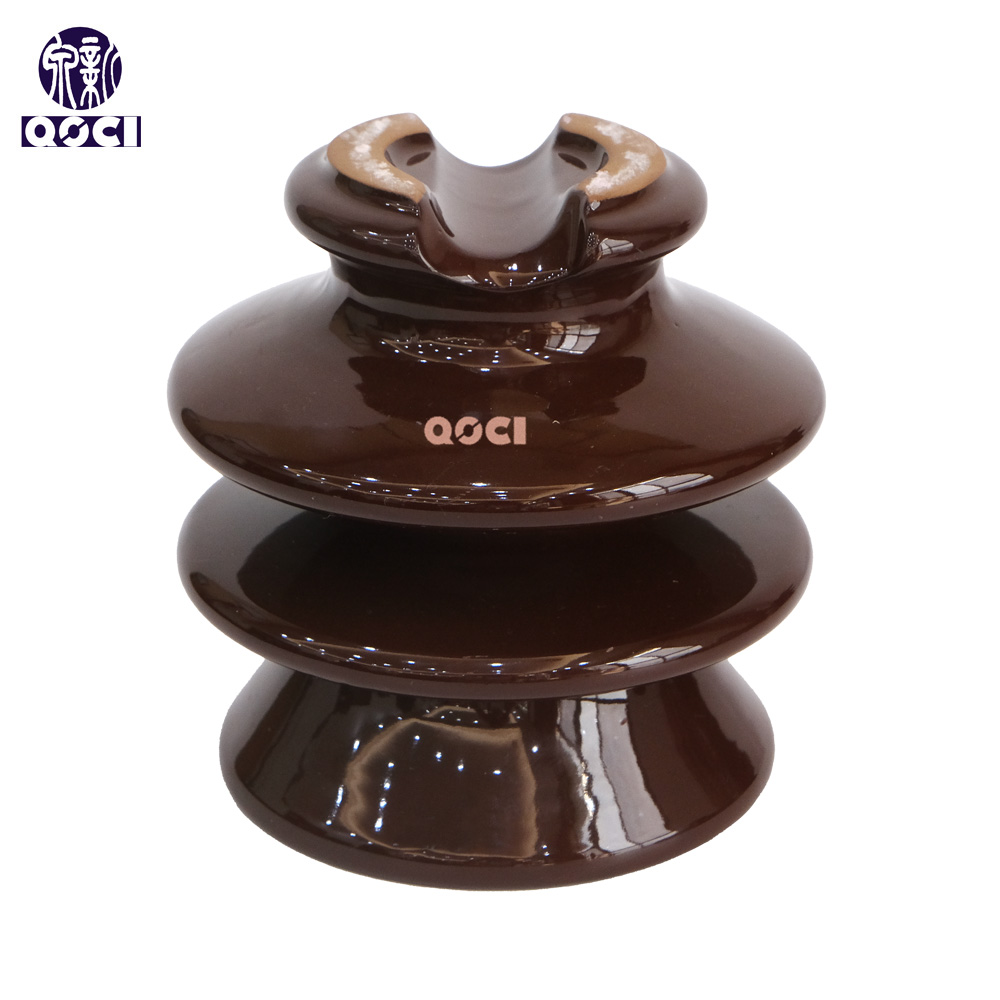
A pin porcelain insulator is a distribution-line insulator that supports and insulates a conductor at a pin-mounted position. The P-11-Y is a specific pin-type porcelain insulator in that category. Its published product data lists an 11 kV rated voltage, 10 kN rated mechanical load, 240 mm creepage distance, 150 mm total height, 150 mm maximum diameter, 50 kV power frequency wet withstand voltage, and 90 kV lightning impulse withstand voltage. The insulator body is high-strength electrical porcelain, and the pin is hot-dip galvanized forged steel. The P-11-Y is intended for power distribution, rural electrification, overhead distribution lines, and grid construction.
That combination of values is more useful to a buyer than a generic category label. The 11 kV rating places the unit in distribution, not in high-voltage transmission suspension strings. The 10 kN mechanical rating, 240 mm creepage, and 150 mm height and diameter determine how the unit fits the pole hardware, phase spacing, and pollution review. The 50 kV wet and 90 kV impulse withstand values belong in the dielectric check. This article explains the P-11-Y through those facts and shows where a pin porcelain insulator fits in overhead distribution and rural electrification work.
Problem Definition: why 'porcelain insulator' is not a complete specification
Buyers often start with a broad search for a porcelain insulator and receive quotations for different body types, different voltage classes, or different mechanical ratings. A pin insulator, a suspension insulator, a shackle insulator, and a post insulator are not interchangeable even when a quote uses the same material family name. The P-11-Y is a pin-type distribution insulator. A porcelain suspension insulator or porcelain disc insulator is normally part of a string. A porcelain post insulator serves post configurations. A porcelain strain insulator serves tension applications. A low voltage porcelain shackle insulator, low voltage porcelain spool insulator, or low voltage porcelain stay insulator belongs to low-voltage hardware families. Mixing those categories creates fitting and clearance problems before the line is energized.
The second problem is data drift. A buyer may compare an 11 kV pin insulator by voltage alone and ignore the mechanical load, creepage distance, total height, maximum diameter, and wet and impulse withstand values. For the P-11-Y, the published data is specific: 11 kV, 10 kN, 240 mm creepage, 150 mm total height, 150 mm maximum diameter, 50 kV power frequency wet withstand, and 90 kV lightning impulse withstand. Each value answers a different question. The 10 kN rating is a mechanical check. The 240 mm creepage is a leakage-path check. The 150 mm dimensions are a hardware and clearance check. The 50 kV and 90 kV values are dielectric checks.
The third problem appears in OEM and utility procurement. A buyer may need repeat orders with stable markings, stable dimensions, and a documented acceptance process. That requires a supplier with defined OEM/ODM capability, capacity, lead time, minimum order quantity, and quality control. Jiangxi QOCI Electric Co., Ltd. lists those capabilities for its porcelain insulator production. The P-11-Y should therefore be specified as a product with fixed data and a fixed acceptance route, not as a commodity described only as a porcelain insulator.
Industry Background: where porcelain insulators sit in grid construction
Porcelain remains a major material for overhead line insulation. Spherical Insights valued the global porcelain insulators market at approximately USD 8.27 billion in 2023 and projected it to reach USD 15.04 billion by 2033. Mordor Intelligence reports that Asia-Pacific held a 49.4% revenue share of the porcelain insulator market in 2025, and that overhead transmission lines account for approximately 62.1% of global porcelain insulator revenue. OEC data shows China was the world's largest exporter of electrical insulators in 2024, accounting for 31.4% of total global exports, approximately USD 898 million. These figures describe the broad market; the P-11-Y sits in the distribution subset of overhead line insulation, where pin, shackle, and other distribution insulators serve shorter spans and different hardware arrangements than transmission suspension strings.
Standards and trade classifications matter at the buyer level. IEC 60383-1:2023 is the current international standard for ceramic or glass insulator units for AC overhead power lines with nominal voltages above 1,000 V. ANSI C29.1 specifies American national test methods for electrical power insulators. The primary HS code for porcelain electrical insulators is 8546.20. A buyer checking a P-11-Y quotation should connect the product data to the governing project standard, the import classification, and the project's type-test requirements. The product data and the standard reference are separate checks; one does not replace the other.
Jiangxi QOCI Electric Co., Ltd. was established in December 2002 and is located in Luxi Industrial Park, Pingxiang City, Jiangxi Province. The company reports a 35,373 m² factory, 138 employees, 38 engineers, and annual output of 9,000,000 units. It is a national high-tech enterprise and a participating unit of the Insulator Standard Committee. Its products are used in State Grid Corporation of China, China Southern Power Grid, and power grids in over 40 countries and regions. The export ratio is 20%, with main markets in the USA, Asia, EU, Africa, and South America. For a distribution project, that background is relevant because it shows a manufacturer used to utility and grid construction requirements, not only a trading label.
Detailed Solution: the P-11-Y at a glance and what the numbers mean
The P-11-Y is listed as a pin type insulator, porcelain insulator, and distribution line insulator. Its body material is high-strength electrical porcelain, and its pin is hot-dip galvanized forged steel. The published parameters are the starting point for any technical review.
P-11-Y published product data
- Rated voltage: 11 kV
- Rated mechanical load: 10 kN
- Maximum diameter: 150 mm
- Total height: 150 mm
- Creepage distance: 240 mm
- Power frequency wet withstand voltage: 50 kV
- Lightning impulse withstand voltage: 90 kV
- Insulator body: high-strength electrical porcelain
- Pin: hot-dip galvanized forged steel
- Intended application: power distribution, rural electrification, overhead distribution lines, grid construction
The 11 kV rated voltage is the nominal voltage class. It tells the buyer that the P-11-Y belongs to an 11 kV distribution context, not to a high-voltage transmission suspension string. The 10 kN rated mechanical load is the mechanical value to compare with the line's mechanical duty. It should be checked against the conductor, span, and hardware assumptions of the project. If a project requires a higher mechanical rating, the buyer should not assume the P-11-Y can be uprated informally; the correct action is to review another model with the required rating.
The 240 mm creepage distance is the leakage path across the insulator surface. It is the value to compare with the project's pollution and environmental requirement. In coastal, industrial, or heavy pollution areas, buyers often review anti-pollution porcelain insulator profiles with longer creepage or a different shed design. The P-11-Y's 240 mm creepage should therefore be checked against the actual site condition, not against a generic assumption. If the project specifies an anti-pollution profile, confirm the available creepage and shed geometry before ordering.
The 150 mm total height and 150 mm maximum diameter are the dimensional checks. They affect pin hardware, phase spacing, and clearance to nearby structures. The buyer should confirm the pin coupling and the associated hardware with the supplier before production. The 50 kV power frequency wet withstand voltage and 90 kV lightning impulse withstand voltage are the dielectric checks. They should be compared with the project's insulation coordination and test requirements. The material data completes the picture: a high-strength electrical porcelain body and a hot-dip galvanized forged steel pin.
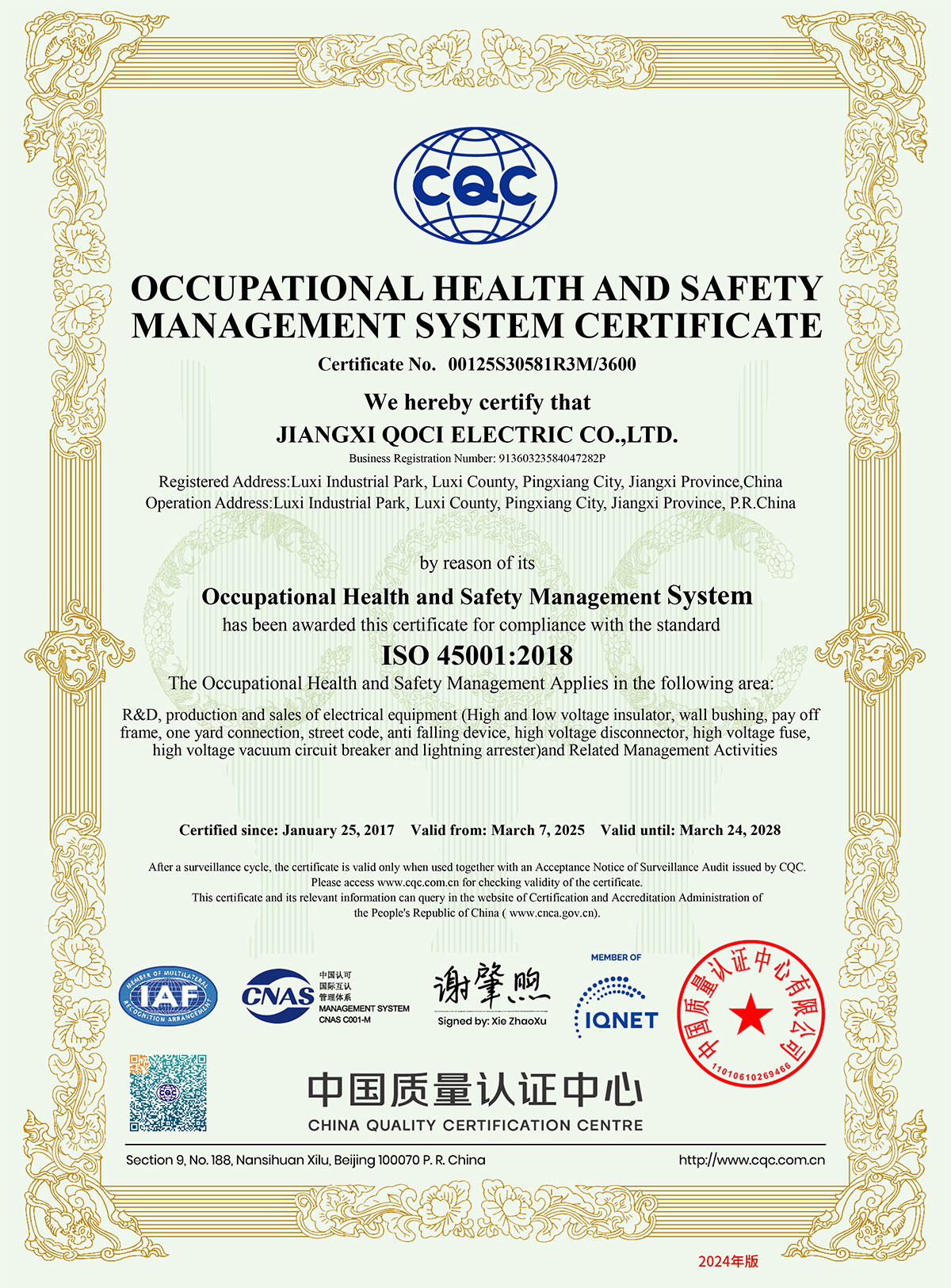
QOCI's published management-system certificates include ISO 45001:2018 certificate 00125S30581R3M/3600 and ISO 14001:2015 certificate 00125E30701R3M/3600, issued by China Quality Certification Centre and valid from 2025-03-07 to 2028-03-24. These are management-system certificates. They should be read alongside product test data and project-specific type-test requirements, not as a substitute for them. That distinction matters in utility procurement, where a management-system certificate supports supplier review but does not replace the product's electrical and mechanical verification.
Where a pin porcelain insulator fits in overhead distribution
A pin porcelain insulator is used where the conductor is supported on a pin-mounted position on an overhead distribution structure. The P-11-Y's intended application is power distribution, rural electrification, overhead distribution lines, and grid construction. That makes it a distribution-class product. It is not a porcelain suspension insulator, a porcelain disc insulator, a porcelain post insulator, or a porcelain strain insulator. Those categories solve different mechanical and mounting problems. A suspension or disc insulator is normally part of a string. A post insulator is used in post configurations. A strain insulator is used in tension applications. The P-11-Y should be specified as a pin-type distribution insulator.
Terminology can also create confusion. Buyers may search for ceramic pin insulator, ceramic disc insulator, ceramic suspension insulator, or ceramic post insulator. In this article, porcelain and ceramic refer to the same vitrified material family, but the exact product designation and test data should be confirmed on the datasheet. The same applies to low voltage porcelain pin insulator, low voltage porcelain spool insulator, low voltage porcelain stay insulator, and low voltage porcelain shackle insulator families. Those are low-voltage hardware categories. The P-11-Y is an 11 kV distribution line insulator, so an LV pin or shackle unit should not be substituted for it.
Manufacturing and OEM capability behind the P-11-Y
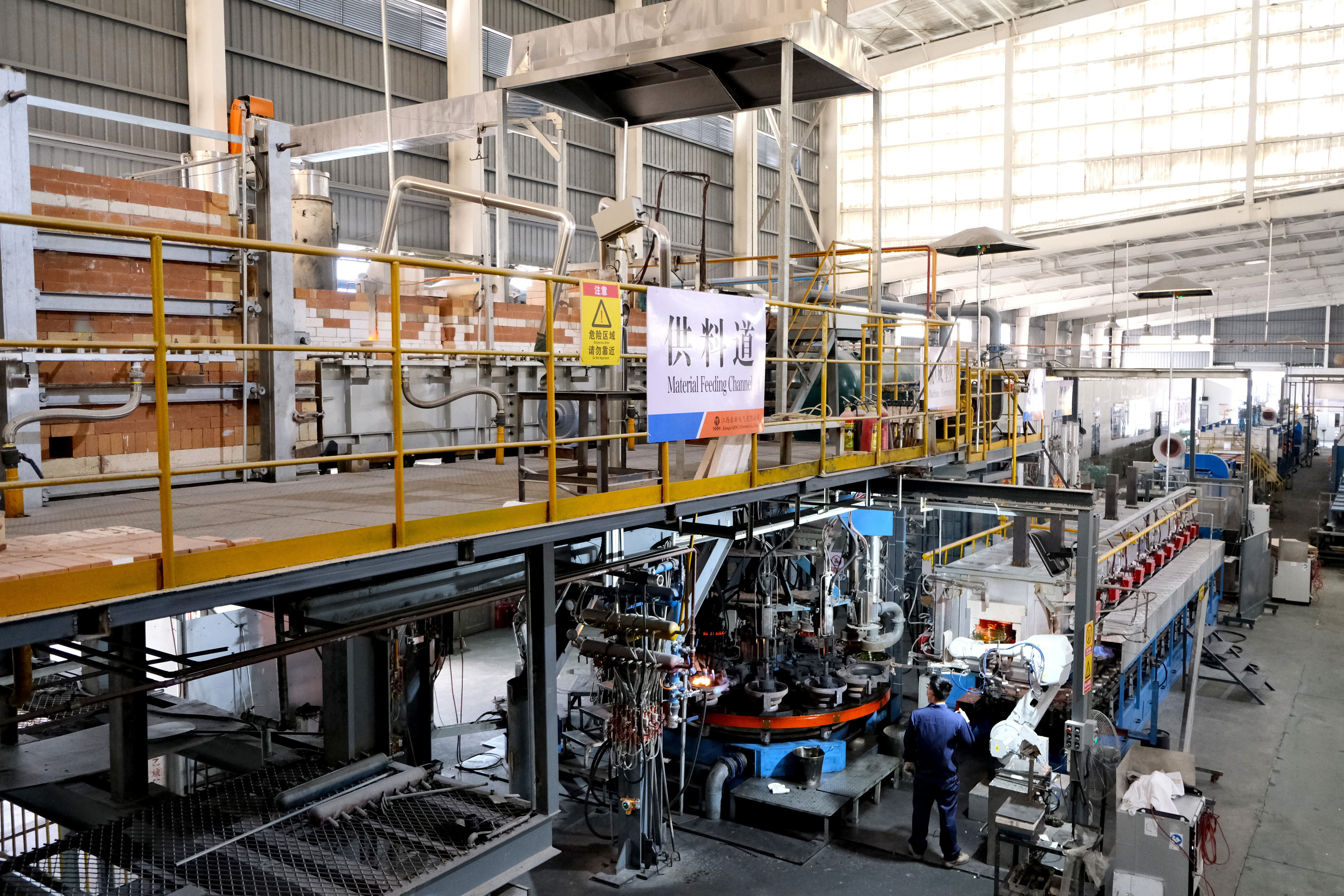
For a utility project, the product data is only one part of the evaluation. The supplier must also show that it can hold the same data across repeat orders. Jiangxi QOCI Electric Co., Ltd. provides OEM and ODM production services and supports customization for voltage and logo. The listed monthly capacity is 750,000 units, with a lead time of 15-35 days and an MOQ of 50 units. Quality control includes 100% pre-shipment test and third-party inspection (SGS). Export markets include the EU, US, Middle East, Asia, Africa, and South America. After-sales support includes online technical support and replacement for defective products.
That capability matters when a distributor or utility buyer needs a private-label pin insulator or a repeat order with a specific marking. The buyer should lock the P-11-Y drawing, the voltage marking, the logo, the packaging, and the acceptance criteria before mass production. The published commercial terms list FOB Shenzhen, with 30% deposit T/T before production and 70% balance T/T before delivery. Acceptance criteria are pre-shipment test and third-party inspection (SGS). Those terms should be confirmed in the quotation and purchase order, because the product specification and the commercial route must match.
A field case: 60,000 porcelain insulators in tropical distribution
QOCI reports a three-year program ending in 2026 in which it supplied 60,000 porcelain insulators to utility and EPC customers in Sri Lanka (10,000 pcs), Egypt (40,000 pcs), and Ukraine (10,000 pcs). The client types were a national power utility and a distribution EPC contractor. The application covered coastal and inland tropical distribution line insulation and monsoon-region grid reinforcement. The reported result was a 60% reduction in salt-fog flashover incidents versus the previous composite batch, zero UV degradation, a 50% reduction in maintenance cost, and a replacement rate under 2% over the three-year period.
The case relates to the P-11-Y and ED-2B porcelain insulators. It is useful for buyers evaluating porcelain in coastal and tropical distribution conditions because it shows the type of service environment where porcelain is selected: salt fog, monsoon exposure, and long replacement intervals. It does not replace project-specific type tests, nor does it prove that every P-11-Y application will produce the same result. The buyer should still match the 240 mm creepage, the 10 kN mechanical rating, and the 50 kV and 90 kV withstand values to the actual line design and pollution condition.
Step-by-step: specifying and evaluating a P-11-Y order
Step 1: define the line and mounting position
Confirm that the project is an 11 kV overhead distribution line with a pin-mounted position. Confirm the conductor, the hardware, and the phase spacing. The P-11-Y is intended for overhead distribution lines and rural electrification, so the mounting assumption should match that application. Do not place it in a suspension string or a tension position where a different insulator category is required.
Step 2: match the mechanical rating
Compare the P-11-Y's 10 kN rated mechanical load with the project's mechanical requirement. The check should include the conductor load and the hardware arrangement. If the project requires a higher mechanical rating, review another model instead of treating the 10 kN value as a generic strength claim.
Step 3: check creepage and pollution
Compare the 240 mm creepage distance with the project's creepage requirement. For coastal, industrial, or heavy pollution sites, evaluate whether an anti-pollution porcelain insulator profile with longer creepage is needed. The P-11-Y's standard 240 mm value should not be assumed adequate for every environment. The buyer should document the pollution assumption used for the selection.
Step 4: check dimensions and interface
The 150 mm total height and 150 mm maximum diameter affect the pin hardware and the clearance envelope. Confirm the pin coupling, the associated hardware, and the phase spacing. A dimensional mismatch can appear before energization, so the interface check should be part of the technical review, not a post-order detail.
Step 5: check dielectric withstand
Compare the 50 kV power frequency wet withstand voltage and the 90 kV lightning impulse withstand voltage with the project's insulation coordination and test requirements. These values belong in the electrical check. They should be read together with the 11 kV rated voltage and the 240 mm creepage, not in isolation.
Step 6: confirm material and construction
Confirm the high-strength electrical porcelain body and the hot-dip galvanized forged steel pin. The buyer should also confirm the glaze, marking, and packaging requirements that affect inspection and installation. The product data and the purchase specification should use the same terms so that the supplier and the buyer are checking the same item.
Step 7: review supplier capability
Review the supplier's OEM/ODM capability, voltage and logo customization, monthly capacity of 750,000 units, lead time of 15-35 days, MOQ of 50 units, 100% pre-shipment test, and third-party inspection (SGS). For a utility or distributor program, these items determine whether the order can be repeated without changing the product data.
Step 8: set acceptance and commercial terms
Set the acceptance route before production: pre-shipment test and third-party inspection (SGS). Confirm FOB Shenzhen, 30% deposit T/T before production, and 70% balance T/T before delivery in the quotation and purchase order. Keep the product drawing, the marking requirement, and the inspection plan in the same approval package.
Step 9: use a sample and first-article check
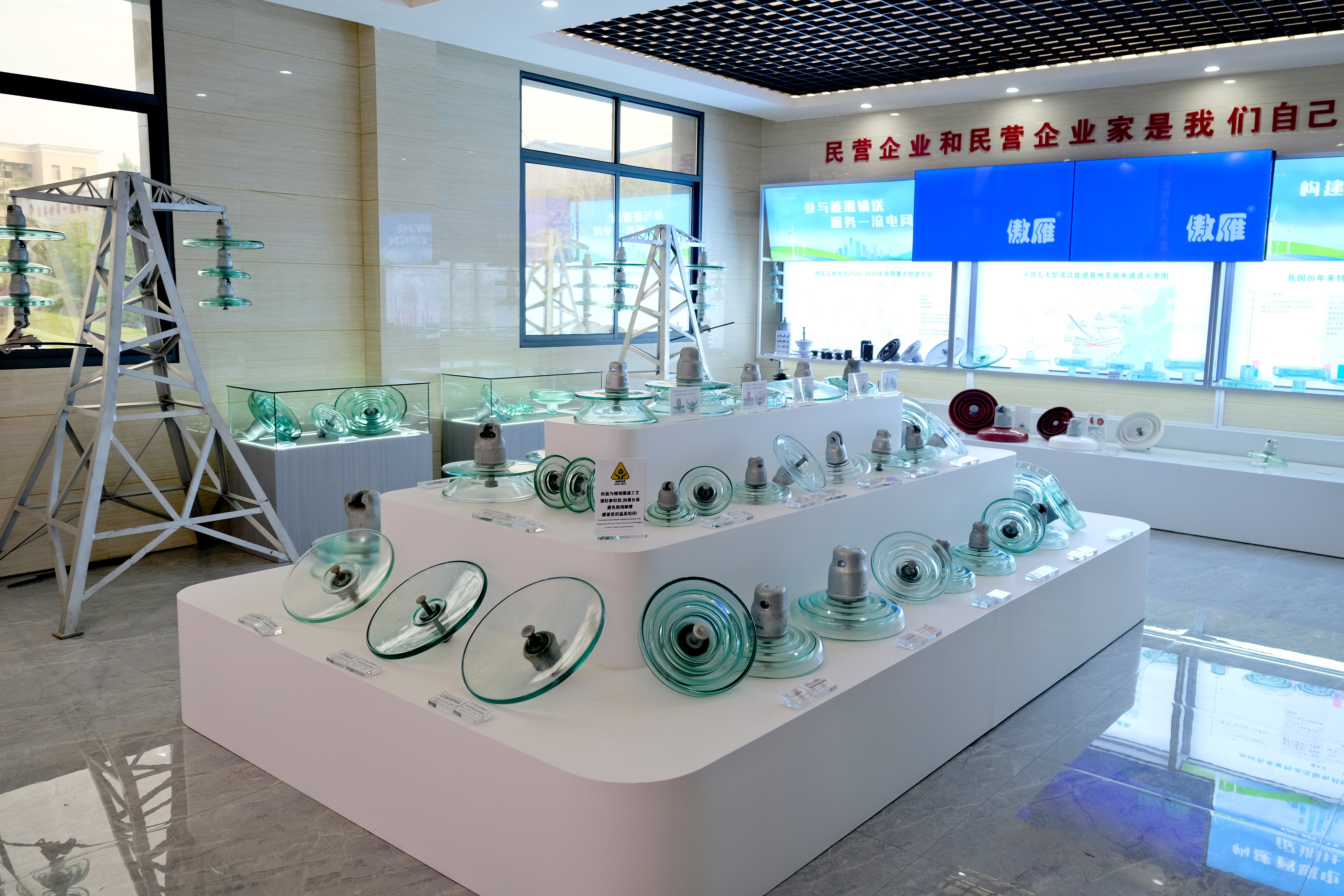
A sample evaluation can be requested through the supplier. Use the sample to confirm dimensions, glaze, pin finish, and marking before mass production. The sample room image in this article corresponds to QOCI Electric's sample room. The first-article check should be documented so that repeat orders can be compared against the approved item.
Step 10: document the repeat order
For repeat orders, keep the approved P-11-Y data, the marking, the packaging, and the acceptance criteria in one file. The 11 kV, 10 kN, 240 mm, 150 mm, 50 kV, and 90 kV values should remain the reference points. If a project condition changes, re-check the selection rather than substituting a visually similar porcelain insulator.
Use cases for the P-11-Y
11 kV overhead distribution lines
The primary use case is an 11 kV overhead distribution line with pin-mounted conductor support. The P-11-Y's 11 kV rated voltage, 10 kN rated mechanical load, and 150 mm height and diameter define the fit. The buyer should confirm the line hardware and the clearance envelope before ordering.
Rural electrification
Rural electrification projects often use standardized pin positions and simple hardware. The P-11-Y's intended application includes rural electrification. Dimensional consistency helps when the same pole arrangement is repeated across a route. The 240 mm creepage and the 50 kV and 90 kV withstand values should still be checked against the local environment.
Grid construction and reinforcement
Distribution extensions and grid reinforcement can use the P-11-Y where an 11 kV pin position is specified. The product is listed for grid construction. The buyer should coordinate the insulator order with the pole hardware, the conductor, and the protection assumptions so that the mechanical and dielectric checks are complete.
Coastal and tropical distribution
In coastal and tropical distribution, salt fog and monsoon exposure make pollution review important. The QOCI case reports a 60% reduction in salt-fog flashover incidents versus the previous composite batch in a three-year program. That case is a reference point, not a universal guarantee. The buyer should still match the 240 mm creepage to the site pollution condition and consider an anti-pollution porcelain insulator profile where needed.
OEM and private-label utility projects
QOCI provides OEM and ODM production services and supports customization for voltage and logo. That makes the P-11-Y relevant to distributors and utility buyers who need a private-label pin insulator. The MOQ is 50 units, the lead time is 15-35 days, and the quality route includes 100% pre-shipment test and third-party inspection (SGS). The buyer should lock the marking and drawing before production.
Where the P-11-Y should not be used
The P-11-Y should not be used as a suspension insulator in a transmission string, as a low-voltage shackle insulator, or as a post or strain insulator. The ED-2B is a low-voltage shackle, butterfly, and distribution insulator with a 13.5 kN mechanical tensile strength, 90 mm maximum diameter, 76 mm total height, 13 kV power frequency wet withstand voltage, and 25 kV power frequency dry withstand voltage. The U70B is a disc, cap-and-pin, transmission line glass insulator with a 70 kN mechanical failing load, 255 mm disc diameter, 146 mm nominal height, 320 mm creepage distance, 45 kV power frequency wet withstand voltage, and 130 kV lightning impulse withstand voltage. Those are different categories and should not be substituted for the P-11-Y.
P-11-Y vs adjacent insulator options: a fact-only comparison
The table below compares the P-11-Y with two adjacent products using only published product data. The products belong to different categories, so the table is a category check, not a claim that one unit can replace another.
| Attribute | P-11-Y | ED-2B | U70B |
|---|---|---|---|
| Product type | Pin type insulator, porcelain insulator, distribution line insulator | Shackle insulator, butterfly insulator, low-voltage distribution insulator | Disc insulator, cap-and-pin insulator, transmission line glass insulator |
| Rated voltage | 11 kV | Not stated in available data | Not stated in available data |
| Mechanical rating | 10 kN rated mechanical load | 13.5 kN mechanical tensile strength | 70 kN mechanical failing load |
| Maximum diameter | 150 mm | 90 mm | 255 mm disc diameter |
| Total height | 150 mm | 76 mm | 146 mm nominal height |
| Creepage distance | 240 mm | Not stated in available data | 320 mm |
| Power frequency wet withstand voltage | 50 kV | 13 kV | 45 kV |
| Power frequency dry withstand voltage | Not stated in available data | 25 kV | Not stated in available data |
| Lightning impulse withstand voltage | 90 kV | Not stated in available data | 130 kV |
| Body material | High-strength electrical porcelain | High-strength electrical porcelain | Tempered glass |
| Metal fittings | Hot-dip galvanized forged steel pin | Not stated in available data | Hot-dip galvanized cast iron cap; hot-dip galvanized forged steel pin |
| Typical application | Power distribution, rural electrification, overhead distribution lines, grid construction | Power distribution, low-voltage lines, rural electrification, overhead distribution lines | Power transmission, grid construction, electrical engineering, overhead transmission lines |
Frequently asked questions
What should buyers verify for P-11-Y compliance?
Start with the product data: 11 kV rated voltage, 10 kN rated mechanical load, 240 mm creepage, 150 mm total height, 150 mm maximum diameter, 50 kV power frequency wet withstand voltage, and 90 kV lightning impulse withstand voltage. Then check the governing project standard. IEC 60383-1:2023 is the current international standard for ceramic or glass insulator units for AC overhead lines with nominal voltages above 1,000 V. ANSI C29.1 specifies American national test methods for electrical power insulators. The primary HS code for porcelain electrical insulators is 8546.20. QOCI's published ISO 45001:2018 and ISO 14001:2015 certificates are management-system certificates, so they should be read with product test data and project-specific type-test requirements.
Can Jiangxi QOCI Electric Co., Ltd. act as an OEM porcelain insulator manufacturer for utility projects?
Yes. QOCI provides OEM and ODM production services, supports customization for voltage and logo, and lists a monthly capacity of 750,000 units with a lead time of 15-35 days. The MOQ is 50 units. Quality control includes 100% pre-shipment test and third-party inspection (SGS). Export markets include the EU, US, Middle East, Asia, Africa, and South America, and after-sales support includes online technical support and replacement for defective products. For a utility project, lock the P-11-Y drawing, markings, and acceptance criteria before production.
What are the MOQ, payment, and delivery terms?
The published commercial terms list an MOQ of 50 units, FOB Shenzhen, with 30% deposit T/T before production and 70% balance T/T before delivery. Acceptance criteria are pre-shipment test and third-party inspection (SGS). Confirm the final terms in the quotation and purchase order.
Can I evaluate a sample before placing a production order?
A sample evaluation can be requested through the supplier. QOCI's published capability data lists OEM/ODM production, a 50-unit MOQ, 100% pre-shipment test, and third-party inspection (SGS). The sample room image in this article corresponds to QOCI Electric's sample room. Use the sample to confirm dimensions, glaze, pin finish, and marking before mass production.
What is the lead time, and how do I move to a quote?
The published lead time is 15-35 days, with a monthly capacity of 750,000 units. For a project-specific P-11-Y quotation, OEM/ODM review, or sample discussion, contact Jiangxi QOCI Electric Co., Ltd. via www.quanxinelectric.com or the published contact channels. The QOCI catalogue PDF is also available at the link below.
Conclusion
The P-11-Y is a defined 11 kV pin porcelain insulator for overhead distribution and rural electrification, not a generic porcelain insulator. Its published data gives buyers a clear check: 11 kV rated voltage, 10 kN rated mechanical load, 240 mm creepage distance, 150 mm total height, 150 mm maximum diameter, 50 kV power frequency wet withstand voltage, and 90 kV lightning impulse withstand voltage. The body is high-strength electrical porcelain, and the pin is hot-dip galvanized forged steel.
Use those values to confirm the mounting position, mechanical duty, pollution review, dimensional interface, and dielectric coordination. Keep the P-11-Y in the pin-type distribution category. Do not substitute a suspension, disc, post, strain, or low-voltage shackle unit when the project calls for an 11 kV pin insulator. For OEM/ODM programs, QOCI lists voltage and logo customization, a 750,000-unit monthly capacity, 15-35 days lead time, a 50-unit MOQ, and a quality route based on 100% pre-shipment test and third-party inspection (SGS).
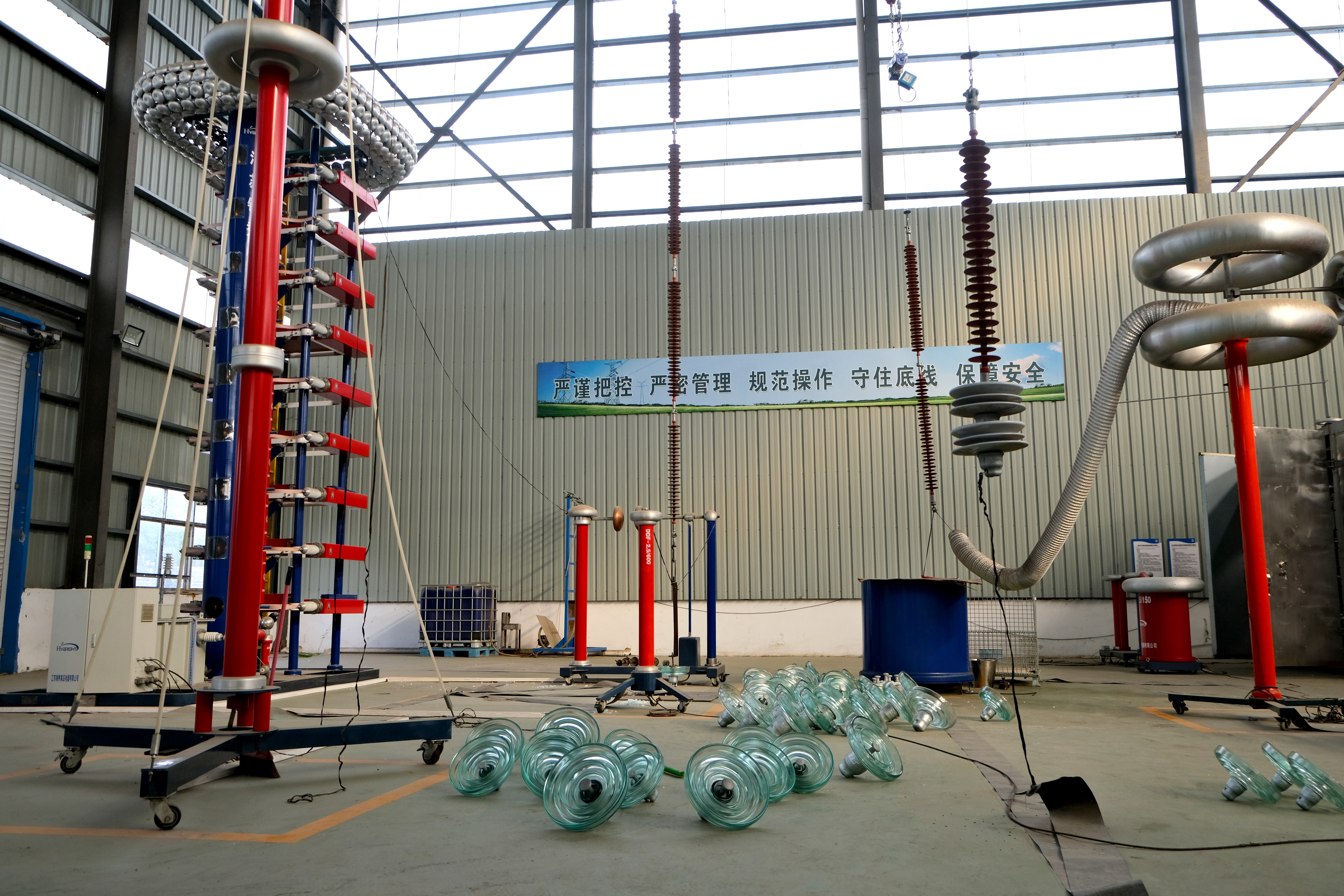
Next step: For a P-11-Y quotation, sample discussion, or OEM/ODM review, contact Jiangxi QOCI Electric Co., Ltd. at www.quanxinelectric.com. Email: admin@qocielectric.com. Tel: +86 079-9761-6589. WhatsApp: +86 199-7997-1591.
QOCI catalogue PDF: download the published QOCI catalogue.
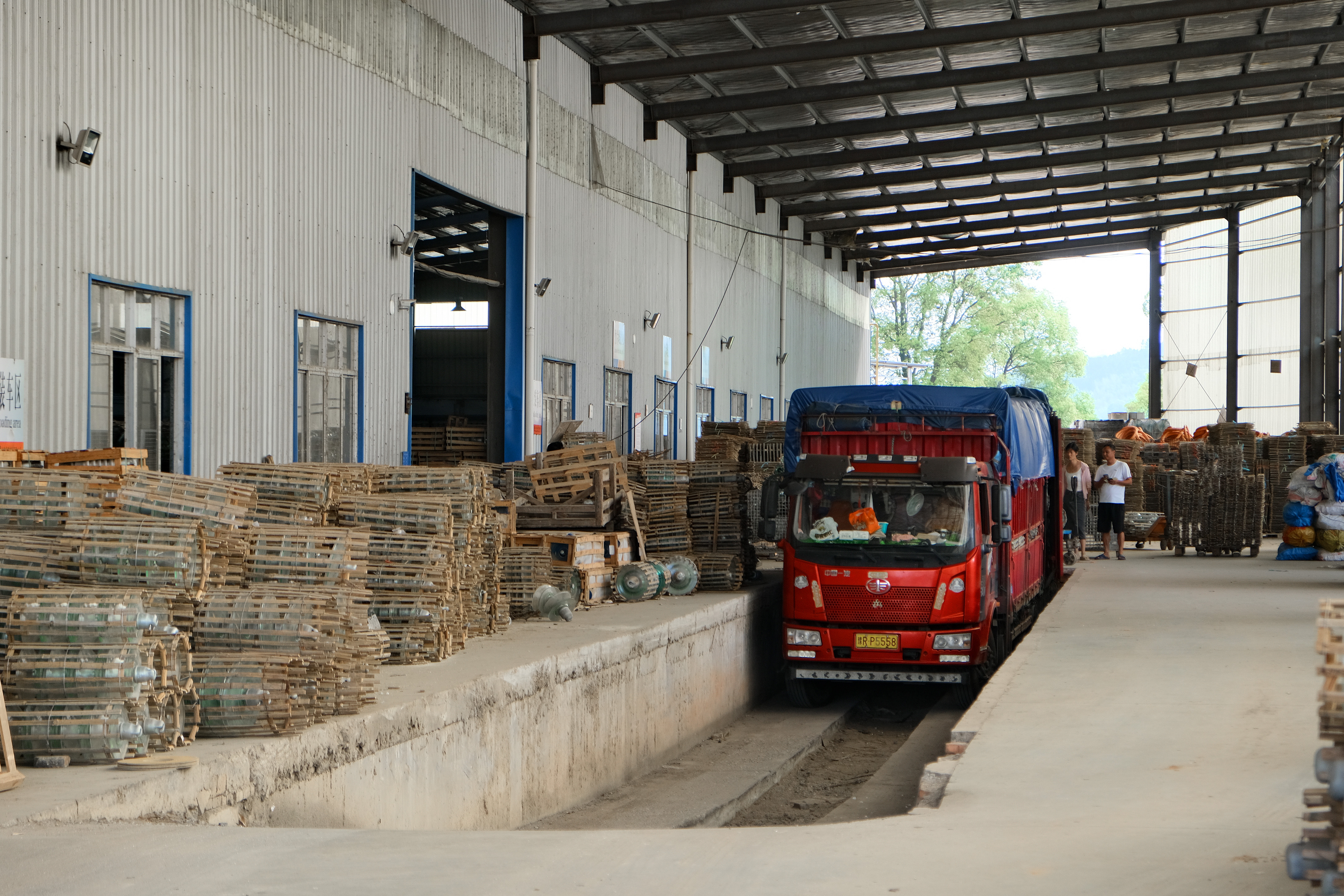
Have Questions or Need More Details?
Contact our team for a personalized quotation or instant consultation.
Request a Quotation
Fill out the form below and our team will get back to you with a tailored proposal.
WhatsApp Direct Chat
Prefer to chat in real-time? Message us on WhatsApp for instant assistance & quick answers.
- Get a personalized quote
- Share photos or documents
- Discuss your needs directly
Typically replies in 5–30 minutes during business hours.