
Porcelain Insulator Compliance Guide: Export Standards, Certification & Regional Rules
Porcelain Insulator Compliance Guide: Export Standards, Certification & Regional Rules
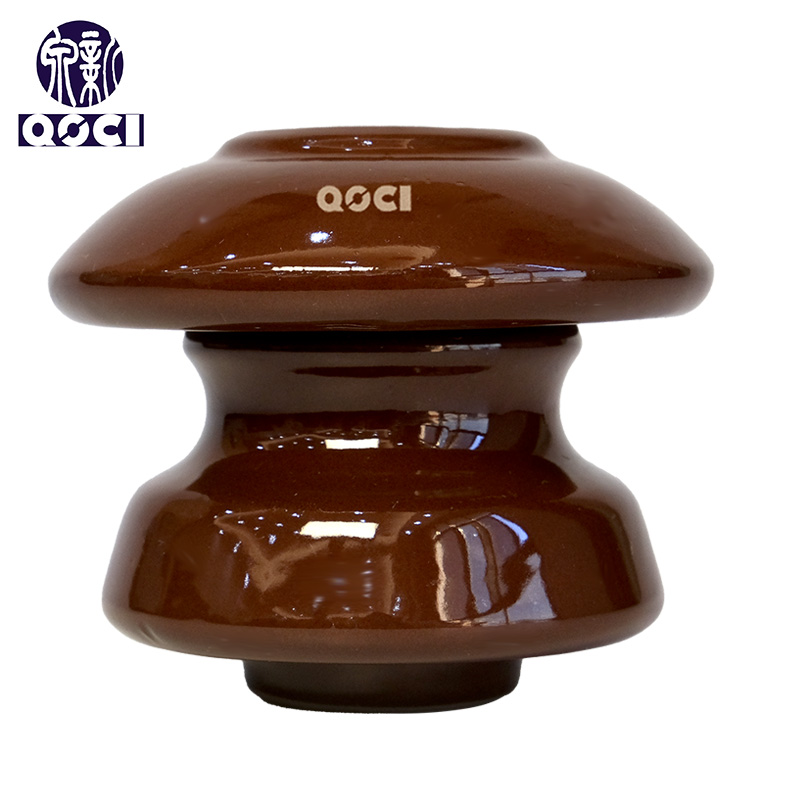
A porcelain insulator is compliant when three things line up: the standard framework named in the project specification, the documentation package that proves the test results, and the acceptance criteria written into the purchase order. Sourcing from China fails most often not because a factory lacks standards, but because the standard it tests to is not the standard the receiving utility, EPC contractor or customs authority accepts.
This guide is written for importers, utility procurement teams, EPC contractors and distributors who are at the research and evaluation stage of sourcing porcelain insulators. It explains how to align product standards, certification documentation and acceptance criteria across the USA, EU, Asia, Africa and South America, and how to map those checks onto the four porcelain insulator families most often specified for overhead line work: line post, pin, shackle and suspension.
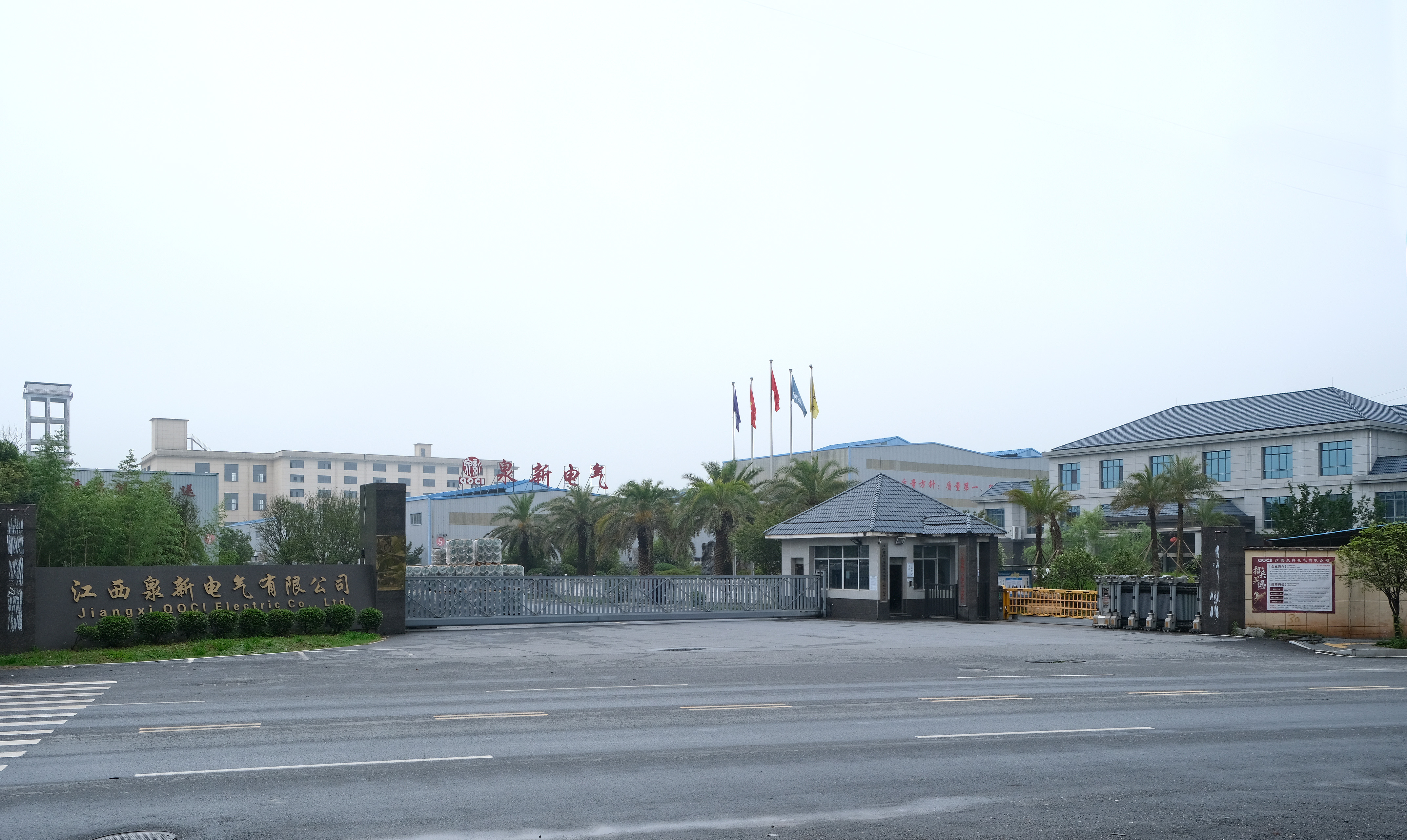
Jiangxi QOCI Electric Co., Ltd. is a porcelain and glass insulator manufacturer established in December 2002 and located in Luxi Industrial Park, Pingxiang City, Jiangxi Province, China. It is a national high-tech enterprise and a participating unit of the Insulator Standard Committee, and its products are used in power grid construction projects of State Grid Corporation of China and China Southern Power Grid as well as in power grids in more than 40 countries and regions.
Problem Definition: Where Porcelain Insulator Compliance Actually Breaks Down
Compliance failures in porcelain insulator procurement rarely come from a single defective unit. They come from a gap between what was tested, what was documented, and what the receiving project accepts. Four failure modes account for most of the friction.
Failure mode 1 — The standard does not match the destination
An insulator tested against one framework can still be rejected if the specification names another. North American tenders commonly reference the ANSI C29 series, while IEC-based frameworks such as IEC 60383-1, IEC 60305 and IEC 60672 are more often named in European, Asian, African and South American projects. The physical unit may be identical; the accepted evidence is not.
Failure mode 2 — The documentation package is incomplete
A type test report alone does not close a compliance file. Project buyers typically need routine test records, crack-detection coverage, material and glaze quality evidence, and confirmation of cement joint integrity. Whether dye penetration testing is applied to 100% of units or only to a sample batch is one of the clearest differences between supplier documents — and it is rarely stated unless the buyer asks for it.
Failure mode 3 — Acceptance criteria were never written into the purchase order
Specified mechanical load, creepage distance against the site pollution class (I–IV under IEC 60815), puncture withstand voltage of at least 1.2× dry flashover, and cement joint sealing against moisture ingress are all measurable. If they are not stated in the purchase order, they will be argued about at inspection, when replacement lead time is already the buyer's problem.
Failure mode 4 — Invisible degradation after installation
Porcelain insulators can develop zero-value degradation, meaning internal electrical breakdown with no visible external change. Visual inspection cannot detect it. That is why periodic live-line testing every three to five years using voltage gradient or spark gap detection is a normal part of a mature compliance program rather than an optional extra.
Industry Background: Scale, Standards and the China Export Position
The global porcelain insulators market was valued at approximately USD 8.27 billion in 2023 and is projected to reach USD 15.04 billion by 2033 (Spherical Insights). Asia-Pacific held a 49.4% revenue share in 2025, and overhead transmission lines account for roughly 62.1% of global porcelain insulator revenue (Mordor Intelligence). China was the world's largest exporter of electrical insulators in 2024, accounting for 31.4% of total global exports, approximately USD 898 million (OEC).
Market size figures vary by source and scope. Public 2025 estimates range from USD 4.0 billion (Dataintelo) to USD 9.87 billion (Mordor Intelligence), partly because different reports treat glass and composite products differently. Treat market size as directional planning input, not as a supplier selection criterion.
On the standards side, IEC 60383-1:2023 is the current international standard for ceramic or glass insulator units used on AC overhead power lines with nominal voltages above 1000 V. In North America, ANSI C29.1 specifies test methods for electrical power insulators. In China, GB/T 1001.1 applies to ceramic insulators for AC systems. For customs purposes, porcelain electrical insulators are classified under HS code 8546.20.
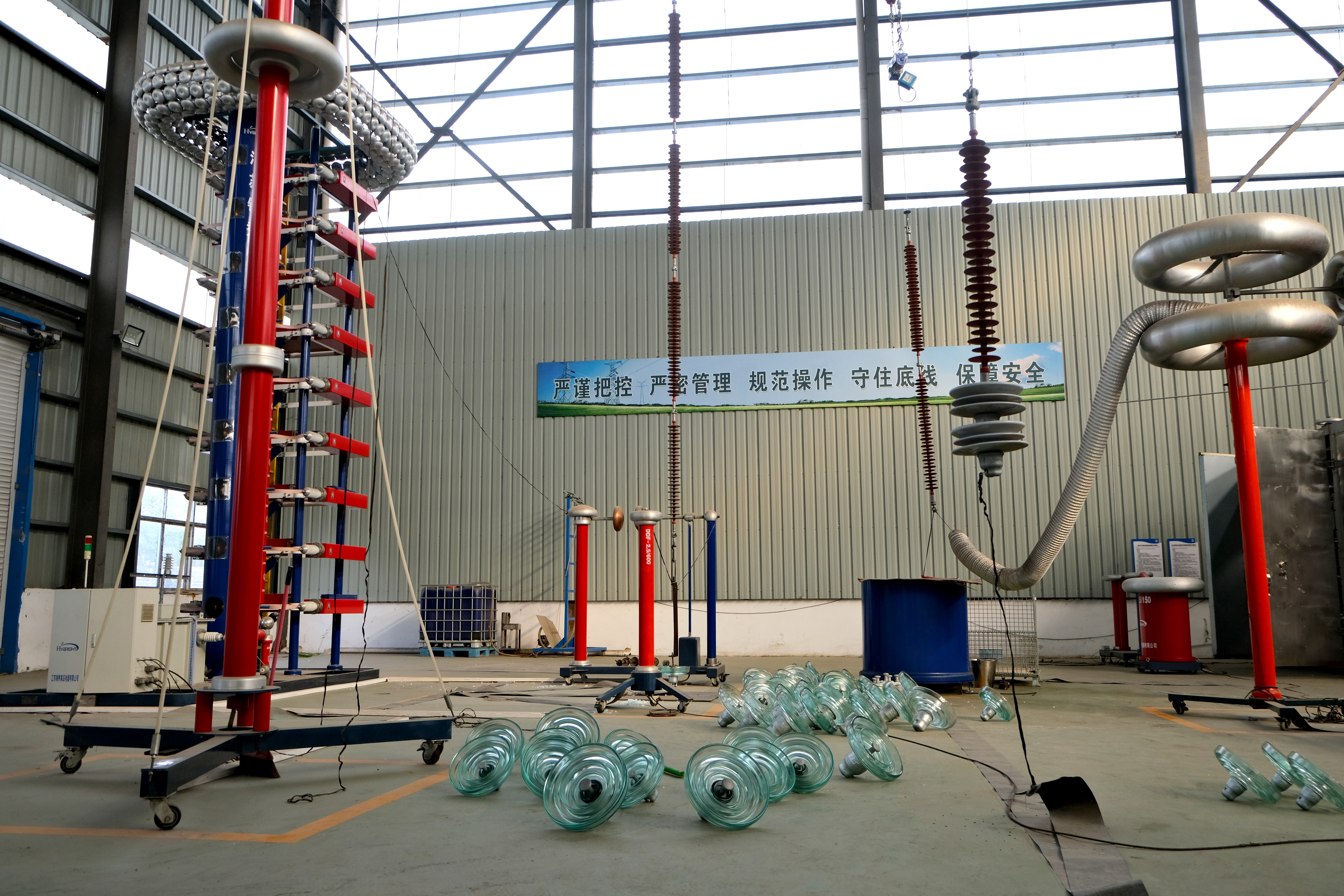
At the top of the high-performance ceramic insulator segment, manufacturers such as NGK Insulators Ltd. (Japan) and Lapp Insulators (Germany) are widely recognised as global market leaders. For most distribution and sub-transmission packages, however, the buying decision is driven less by brand tier than by whether the supplier can produce a complete, verifiable compliance file for the specific project conditions.
The Three-Layer Compliance Model
Aligning a porcelain insulator order across markets becomes manageable when compliance is treated as three separate layers. Each layer answers a different question, and each one can fail independently of the others.
Layer 1 — Standard framework: which rulebook applies?
Confirm the named standard before quoting. IEC 60383-1:2023 governs insulator units for AC overhead lines above 1000 V. IEC 60305 addresses string insulator units for overhead lines and the specified mechanical load concept. IEC 60672 covers ceramic and glass insulating materials, including glaze quality. ANSI C29.1 applies to North American test methods, and GB/T 1001.1 covers ceramic insulators for AC systems in China. Where a tender names one framework, the test plan should be written against that framework rather than against a supplier's default testing routine.
Layer 2 — Documentation: what proves the claim?
Four document groups carry most of the weight. First, type test reports covering the mechanical load type test, power frequency and impulse voltage withstand tests, and thermal cycling. Second, routine test records for the actual production batch. Third, material evidence: dye penetration testing for crack detection, porosity testing, and glaze quality inspection against the IEC 60672 material reference. Fourth, cement joint integrity verification, because moisture ingress through a degraded cement joint is a long-term failure path that no visual check will catch.
Third-party inspection adds an independent layer. Jiangxi QOCI Electric applies 100% pre-shipment testing and accepts third-party inspection (SGS), which means the buyer does not have to rely solely on the manufacturer's own quality statement.
Layer 3 — Acceptance criteria: what gets measured at delivery?
The measurable criteria that decide acceptance are consistent across markets. For string units, specified mechanical load sits in the SML 40–550 kN range. Creepage distance is designed against pollution class I–IV per IEC 60815, with an anti-pollution shed profile used where the site is coastal or industrial. Puncture withstand voltage should be at least 1.2× dry flashover. Cement joints must be sealed against moisture ingress, and hydrophobicity class of the glazed surface falls in the HC1–HC3 range.
Operating conditions define how strict those numbers need to be: outdoor exposure, high humidity, industrial pollution, and ambient temperature from −40 °C to +50 °C under IEC 60305 compliance conditions. Insulators run in 24/7 continuous passive insulation mode with no active components and zero power consumption, so there is no in-service adjustment — the design either matches the site or it does not. Matched equipment should also be confirmed at the same time: metal fittings, corona rings, suspension and tension clamps, arcing horns, grounding hardware and vibration dampers.
Regional Rules: What Changes Between the USA, EU, Asia, Africa and South America
Across all five regions the product is judged on the same basic parameters — mechanical load, creepage distance against pollution class, puncture withstand, glaze and cement joint integrity. What changes is the administrative frame around those parameters. Five variables decide whether a shipment clears acceptance.
- Standard framework named in the specification. North American tenders commonly reference ANSI C29 series test methods, while tenders in the EU, Asia, Africa and South America more often reference IEC-based frameworks including IEC 60383-1, IEC 60305, IEC 60672 and IEC 60815 pollution classes.
- Local content rules. India's DPIIT procurement policy, for example, requires 50% local content for porcelain insulators to be classified under Class I for government contracts — a rule that reshapes the sourcing structure rather than the product itself.
- Documentation language and format. Test reports, declarations and material certificates must be issued in the form the receiving authority accepts. This should be confirmed before the purchase order is issued, not after production starts.
- Customs classification and shipping documents. Porcelain electrical insulators fall under HS code 8546.20. The code on the commercial invoice and packing list should match the goods, because a classification dispute delays release independently of product quality.
- Witness and third-party inspection points. Who attends routine testing, and whether an independent body verifies the batch, is a contract-stage negotiation that should be settled in writing.
Where a regional rule is unclear, the practical approach is written confirmation item by item against the tender document, plus a documented sample evaluation before volume production. Jiangxi QOCI Electric serves buyers across the USA, Asia, EU, Africa and South America, with exports representing roughly 20% of output and products operating in power grids in more than 40 countries and regions, including Europe and the Middle East.
Mapping Compliance Checks to Porcelain Insulator Types
Compliance requirements attach to the product type, because each type carries load differently and sits at a different point in the network. The same documentation template will not cover all four families.
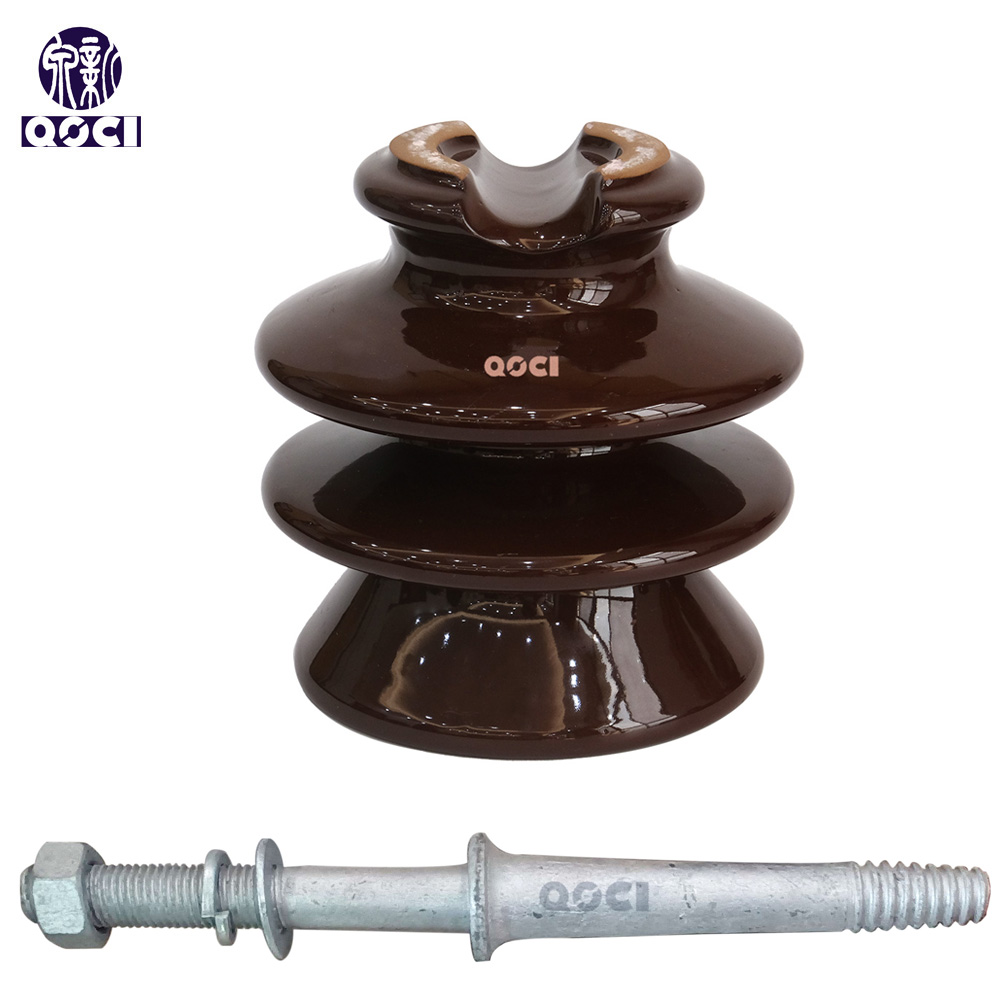
Pin type porcelain insulators — P-11-Y
The P-11-Y pin insulator is rated at 11 kV with a rated mechanical load of 10 kN, a maximum diameter of 150 mm, a total height of 150 mm and a creepage distance of 240 mm. Power frequency wet withstand voltage is 50 kV and lightning impulse withstand voltage is 90 kV. The body is high-strength electrical porcelain and the pin is hot-dip galvanized forged steel. It is applied in power distribution, rural electrification, overhead distribution lines and grid construction. Compliance focus: creepage distance against the local pollution class, galvanizing specification of the pin, and impulse withstand verification.
Shackle and butterfly low-voltage insulators — ED-2B
The ED-2B shackle insulator has a mechanical tensile strength of 13.5 kN, a maximum diameter of 90 mm, a total height of 76 mm, power frequency wet withstand voltage of 13 kV and dry withstand voltage of 25 kV, moulded in high-strength electrical porcelain. It is used in power distribution, low-voltage lines, rural electrification and overhead distribution lines, and installs with a galvanized bracket for line anchoring, strain and angle joints. Compliance focus: tensile strength records, seating and fitting compatibility, and packing protection for brittle ceramic units.
Line post porcelain insulators
Line post insulators carry conductor load in a cantilever configuration on distribution and sub-transmission structures. Compliance checks centre on cantilever strength test data, shed profile and creepage distance for the site pollution class, and the galvanizing specification of the base fitting. Because line post units are frequently deployed in coastal and industrial corridors, the anti-pollution profile is often the deciding acceptance parameter rather than the rated voltage.
Suspension (disc) porcelain insulators
Disc-shaped suspension porcelain insulators operate in strings and carry the full conductor tension. The acceptance file for these units typically requires specified mechanical load in the SML 40–550 kN band, coupling and socket dimensions per IEC 60305, puncture withstand voltage of at least 1.2× dry flashover, and cement joint sealing verification. Because a string performs only as well as its weakest unit, 100% unit-level crack detection matters more here than in any other porcelain insulator family.
Step-by-Step Breakdown: A Seven-Step Compliance Workflow
This sequence is written for buyers at the research and evaluation stage who need to convert project conditions into a defensible purchase order.
- Confirm the destination standard framework in writing. Name the standard the receiving utility or EPC requires — IEC 60383-1, IEC 60305, IEC 60672, ANSI C29.1 or GB/T 1001.1 — before requesting a quotation.
- Translate project conditions into design parameters. Voltage class, pollution class I–IV, required mechanical load, and ambient temperature range from −40 °C to +50 °C.
- Define the documentation package. Type test reports, routine test records, dye penetration coverage, porosity and glaze inspection against IEC 60672, and cement joint verification.
- Write acceptance criteria into the purchase order. Creepage distance, puncture withstand at or above 1.2× dry flashover, galvanizing specification, and packing standard for ceramic units.
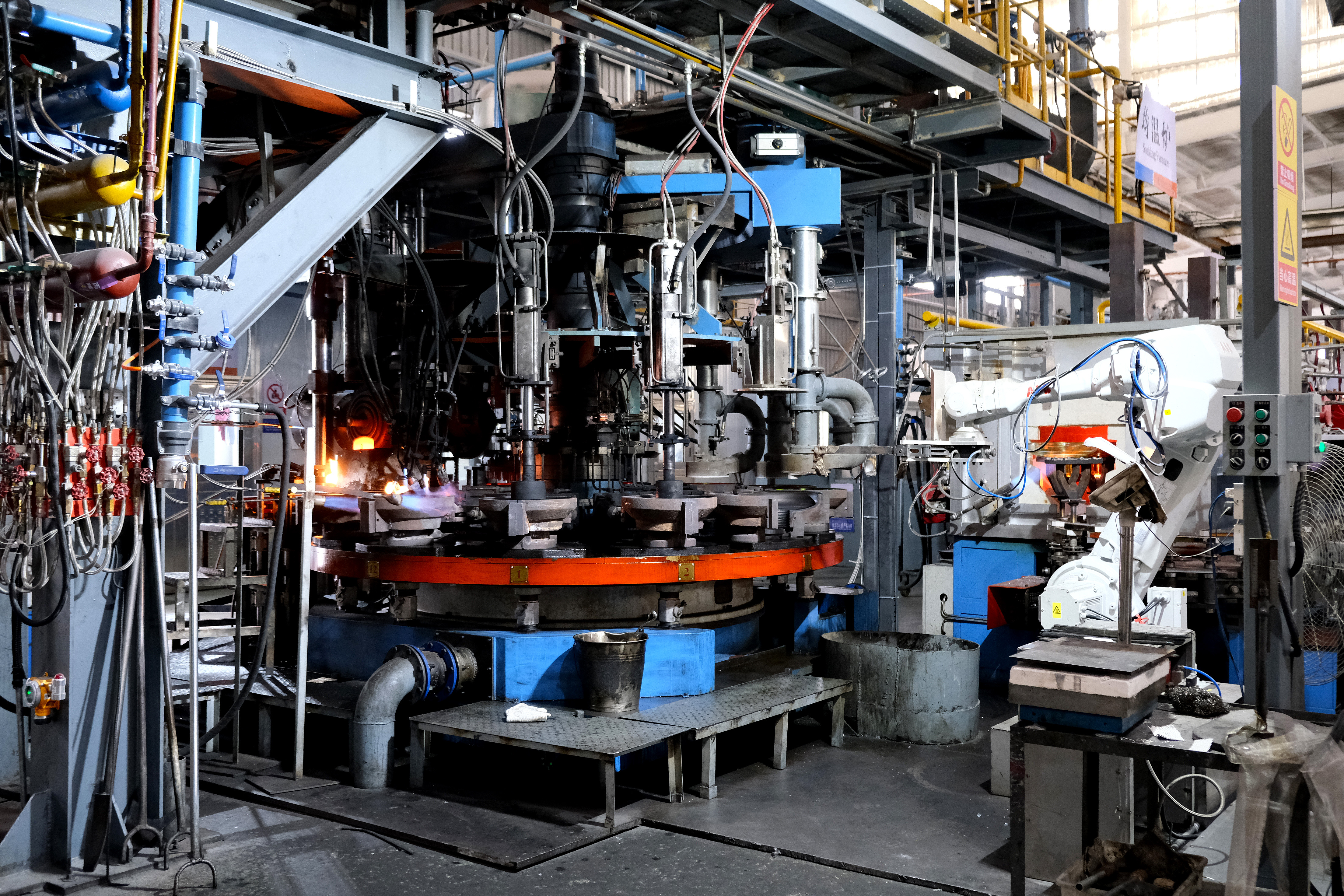
- Validate the manufacturer's test capability. Confirm that testing is performed in-house, that pre-shipment testing covers 100% of units, and that third-party inspection such as SGS is accepted.
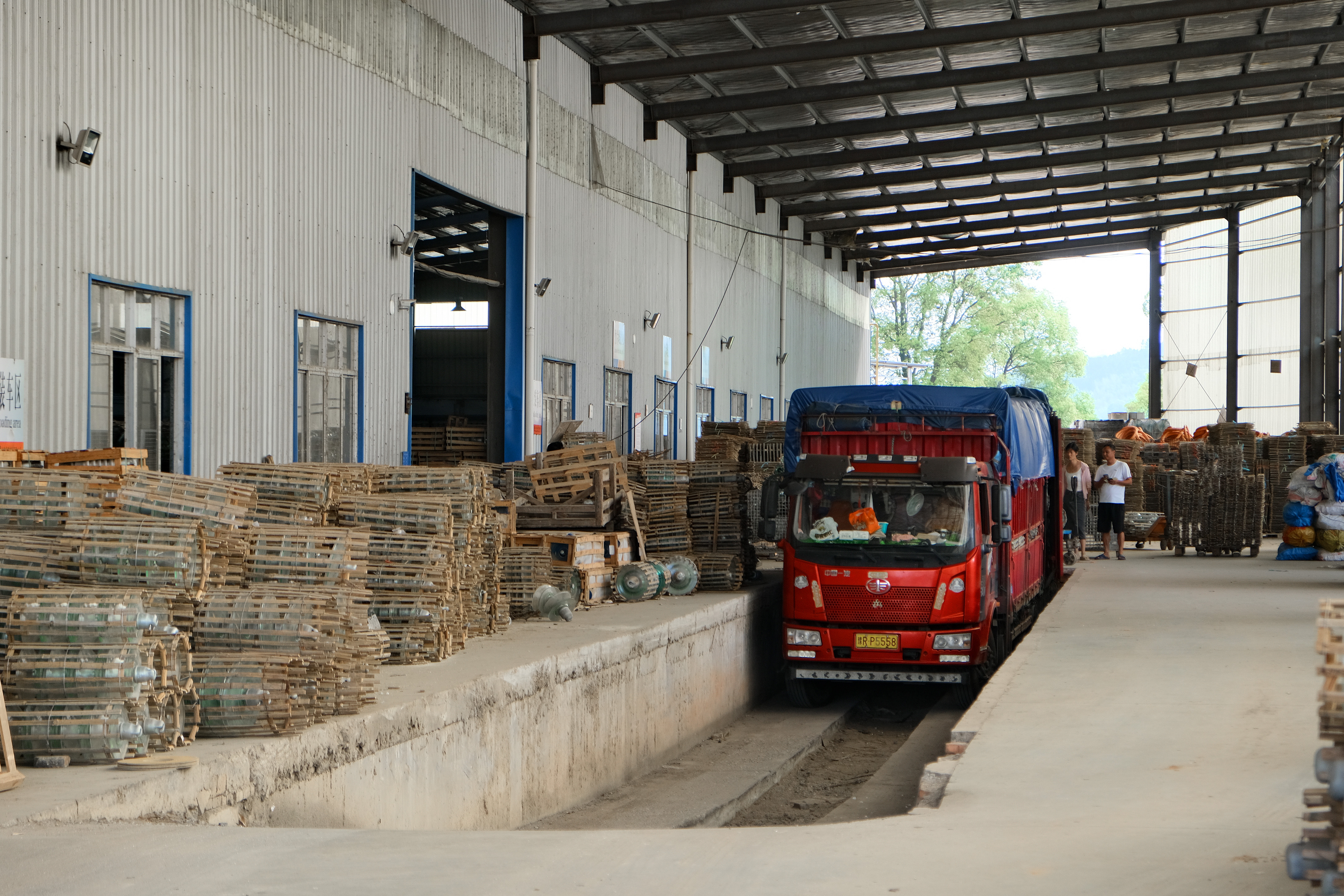
- Fix commercial terms against the project schedule. Minimum order quantity is 50 units, standard lead time is 15–35 days, and OEM or ODM customization is available for voltage and logo where the project requires it.
- Verify shipment documents and post-delivery support. HS code 8546.20 on the invoice and packing list, loading protection, and after-sales terms covering online technical support and replacement for defective products.
Use Cases: Applying Compliance Checks to Real Project Conditions
Coastal and monsoon distribution — Sri Lanka, Egypt and Ukraine
A three-year programme running to 2026 covered 60,000 units in total: Sri Lanka 10,000 pcs, Egypt 40,000 pcs and Ukraine 10,000 pcs. The scope covered coastal and inland tropical distribution line insulation and monsoon region grid reinforcement, supplied by national power utilities and distribution EPC contractors. Reported results against the previous composite batch were a 60% reduction in salt fog flashover incidents, zero UV degradation, a 50% reduction in maintenance cost, and a replacement rate under 2% over the three-year period.
High-voltage transmission and railway electrification
Transmission line construction, substation upgrade, and grid modernization and expansion projects call for insulators that provide electrical insulation between the live conductor and the grounded support, mechanical load bearing, and corona suppression. Applications of this type are common in countries including China, Sri Lanka, Egypt, Indonesia and Germany, and span power transmission and distribution, substation construction, railway electrification and industrial power grids. The substation porcelain insulator segment is projected to grow at a 7.2% CAGR through 2031, driven partly by gas insulated switchgear upgrades (Mordor Intelligence).
Severe corrosion and pollution environments
Under severe corrosion service conditions, using a zinc sleeve can significantly slow rusting and extend the service life of the insulator string. In heavy pollution or coastal service, the anti-pollution creepage profile — not the rated voltage — is usually the parameter that determines whether the compliance file is accepted for the site.
Comparison Table
| Standard / code | Primary reference market | What it covers | Documentation to request |
|---|---|---|---|
| IEC 60383-1:2023 | Global (IEC-adopting markets) | Ceramic or glass insulator units for AC overhead power lines above 1000 V | Type test report and routine test records |
| IEC 60305 | Global transmission projects | String insulator units for overhead lines, including specified mechanical load | SML verification and coupling dimensions |
| IEC 60672 | Global | Ceramic and glass insulating materials, including glaze | Material and glaze quality inspection records |
| ANSI C29.1 | USA / North America | Test methods for electrical power insulators | Test method alignment statement for US-bound orders |
| GB/T 1001.1 | China | Ceramic insulators for AC systems | Domestic project acceptance records |
| HS 8546.20 | Customs (global) | Classification of porcelain electrical insulators | Correct HS code on commercial invoice and packing list |
| Insulator type | Typical duty | Core compliance data points |
|---|---|---|
| Pin — P-11-Y | 11 kV overhead distribution, rural electrification | 240 mm creepage distance, 50 kV power frequency wet withstand, 90 kV lightning impulse withstand, 10 kN rated mechanical load, hot-dip galvanized forged steel pin |
| Shackle / butterfly — ED-2B | Low-voltage overhead distribution, anchoring and strain joints | 13.5 kN mechanical tensile strength, 13 kV wet withstand, 25 kV dry withstand, 90 mm max diameter, 76 mm total height |
| Line post | Distribution and sub-transmission cantilever support | Cantilever strength test data, shed profile and creepage distance per pollution class I–IV, base fitting galvanizing |
| Suspension (disc) | Transmission strings and substation applications | SML 40–550 kN, IEC 60305 coupling dimensions, puncture withstand ≥1.2× dry flashover, cement joint sealing |
FAQ
Which standards should I verify before importing porcelain insulators from China?
Check four documents against four standards. IEC 60383-1:2023 is the current international standard for ceramic or glass insulator units used on AC overhead power lines with nominal voltages above 1000 V. IEC 60305 covers string insulator units for overhead lines and the specified mechanical load concept. IEC 60672 covers ceramic and glass insulating materials and is the reference for glaze quality. For North America, ANSI C29.1 specifies test methods for electrical power insulators. On the customs side, porcelain electrical insulators are classified under HS code 8546.20, so the code on the commercial invoice and packing list should match the goods. A supplier package should contain type test reports, routine test records and a statement of crack detection coverage — 100% dye penetration testing on every unit rather than batch sampling is the stronger position.
Do compliance requirements differ between the USA, EU, Asia, Africa and South America?
What changes is not the existence of standards but which framework the project names and who witnesses the tests. North American tenders commonly reference ANSI C29 series test methods, while tenders in the EU, Asia, Africa and South America more often reference IEC-based frameworks such as IEC 60383-1, IEC 60305, IEC 60672 and IEC 60815 for pollution class. Local content rules are the other variable: India's DPIIT procurement policy requires 50% local content for porcelain insulators to be classified under Class I for government contracts. Buyers should confirm in writing which standard the specification names, what documentation format is required, and which witness or third-party inspection point applies before the purchase order is issued.
How do I identify a high voltage porcelain insulator manufacturer for transmission projects?
Ask for evidence mapped to transmission duty rather than general capability claims. The relevant items are type test reports against IEC 60305 and IEC 60383-1, specified mechanical load data in the SML 40–550 kN range, puncture withstand voltage of at least 1.2× dry flashover, 100% dye penetration crack detection rather than sampling, cement joint sealing process details, and field records from projects in comparable climate and pollution conditions. Jiangxi QOCI Electric is a participating unit of the Insulator Standard Committee, applies 100% pre-shipment testing with third-party inspection (SGS), and holds monthly capacity of 750,000 units with a lead time of 15–35 days — relevant when a transmission package has a fixed energization date.
Can I validate porcelain insulators with samples before placing a bulk order?
Yes. QOCI Electric operates OEM and ODM production with a minimum order quantity of 50 units, and customization is available for voltage and logo. Buyers evaluating a new type should use the sample stage to verify creepage distance, shed profile, glaze uniformity, fitting dimensions and the cement joint — the parameters that most often drive acceptance at site and the ones that are expensive to correct once a container has shipped.
What lead time and after-sales terms should I expect from a Chinese porcelain insulator supplier?
QOCI Electric quotes a lead time of 15–35 days depending on specification and order volume, supported by monthly capacity of 750,000 units and annual output of 9,000,000 units. After-sales support covers online technical support and replacement for defective products. For project buyers, the practical next step is to send the destination standard, the pollution class, the mechanical load requirement and the required documentation list together, so the quotation and the test plan can be confirmed in the same round. The product catalogue is available here: QOCI Electric product catalogue.
Conclusion: Compliance Is a Document, Not a Claim
Porcelain insulator compliance is decided well before the container is loaded. Projects that avoid rejection are the ones where the destination standard, the test documentation and the acceptance criteria were agreed at quotation stage, and where the product type was matched to its duty — pin and shackle insulators for low-voltage distribution, line post insulators for cantilever support, suspension discs for tension strings.
Jiangxi QOCI Electric Co., Ltd. manufactures porcelain and glass insulators from its base in Luxi Industrial Park, Pingxiang City, Jiangxi Province, supplies power grid projects in more than 40 countries and regions, and participates as a unit of the Insulator Standard Committee. Export buyers can request the standard-specific test plan and documentation set before committing to a purchase order.
Next step for project buyers
Send the destination standard, pollution class, mechanical load requirement and required documentation list, and QOCI Electric will return a matched test plan and quotation. Minimum order quantity is 50 units; lead time is 15–35 days.
Catalogue: QOCI Catalogue — Insulators (PDF)
Website: www.quanxinelectric.com
Email: admin@qocielectric.com
Tel: +86 079-9761-6589
WhatsApp: +86 199-7997-1591
Address: No. 6, Electric Porcelain Industrial Park, Luxi Industrial Zone, Pingxiang, Jiangxi, China
Have Questions or Need More Details?
Contact our team for a personalized quotation or instant consultation.
Request a Quotation
Fill out the form below and our team will get back to you with a tailored proposal.
WhatsApp Direct Chat
Prefer to chat in real-time? Message us on WhatsApp for instant assistance & quick answers.
- Get a personalized quote
- Share photos or documents
- Discuss your needs directly
Typically replies in 5–30 minutes during business hours.