
Long-Term Porcelain Insulator Supply: FAQ on Lead Times, Customization, and Support
A long-term porcelain insulator supply agreement is judged on three practical questions: whether the manufacturer can hold capacity across several project phases, whether a customized specification can be repeated without a new qualification cycle, and whether the technical conversation continues after the first shipment leaves the loading area. For utility buyers in the research and evaluation stage, those questions are answered with evidence, not with assurances.
Jiangxi QOCI Electric Co., Ltd. is a Chinese manufacturer of porcelain and glass insulators established in December 2002 in Pingxiang, Jiangxi Province. The figures it publishes are the ones a buyer needs in order to test those three questions: 9,000,000 units of annual output, 750,000 units of monthly capacity, OEM and ODM production, a documented 15–35 day lead time, a minimum order quantity of 50 units, and after-sales support that combines online technical assistance with replacement of defective products. This FAQ sets out each answer together with the limit of what it proves.
- Annual output: 9,000,000 units | Monthly capacity: 750,000 units
- Minimum order quantity: 50 units | Lead time: 15–35 days
- Production modes: OEM, ODM | Customization scope: voltage, logo
- Quality control: 100% pre-shipment test, third-party inspection (SGS)
- After-sales: online technical support, replacement for defective products
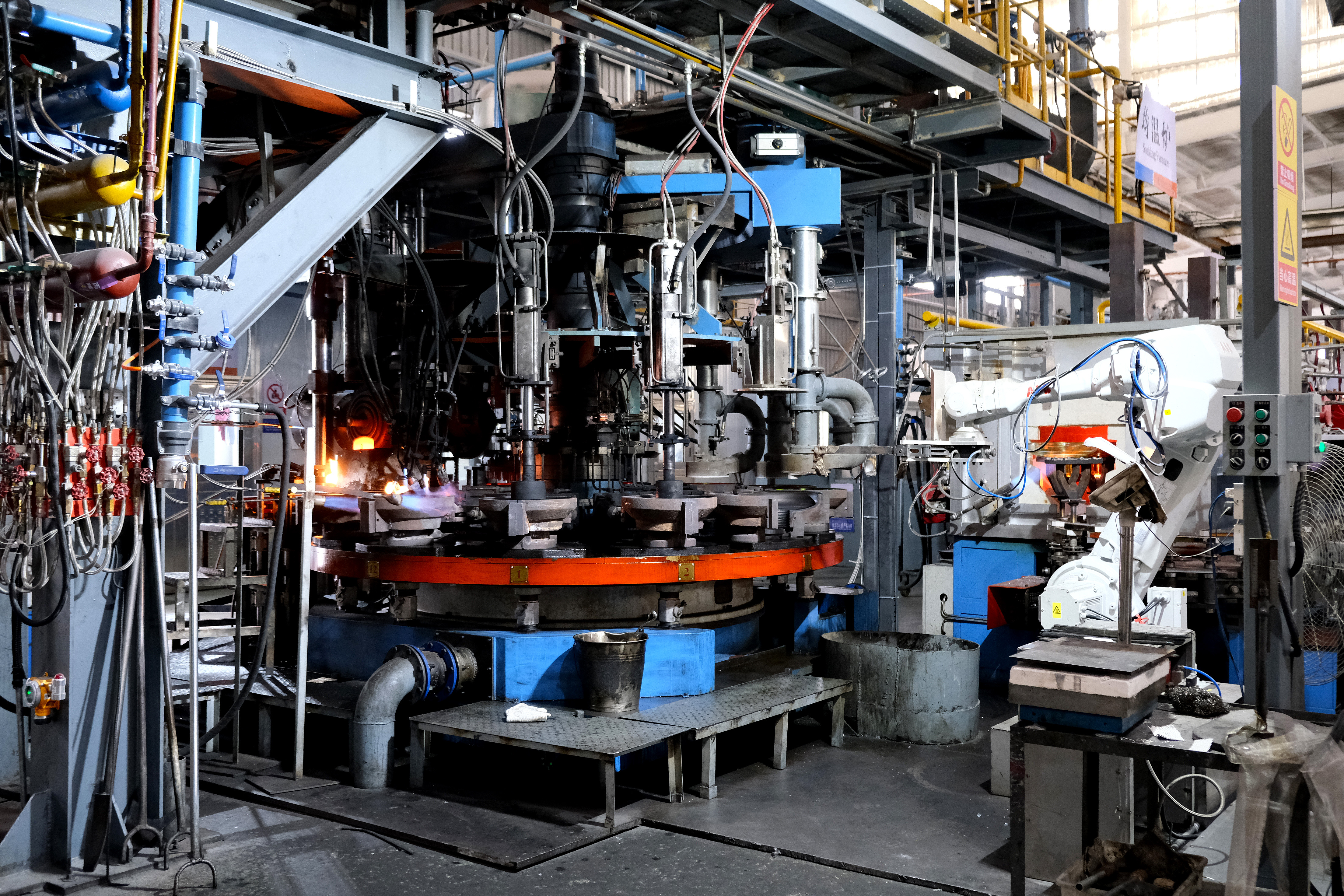
The Problem: Procurement Is Designed for One Order, Not for a Multi-Year Programme
Insulator procurement is usually built around a single project: one specification, one tender, one delivery. Grid programmes do not work that way. A transmission or distribution programme is approved in phases, so the same bill of materials is ordered again one, two or three years later — often against a revised drawing and always against the same line conditions.
Three problems follow, and each of them is a supply question rather than a price question.
The first is re-qualification. Every new supplier means new type-test reports, new sample approvals and a new internal deviation file. The buyer pays that cost in engineering hours rather than in unit price, and it recurs every time the supply base changes.
The second is specification drift. Two manufacturers can deliver a porcelain insulator carrying the same nominal rating while differing in shed profile, creepage distance and cement joint sealing. In a string assembly those units work together mechanically and electrically, so an invisible change between orders affects the behaviour of the whole assembly.
The third is silent degradation. A porcelain unit can lose its electrical function without any visible external change. Detection depends on live-line testing — voltage gradient measurement or spark gap detection — carried out every three to five years rather than on visual inspection. A supplier who supplies once and then disappears leaves the buyer without the technical baseline needed to interpret those test results.
Add the operating envelope: outdoor exposure, high humidity, industrial pollution and a temperature range from −40 °C to +50 °C. Products in this category run in 24/7 continuous passive insulation mode with no active components and zero power consumption, which means there is no scheduled intervention to hide behind. The unit either holds its specification for twenty to twenty-five years of service, or it does not.
Industry Background: A Growing Market with a Standards Backbone
Two sets of facts frame the discussion. The first is demand. The global porcelain insulator market was valued at approximately USD 8.27 billion in 2023 and is projected to reach USD 15.04 billion by 2033 (Spherical Insights). Asia-Pacific dominated that market with a revenue share of 49.4% in 2025 (Mordor Intelligence), and China was the world's largest exporter of electrical insulators in 2024, accounting for 31.4% of total global exports at approximately USD 898 million (OEC). The primary HS code for porcelain electrical insulators is 8546.20 — the line that appears on the customs documents of every repeat shipment.
Where that demand sits matters for supply planning. Overhead transmission lines account for approximately 62.1% of global porcelain insulator revenue, while the substation porcelain insulator segment is projected to grow at a CAGR of 7.2% through 2031 on the back of gas insulated switchgear upgrades (Mordor Intelligence). Most long-term agreements therefore cover a repeating line-hardware part number, and the value of the relationship is measured in whether that part number stays identical.
The second set of facts is standards. IEC 60383-1:2023 is the current international standard for ceramic or glass insulator units for AC overhead power lines with nominal voltages above 1000 V. In North America, ANSI C29.1 specifies the test methods applied to wet-process porcelain types. Transmission string units are commonly specified to IEC 60305, with IEC 60672 covering ceramic insulating materials and GB/T 1001.1 the corresponding Chinese series. Regional procurement rules can sit on top of the technical standards: India's DPIIT procurement policy, for example, requires 50% local content for porcelain insulators to be classified under Class I for government contracts, which makes documentation of origin part of the supplier evaluation rather than an afterthought.
The Supply Solution: Capacity, Customization, and Support in Detail
Stability signals a buyer can verify
Jiangxi QOCI Electric Co., Ltd. manufactures AC and DC insulators — porcelain insulators, glass insulators, line post porcelain insulators, porcelain pin insulators, shackle insulators and AC disc-shaped suspension porcelain insulators — from a base in Luxi Industrial Park, Pingxiang City, Jiangxi Province. The company was established in December 2002 with a registered capital of 5.08 billion yuan, and it operates as a national high-tech enterprise and a participating unit of the Insulator Standard Committee.
For a buyer signing a multi-year agreement, four figures carry more weight than any brochure claim:
- Founding year, 2002 — the company has manufactured insulators across more than two decades of grid construction cycles, including the cycles in which its current product range was qualified.
- Registered capital, 5.08 billion yuan — a capital base standing behind the warranty and replacement obligations written into a supply contract.
- Factory area, 35,373 m² — a fixed asset that cannot be relocated between orders.
- Headcount, 138 employees including 38 engineers — a technical team able to answer a specification question directly rather than routing it to a third party.
Those signals are reinforced by the customer base. QOCI Electric products are used in power grid construction projects of State Grid Corporation of China and China Southern Power Grid, and in grids in more than 40 countries and regions including Europe and the Middle East. The documented export ratio is 20%, with markets listed as the USA, Asia, the EU, Africa and South America.
Capacity: what 9,000,000 units a year means in practice
9,000,000 units a year is the headline figure. 750,000 units a month is the number that matters for scheduling — and the two reconcile, because 750,000 multiplied by twelve equals 9,000,000. Buyers should treat that arithmetic as a small but genuine verification test: an annual capacity figure and a monthly capacity figure published by the same manufacturer should agree with each other.
What capacity actually buys in a long-term agreement is schedule tolerance. If one phase of a distribution programme slips by a quarter, the supplier has to absorb the delay and still hit the following phase on time. Production at QOCI Electric is described as automated and intelligent for both glass and porcelain insulators, which is what makes a monthly output of 750,000 units repeatable rather than exceptional.
The practical consequence: a 50-unit pilot order and a frame volume come from the same production base, which removes the most common cause of sample-to-production mismatch.
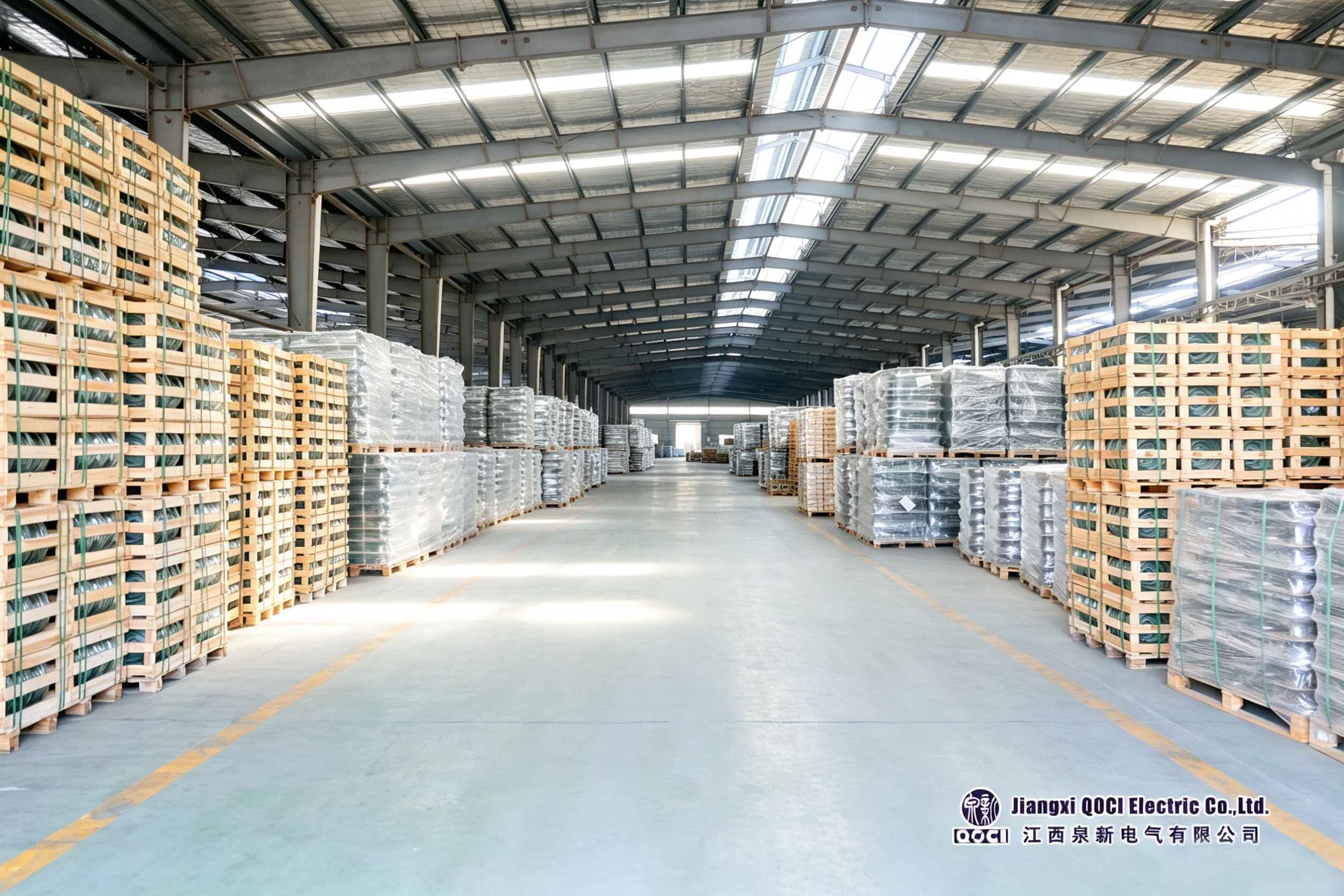
Customization: what OEM and ODM cover, and where the boundary is
QOCI Electric operates both OEM and ODM production modes. The documented customization scope is voltage and logo — the electrical class of the unit and the marking that appears on it.
That is a deliberately narrow statement, and buyers should read it as such. Voltage and logo customization covers most utility and distributor requirements: a 10 kV or 11 kV distribution unit supplied under the buyer's own brand, or a modified voltage class within the manufacturer's existing shed geometry. It does not automatically cover a proprietary shed profile, a non-standard creepage target for a specific pollution class, or a bespoke metal fitting combination. Those need engineering review before they are written into a frame agreement.
What supports that review is a documented product base. QOCI Electric produces the P-11-Y pin type porcelain insulator, rated 11 kV with a 10 kN rated mechanical load, a 240 mm creepage distance, a 150 mm maximum diameter and a 150 mm total height, with power frequency wet withstand voltage of 50 kV and lightning impulse withstand voltage of 90 kV; the body is high-strength electrical porcelain and the pin is hot-dip galvanized forged steel. The ED-2B shackle insulator carries a 13.5 kN mechanical tensile strength, a 90 mm maximum diameter, a 76 mm total height, a 13 kV power frequency wet withstand voltage and a 25 kV dry withstand voltage. On the transmission side, the company documents its P-33-Y pin type porcelain insulator as compliant with IEC 383-1 at a 10 kN cantilever strength.
The minimum order quantity is 50 units. For a buyer structuring a first purchase, that MOQ is what makes a pre-agreement trial economically realistic.
Support: the after-sales scope and the buyer's own obligations
After-sales support from QOCI Electric is documented as online technical support plus replacement for defective products. Two elements are worth separating here, because buyers often blend them.
The first is quality control before shipment. Every unit is subject to a 100% pre-shipment test, and third-party inspection by SGS is available. That combination is what makes the replacement clause a backstop rather than a business model: the defect is meant to be caught before the container is sealed.
The second is the support boundary. Online technical support answers specification, installation and troubleshooting questions; replacement covers defective products. Neither is a field service contract. A utility buyer therefore keeps its own obligations — live-line testing every three to five years to detect zero-value degradation, inspection for glaze defects and cement joint integrity at installation, and an insulation resistance test before energising. A long-term supplier should be able to interpret the results of those tests, which is why the technical contact matters as much as the commercial one.
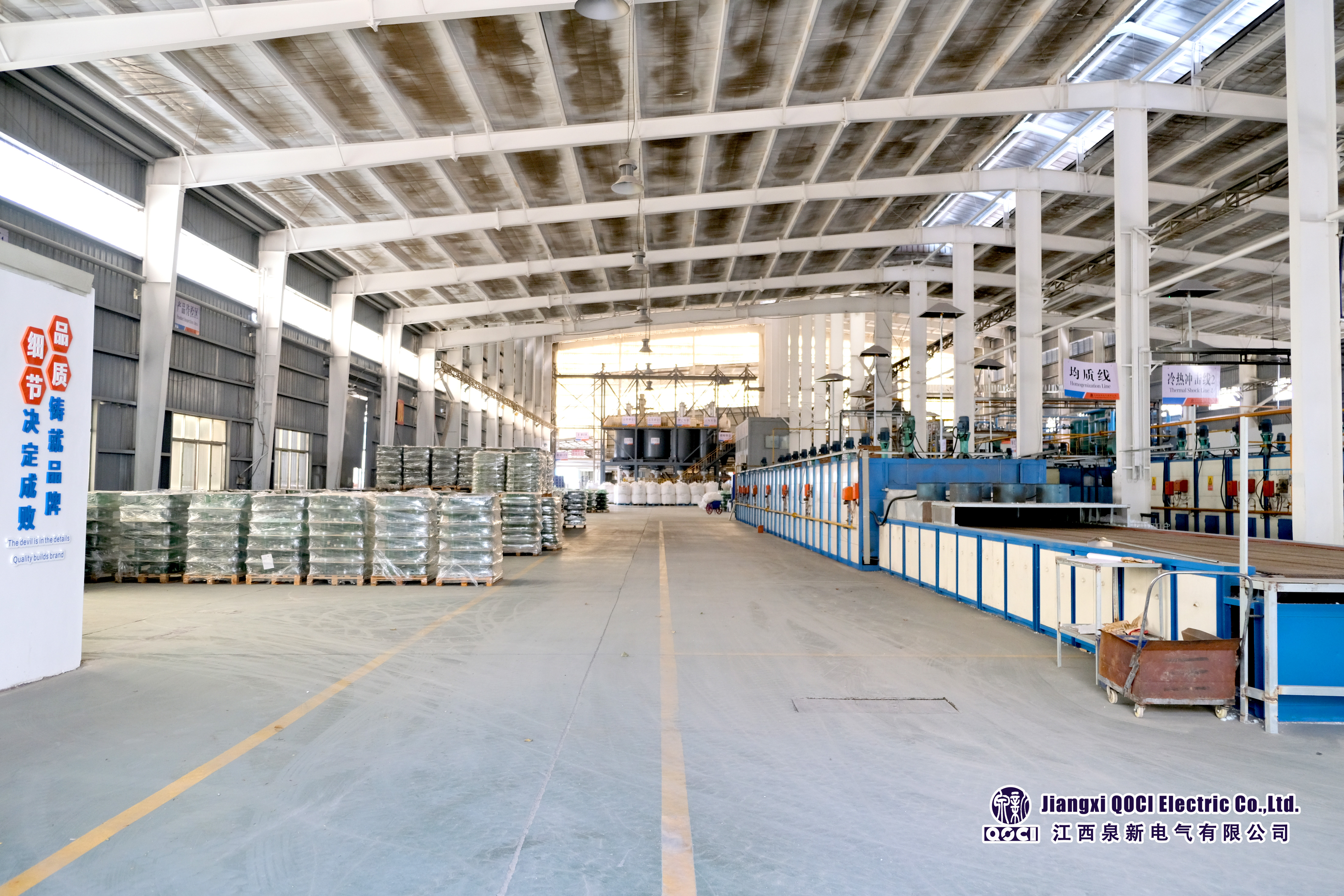
Step by Step: Opening a Specification Discussion and Placing a Sample Order
The sequence below is the shortest reliable route from a project requirement to a repeatable supply agreement. Each step produces a document the next step depends on.
- Fix the operating envelope. Before contacting any supplier, record the voltage class, the application (overhead line, substation, railway electrification), the site pollution class under IEC 60815 (I–IV), the required creepage distance, the specified mechanical load within the SML 40–550 kN range, and the ambient conditions. QOCI Electric products are designed for outdoor exposure in high humidity and industrial pollution across a −40 °C to +50 °C range; those conditions are the input to the specification, not an outcome of it.
- Assemble the documentation package. Reference the standard that governs the order — IEC 60383-1:2023 for AC overhead line units above 1000 V, ANSI C29.1 for North American test methods, or IEC 60305 for string insulator units — and attach drawings, a model reference such as P-11-Y, ED-2B or P-33-Y, and the required puncture withstand voltage, typically specified at no less than 1.2 times dry flashover.
- Open the technical conversation on a written channel. QOCI Electric's published contact is Samantha Chen, reachable by email at admin@qocielectric.com, by telephone on +86 079-9761-6589, or by WhatsApp on +86 199-7997-1591. Written channels matter at this stage because the specification discussion becomes the record against which sample and production are later checked.
- Confirm the customization route. Ask explicitly whether the requirement sits inside the documented OEM/ODM scope — voltage and logo — or needs engineering review. Getting that answer in writing before the sample stage prevents a redesign after tooling has been set.
- Place a sample or pilot order. With a minimum order quantity of 50 units, a trial is realistic at pilot scale. Test the sample against the published parameter set rather than against a photograph: for a P-11-Y unit that means 11 kV rated voltage, 10 kN rated mechanical load, 240 mm creepage distance, 50 kV power frequency wet withstand and 90 kV lightning impulse withstand.
- Agree the inspection protocol. Confirm that the 100% pre-shipment test applies to the specific order and whether third-party inspection by SGS will be used. For porcelain, dye penetration testing on individual units is the check that exposes internal cracks, and it should be specified rather than assumed, because coverage varies between 100% individual testing and batch sampling.
- Fix the delivery schedule against capacity. The documented lead time is 15–35 days, with monthly capacity of 750,000 units behind it. Confirm the shipment window against your commissioning milestones, and confirm the export documentation that accompanies the HS 8546.20 line on the commercial invoice.
- Define the after-sales loop. Agree who is contacted, what evidence a defective-product claim requires, and how replacement is handled — then map your own live-line testing cadence and installation inspection onto that loop so the two schedules do not conflict.
Use Cases: Five Project Scenarios Where Continuity Matters
1. Transmission line construction. Overhead transmission work is where a repeating part number carries the highest mechanical consequence. The insulator provides electrical insulation between the live conductor and the grounded support, bears mechanical load in suspension and tension, and suppresses corona; matched fittings such as corona rings, suspension and tension clamps, arcing horns, grounding hardware and vibration dampers are specified alongside the unit. A change of unit supplier mid-programme means re-checking every one of those interfaces.
2. Distribution and rural electrification. The P-11-Y pin insulator, rated 11 kV with a 10 kN mechanical load and 240 mm creepage distance, and the ED-2B shackle insulator at 13.5 kN tensile strength are the two units that repeat most often in distribution and rural overhead work. They are installed on wooden or steel cross-arms and galvanized brackets and are exposed continuously, so batch consistency between phases directly affects line reliability.
3. Substation upgrade and grid modernisation. The substation segment is projected to grow at 7.2% CAGR through 2031, and substation work is where lead time risk is most visible: post insulators sit on the critical path of an outage window, and a late delivery moves the energisation date rather than an intermediate milestone.
4. Railway electrification. Railway traction projects share the outdoor exposure profile of transmission work but compress the installation window around possession times. A supplier that can hold a 15–35 day production lead time against a fixed possession schedule is worth more than a marginally cheaper one that cannot.
5. Coastal and monsoon distribution programmes. QOCI Electric has documented a three-year programme to 2026 covering Sri Lanka, Egypt and Ukraine — 60,000 pieces in total, split 10,000 in Sri Lanka, 40,000 in Egypt and 10,000 in Ukraine — for coastal and inland tropical distribution line insulation and monsoon region grid reinforcement. Against the previous composite batch, the installation recorded a 60% reduction in salt fog flashover incidents, zero UV degradation, a 50% reduction in maintenance cost and a replacement rate under 2% over the three-year period, with a 20% lower initial cost than the composite alternative it replaced.
Comparison: Product Specifications and Supply Parameters Side by Side
Two standard porcelain units under one supply agreement
| Parameter | ED-2B shackle insulator | P-11-Y pin insulator |
|---|---|---|
| Insulator type | Shackle / butterfly / low-voltage distribution insulator | Pin type / distribution line insulator |
| Rated voltage | Low-voltage distribution | 11 kV |
| Mechanical rating | 13.5 kN mechanical tensile strength | 10 kN rated mechanical load |
| Maximum diameter | 90 mm | 150 mm |
| Total height | 76 mm | 150 mm |
| Creepage distance | Not stated in published data | 240 mm |
| Power frequency wet withstand voltage | 13 kV | 50 kV |
| Power frequency dry withstand voltage | 25 kV | Not stated in published data |
| Lightning impulse withstand voltage | Not stated in published data | 90 kV |
| Body material | High-strength electrical porcelain | High-strength electrical porcelain |
| Metal parts | Galvanized bracket for line anchoring | Hot-dip galvanized forged steel pin |
| Typical application | Low-voltage overhead distribution, rural electrification | 10 kV overhead distribution, rural electrification, grid construction |
Supply programme parameters
| Supply parameter | Documented value |
|---|---|
| Annual output | 9,000,000 units |
| Monthly capacity | 750,000 units |
| Minimum order quantity | 50 units |
| Lead time | 15–35 days |
| Production modes | OEM, ODM |
| Customization scope | Voltage, logo |
| Quality control | 100% pre-shipment test; third-party inspection (SGS) |
| After-sales | Online technical support; replacement for defective products |
| Export markets | EU, US, Middle East, Asia, Africa, South America |
| Export ratio | 20% |
| Established | December 2002 |
| Registered capital | 5.08 billion yuan |
| Factory area | 35,373 m² |
| Employees | 138, including 38 engineers |
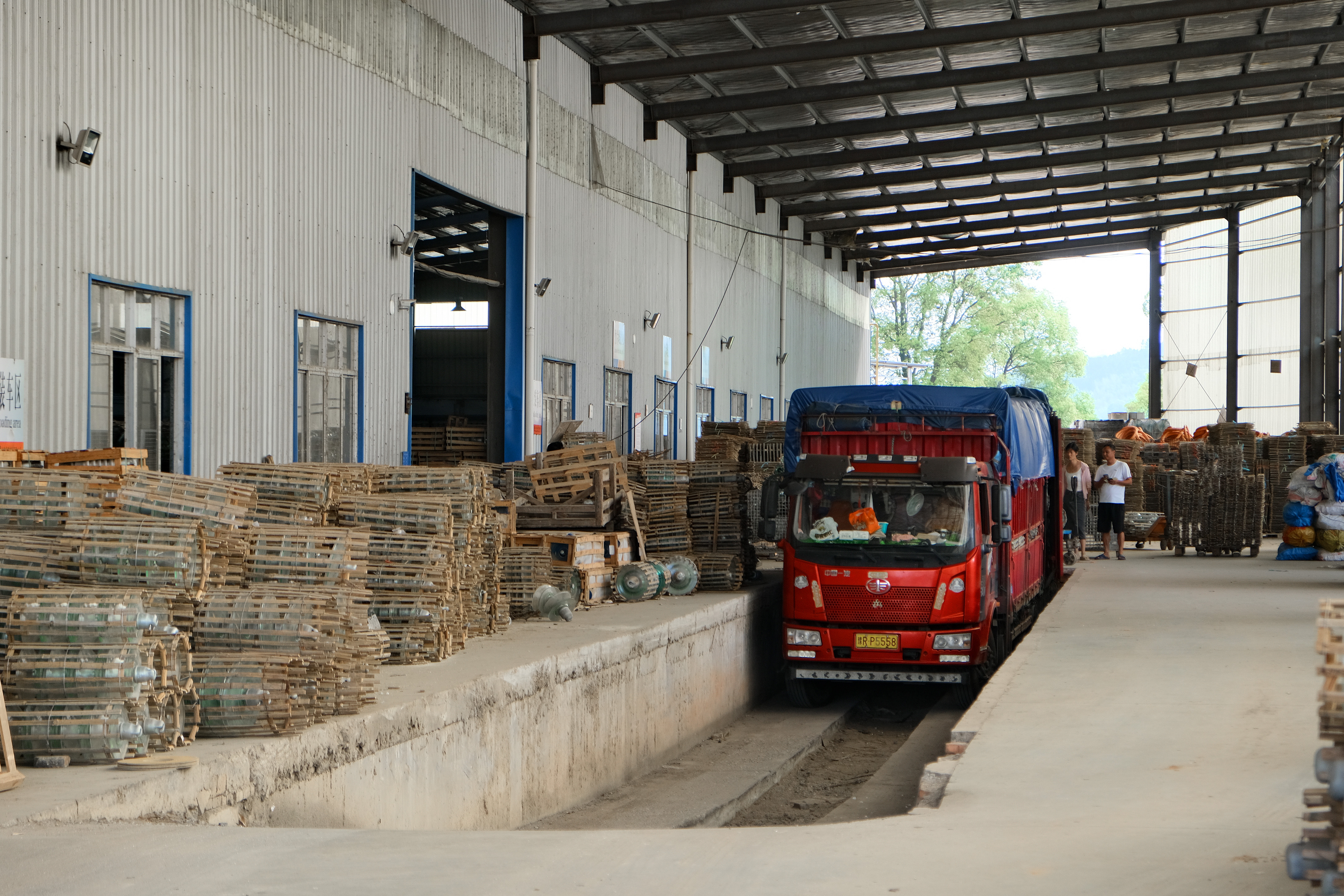
FAQ: Lead Times, Customization, and Support
IEC 60383-1:2023 is the current international standard for ceramic or glass insulator units for AC overhead power lines with nominal voltages above 1000 V. North American orders reference ANSI C29.1 test methods, and transmission string units are commonly specified to IEC 60305, with IEC 60672 covering ceramic insulating materials. Two further layers matter for long-term supply: process evidence — dye penetration testing to expose internal cracks, porosity and thermal cycling tests — and shipment-level evidence. QOCI Electric documents 100% pre-shipment testing plus third-party inspection by SGS, documents its P-33-Y pin type porcelain insulator as compliant with IEC 383-1 at a 10 kN cantilever strength, and is a participating unit of the Insulator Standard Committee.
At QOCI Electric, yes — and the two come from the same production base. Annual output is 9,000,000 units and monthly capacity is 750,000 units, from a 35,373 m² factory staffed by 138 employees including 38 engineers. The minimum order quantity is 50 units and the lead time is 15–35 days, so a pilot can be placed without a frame agreement, and the unit approved at sample stage is the unit shipped in later phases. The company was established in December 2002 with a registered capital of 5.08 billion yuan, which is the stability signal that matters when the agreement outlives several budget cycles.
Unit price is only one component, and the buyer controls most of the others: the specification (mechanical load, creepage distance matched to the site pollution class, puncture withstand voltage), the customization scope under OEM/ODM (voltage and logo), the inspection regime, and the order pattern against a 15–35 day lead time. The clearest way to compare suppliers is total cost rather than unit cost. In the documented QOCI Electric programme covering Sri Lanka, Egypt and Ukraine — 60,000 pieces over three years to 2026 — porcelain delivered a 20% lower initial cost than the composite alternative it replaced, alongside a 50% reduction in maintenance cost and a replacement rate under 2% across the period. Buyers should request the same structure of evidence for their own project.
Send the operating envelope and the standard reference to admin@qocielectric.com, or contact Samantha Chen by telephone on +86 079-9761-6589 or by WhatsApp on +86 199-7997-1591. Include the voltage class, application, site pollution class, required creepage distance, mechanical load and any logo requirement, so that the OEM/ODM scope can be confirmed in the first reply. With a minimum order quantity of 50 units, a sample or pilot order can be placed before any frame agreement exists, and the sample can be checked against published parameters such as 11 kV rated voltage, 10 kN rated mechanical load and 240 mm creepage distance on a P-11-Y unit.
The documented lead time is 15–35 days, supported by monthly capacity of 750,000 units and annual output of 9,000,000 units. It is protected by capacity rather than by a promise: a monthly figure that reconciles with the annual figure leaves room for a schedule shift in one project phase without displacing the next. Overseas shipments add transport and customs time on top of production time, and the shipment carries HS code 8546.20. To confirm a lead time against a specific commissioning date, or to request a quotation and sample allocation, write to admin@qocielectric.com or message +86 199-7997-1591 on WhatsApp.
Conclusion
A long-term porcelain insulator supply agreement is a specification problem, a capacity problem and a communication problem in that order. The specification has to be fixed against IEC 60383-1:2023, IEC 60305 or ANSI C29.1 and matched to the site pollution class. The capacity has to be large enough and consistent enough to absorb a slip in one phase without moving the next — 9,000,000 units a year and 750,000 units a month from a 35,373 m² factory, with a minimum order quantity of 50 units and a 15–35 day lead time. The communication has to survive the first container: online technical support, replacement for defective products, and a contact who can interpret a live-line test result three years later.
Jiangxi QOCI Electric Co., Ltd. answers those three questions with published figures rather than adjectives — established in December 2002, registered capital of 5.08 billion yuan, 138 employees including 38 engineers, OEM and ODM production covering voltage and logo customization, 100% pre-shipment testing with SGS third-party inspection, and a documented record in coastal and monsoon distribution programmes across Sri Lanka, Egypt and Ukraine.
Next Step: Sample, Specification Review, or Quotation
Send your voltage class, application, pollution class, creepage distance, mechanical load and logo requirement, and QOCI Electric will confirm the customization route and a production window for your project phase.
- Contact: Samantha Chen
- Email:admin@qocielectric.com
- Telephone: +86 079-9761-6589
- WhatsApp:+86 199-7997-1591
- Address: No. 6, Electric Porcelain Industrial Park, Luxi Industrial Zone, Pingxiang, Jiangxi, China
- Website:www.quanxinelectric.com
- Product catalogue:Download the QOCI insulator catalogue (PDF)
Have Questions or Need More Details?
Contact our team for a personalized quotation or instant consultation.
Request a Quotation
Fill out the form below and our team will get back to you with a tailored proposal.
WhatsApp Direct Chat
Prefer to chat in real-time? Message us on WhatsApp for instant assistance & quick answers.
- Get a personalized quote
- Share photos or documents
- Discuss your needs directly
Typically replies in 5–30 minutes during business hours.