
Rural Electrification Stalls? Choosing P-11-Y and ED-2B Porcelain Insulators
Rural overhead distribution projects rarely stall because of poles, conductors, or transformers. They stall at the insulator line item - a low-voltage shackle insulator written into an 11 kV position, a pin insulator whose creepage distance is too short for the local pollution class, or a shipment that arrives after the stringing crew has already moved to the next section. Every one of these failures is preventable, and none of them is solved by ordering more units.
Two porcelain insulators carry most of the rural overhead workload: the P-11-Y pin insulator, rated 11 kV with a 10 kN mechanical load, and the ED-2B shackle (butterfly) insulator for low-voltage distribution. This article compares them specification by specification, sets out the selection and verification rules that keep a rural program on schedule, and shows how Jiangxi QOCI Electric Co., Ltd. - a national high-tech enterprise and a participating unit of the Insulator Standard Committee - produces both types on automated and intelligent porcelain lines with an annual capacity of 9,000,000 units.
Why Rural Electrification Projects Stall at the Insulator Stage
Insulator-driven delays are not random. On rural overhead projects they trace back to five specific mismatches between what the line requires and what the bill of materials specifies.
- Voltage class mismatch. The ED-2B carries a power frequency wet withstand voltage of 13 kV and a dry withstand voltage of 25 kV. An 11 kV distribution position needs the larger margin of a pin insulator such as the P-11-Y, which is rated 11 kV with a 50 kV power frequency wet withstand voltage and a 90 kV lightning impulse withstand voltage. Treating the two as interchangeable trades a small unit-cost saving for a line that cannot be commissioned as designed.
- Mechanical rating mismatch. The P-11-Y is rated for a 10 kN mechanical load; the ED-2B provides 13.5 kN mechanical tensile strength. Selecting on the lower figure, or on a unit whose fittings do not match the structure hardware, produces excess deflection and hardware that will not assemble cleanly in the field.
- Creepage and pollution mismatch. Creepage distance has to be matched to the site pollution class; IEC 60815 defines pollution classes I to IV. The P-11-Y provides 240 mm of creepage distance for its 11 kV application. Where a standard profile is installed in a coastal salt-fog, industrial, or otherwise heavy-contamination corridor, the resulting leakage path shows up as nuisance tripping rather than as a visible defect.
- Evidence mismatch. Porcelain insulators can develop zero-value degradation - internal electrical breakdown with no external visual change - which makes faulty units impossible to detect by inspection alone. Suppliers who test by batch sampling ship a residual population of units that only a 100% dye penetration test would have removed. Overhead line faults traced to zero-value units are an inspection failure before they are a product failure.
- Supply mismatch. Rural programs are built in sections, and insulators must arrive in the same order the structures are erected. A supplier whose capacity cannot be committed to a staged delivery plan creates the same schedule damage as a technical specification error.
None of these failure modes is visible in a purchase order. That is exactly why the selection and verification step deserves more attention than the unit price comparison.
Industry Background: A Large, Standards-Bound Category
The porcelain insulator category is neither small nor informal, and rural distribution work sits inside its mainstream rather than at its edge. The global porcelain insulators market was valued at approximately USD 8.27 billion in 2023 and is projected to reach USD 15.04 billion by 2033 (Spherical Insights). Asia-Pacific accounted for 49.4% of revenue in 2025 (Mordor Intelligence), and China was the world's largest exporter of electrical insulators in 2024 with 31.4% of global exports, worth approximately USD 898 million (OEC). Overhead transmission and distribution lines account for roughly 62.1% of global porcelain insulator revenue (Mordor Intelligence), while the substation segment is projected to grow at a 7.2% CAGR through 2031 as gas insulated switchgear upgrades proceed (Mordor Intelligence).
Three structural facts shape how rural electrification buyers should read that market.
- Standards decide acceptance. IEC 60383-1:2023 is the current international standard for ceramic or glass insulator units for AC overhead power lines with nominal voltages above 1000 V, which covers 11 kV distribution insulators such as the P-11-Y. Low-voltage units such as the ED-2B sit below that voltage threshold and are specified against type tests and national low-voltage requirements instead. ANSI C29.1 provides the American national test methods for electrical power insulators, and porcelain electrical insulators are classified under HS code 8546.20 for customs purposes.
- Local content rules can decide awards. India's DPIIT procurement policy, for example, requires 50% local content for porcelain insulators to qualify as Class I for government contracts - a real constraint in rural electrification tendering, and one that favors buyers who can document component origin.
- Material behaviour is a long-horizon decision. Vitrified porcelain is produced from kaolin, quartz, and feldspar fired at 1200-1300 degrees Celsius, achieving bulk resistivity above 10^12 ohm-cm and dielectric strength of 15-25 kV/mm. That body, not the fittings, determines how the insulator behaves after a decade on the pole.
For context on specification depth, the recognized global leaders in high-performance ceramic insulators include NGK Insulators Ltd. of Japan and Lapp Insulators of Germany (Mordor Intelligence). They are useful benchmarks, but they are not the only credible sources of supply for rural distribution programs.
Matching Insulator Type to Line Function: P-11-Y and ED-2B
The decision between these two insulators is not a quality decision. Both are made from high-strength electrical porcelain. It is a voltage-and-function decision, and the datasheet already answers it.
P-11-Y: The 11 kV Pin Insulator
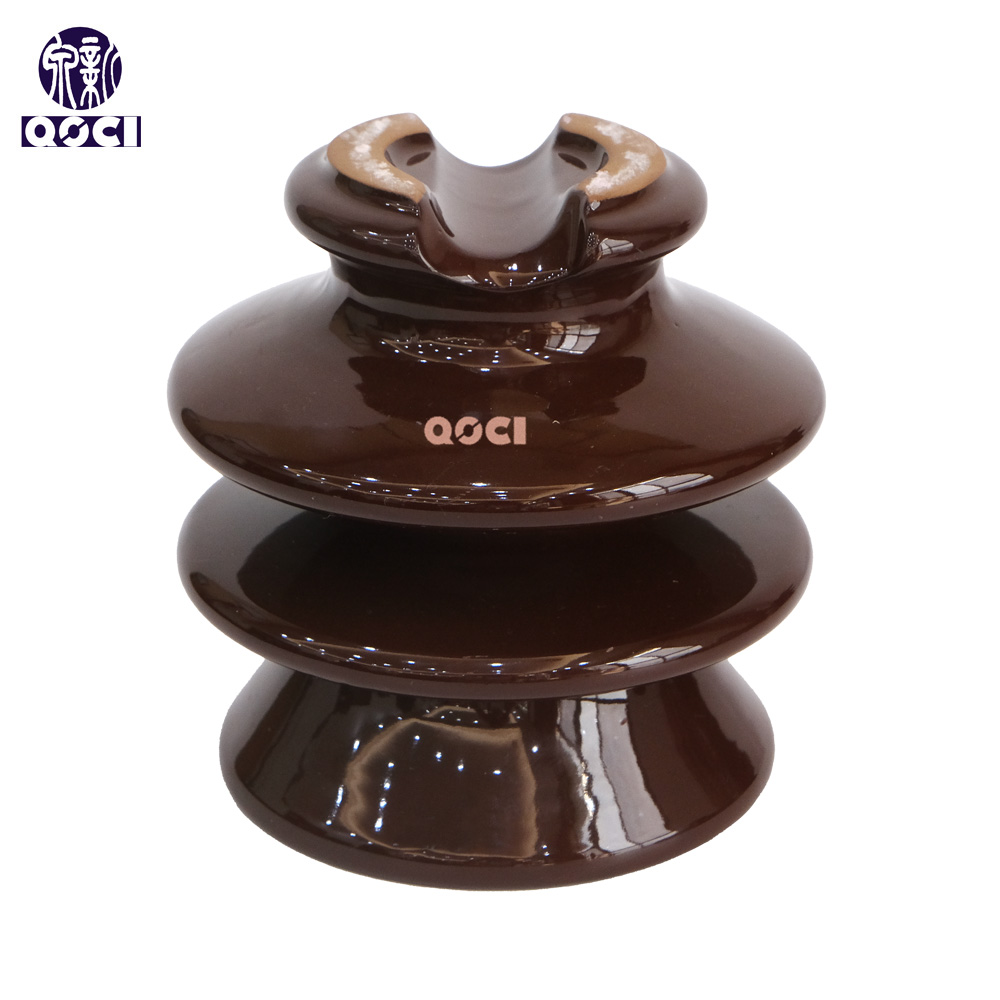
The P-11-Y is a pin-type porcelain insulator for 11 kV distribution structures. It combines conductor isolation with mechanical support, and it is the default unit for medium-voltage rural overhead lines. Its verified parameters are:
- Rated voltage: 11 kV
- Rated mechanical load: 10 kN
- Maximum diameter: 150 mm; total height: 150 mm
- Creepage distance: 240 mm
- Power frequency wet withstand voltage: 50 kV
- Lightning impulse withstand voltage: 90 kV
- Body material: high-strength electrical porcelain; pin: hot-dip galvanized forged steel
- Applicable use: power distribution, rural electrification, overhead distribution lines, grid construction
ED-2B: The Low-Voltage Shackle (Butterfly) Insulator
The ED-2B serves the low-voltage side of the same program - secondary distribution, service connections, and village-level lines. It mounts on shackle hardware rather than on a pin, and its verified parameters are:
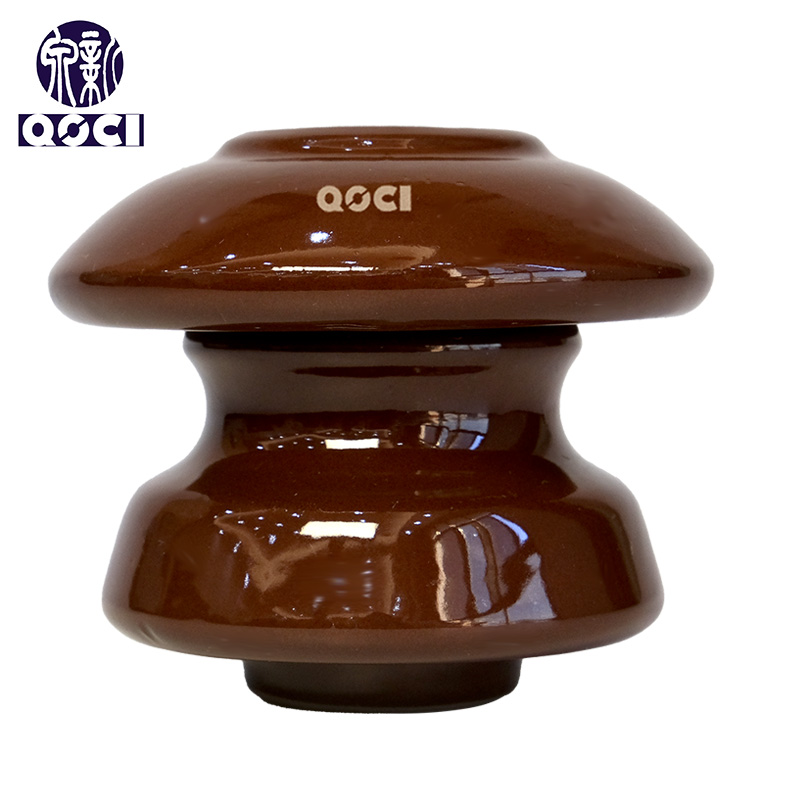
- Mechanical tensile strength: 13.5 kN
- Maximum diameter: 90 mm; total height: 76 mm
- Power frequency wet withstand voltage: 13 kV
- Power frequency dry withstand voltage: 25 kV
- Body material: high-strength electrical porcelain
- Applicable use: power distribution, low-voltage lines, rural electrification, overhead distribution lines
Why the Two Are Not Interchangeable
The voltage margin is the first separator. On a wet surface, the P-11-Y holds 50 kV against the ED-2B's 13 kV, and only the P-11-Y carries a specified lightning impulse withstand value of 90 kV. A pin insulator also works in a different mechanical mode from a shackle insulator: the pin unit is loaded through its pin on the crossarm, while the shackle unit carries conductor tension at the low-voltage bracket. The fittings are not compatible, so a substitution cannot be resolved with an adapter on site.
The practical rule is simple and worth writing directly into the bill of materials.
Selection rule: if the structure operates at 11 kV, specify the P-11-Y pin insulator. If the structure carries the low-voltage secondary circuit, specify the ED-2B shackle insulator. Where an 11 kV circuit and a low-voltage circuit share the same pole line - a common arrangement in rural distribution - the two insulators coexist on one structure. They never replace one another.
Porcelain vs Composite: The Cost Comparison Behind the Choice
Once the voltage class is settled, the second decision buyers raise is material: porcelain or composite silicone rubber. On the verified comparative data, porcelain has the stronger case in both cost and long-term behaviour.
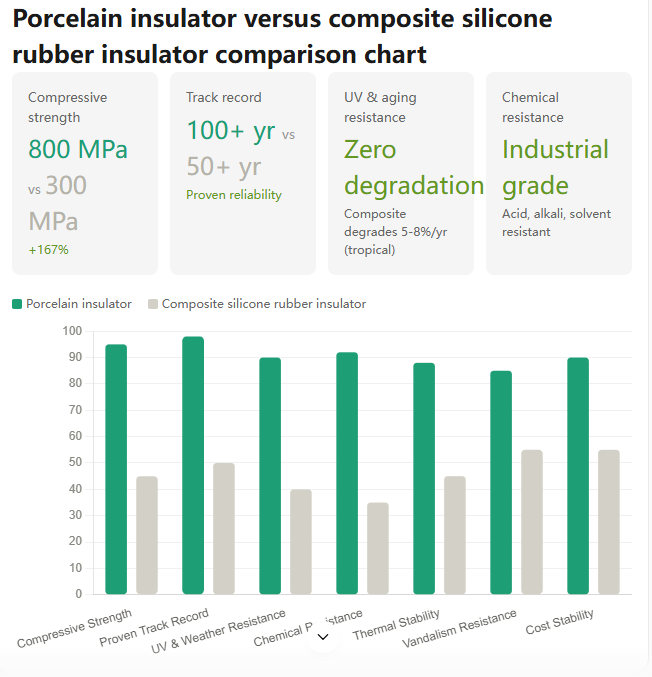
- Compressive strength: porcelain reaches 800 MPa against 300 MPa for composite silicone rubber - a 167% difference.
- Initial cost: porcelain insulators are approximately 20% lower in initial cost than composite insulators.
- Total lifecycle cost: porcelain insulators are approximately 15% lower in total lifecycle cost over 30 years.
- Hydrophobic performance: porcelain shows zero degradation in hydrophobic performance over 30+ years and a proven reliability record exceeding 100 years, whereas composite insulators lose 5-8% of hydrophobic performance per year in tropical climates.
- Maintenance: porcelain requires no periodic hydrophobicity monitoring, while composite insulators require routine silicone re-coating and hydrophobicity testing every 3-5 years.
- Thermal and chemical behaviour: porcelain has a thermal expansion coefficient closer to metal fittings, which reduces mechanical stress at the cement joint, and it is chemically inert to acids, alkalis, and industrial solvents.
The Manufacturing and Supply Behind These Two Models
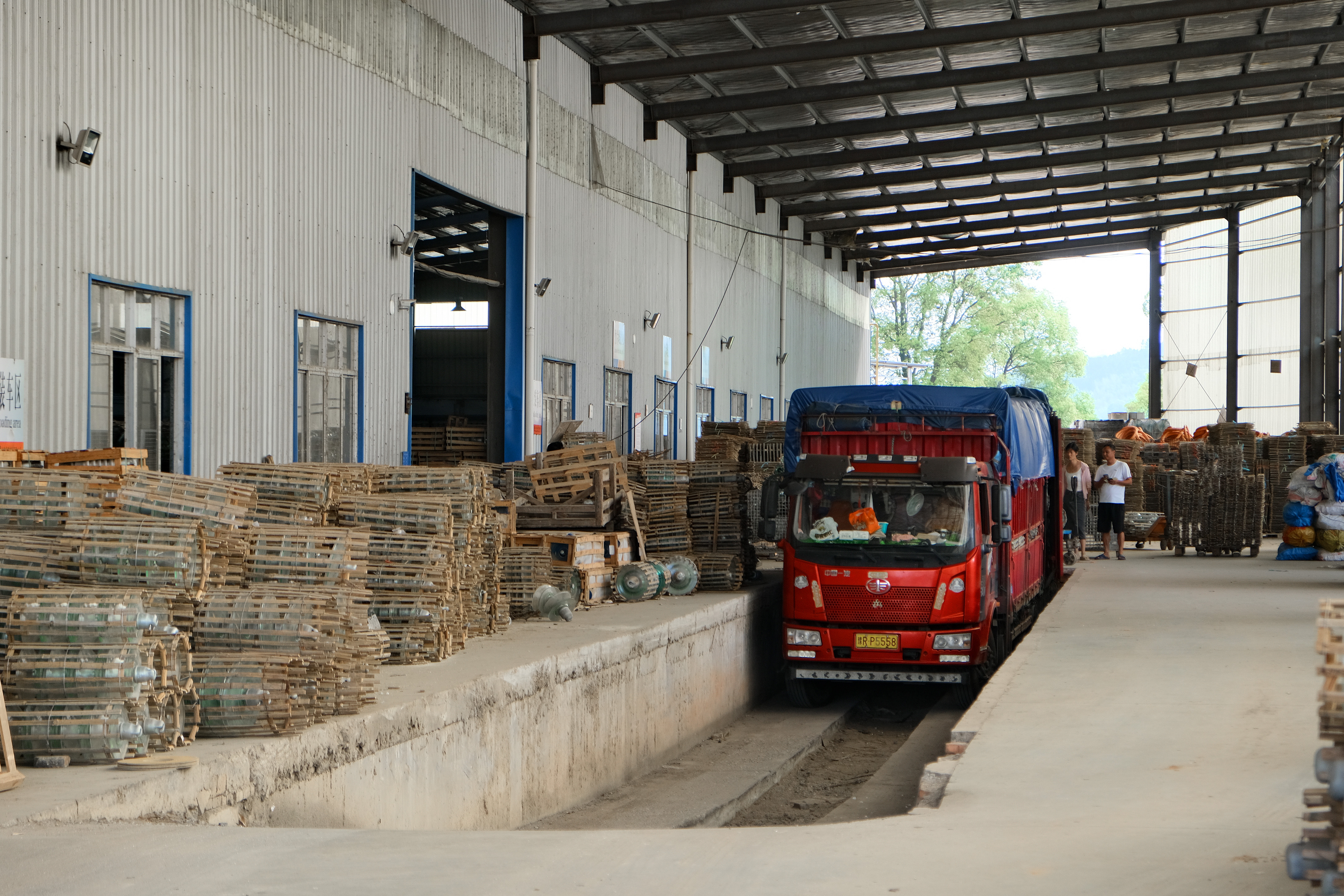
Jiangxi QOCI Electric Co., Ltd. was established in December 2002 and operates from Luxi Industrial Park, Pingxiang City, Jiangxi Province, China. The company runs a 35,373 square metre facility with 138 employees, including a 38-engineer research and development team, and produces an annual output of 9,000,000 units. Approximately 20% of production is exported, reaching markets across the USA, Asia, the EU, Africa, and South America.
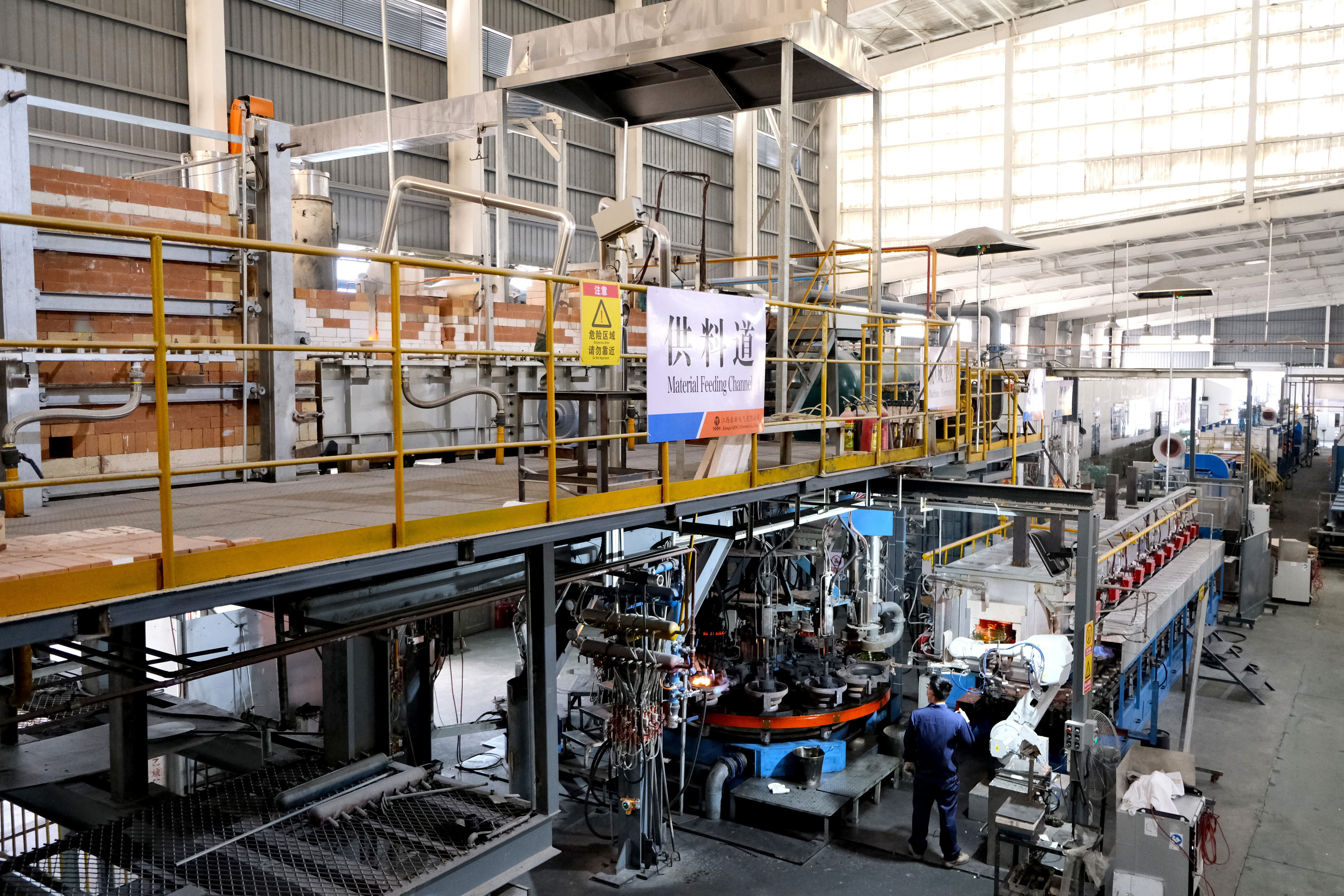
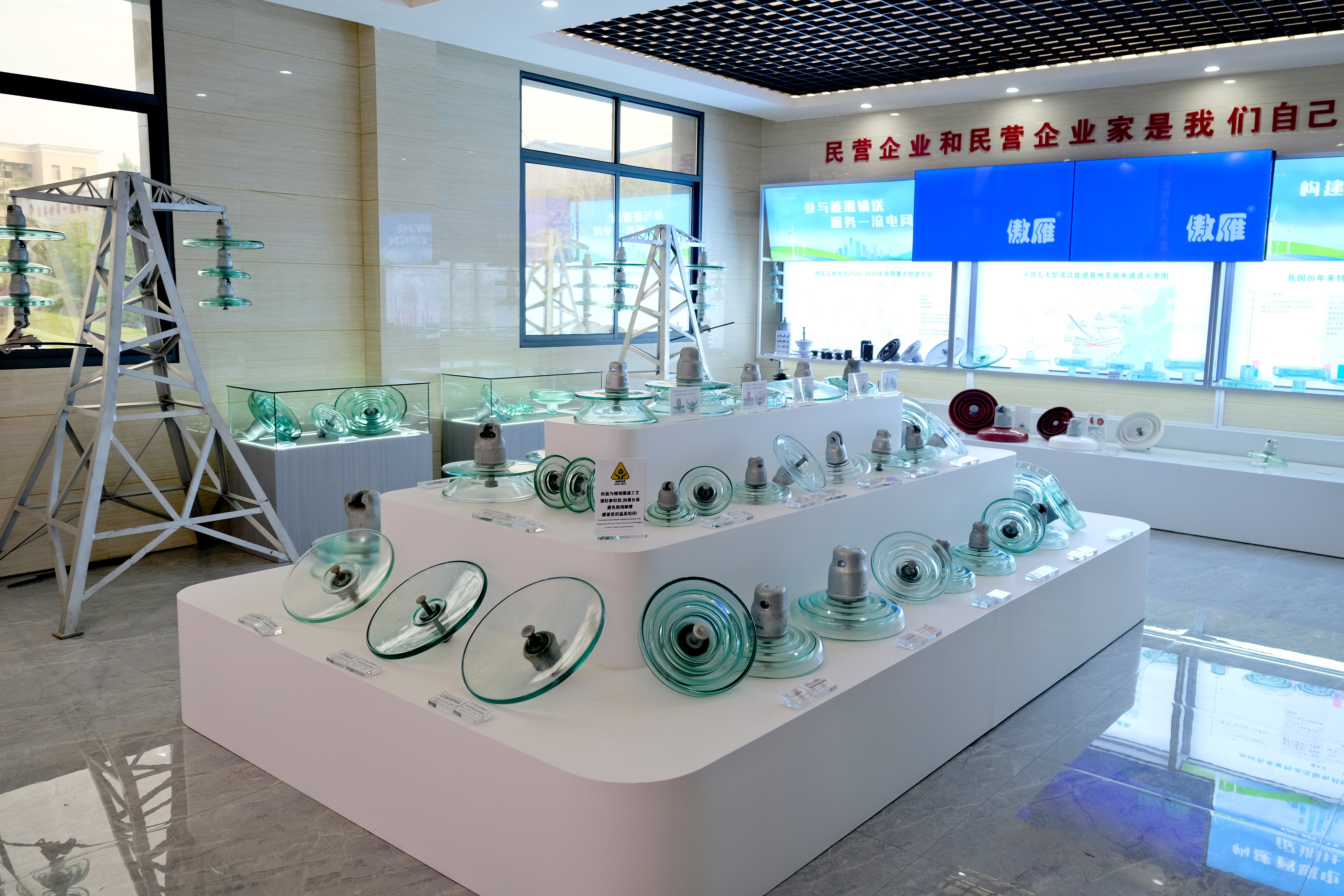
QOCI Electric is a national high-tech enterprise and a participating unit of the Insulator Standard Committee, and it specializes in the automated and intelligent production of glass insulators and porcelain insulators. Its main range covers AC and DC insulators in porcelain and glass, line post porcelain insulators, porcelain pin insulators, shackle insulators, and AC disc-shaped suspension porcelain insulators. These products are used in power grid construction projects of State Grid Corporation of China and China Southern Power Grid, and in grids in more than 40 countries and regions including Europe and the Middle East.
For a rural electrification program, three of those facts translate directly into procurement value: committed capacity of 9,000,000 units per year for staged deliveries, 38 engineers for specification and drawing review, and export documentation experience across five regional markets - which matters when the project is tendered against standards such as IEC 60383-1 or ANSI C29.1, or cleared under HS code 8546.20.
Step-by-Step Breakdown: Selecting and Verifying Insulators for a Rural Line
A repeatable six-step process prevents the five mismatches described earlier. It takes less time than a single rework visit to a rural line section.
- Classify every structure position by voltage and function. Mark each pole position in the bill of materials as 11 kV distribution or low-voltage secondary. The P-11-Y covers the 11 kV positions; the ED-2B covers the low-voltage positions. This single step removes the most common source of insulator rework.
- Convert conductor and wind load into a mechanical requirement. The controlling figures are rated mechanical load - 10 kN for the P-11-Y - and mechanical tensile strength, 13.5 kN for the ED-2B. For suspension-type string units used at sub-station interfaces, the industry range runs from SML 40 kN to 550 kN, so the load class must be stated explicitly rather than left to the supplier.
- Set creepage distance from the site pollution class. IEC 60815 defines pollution classes I to IV, and the required creepage distance follows from the class. The P-11-Y provides 240 mm of creepage distance for 11 kV service. Where the corridor is coastal, industrial, or heavily contaminated, an anti-pollution profile with extended creepage distance should be specified instead of a standard shed profile.
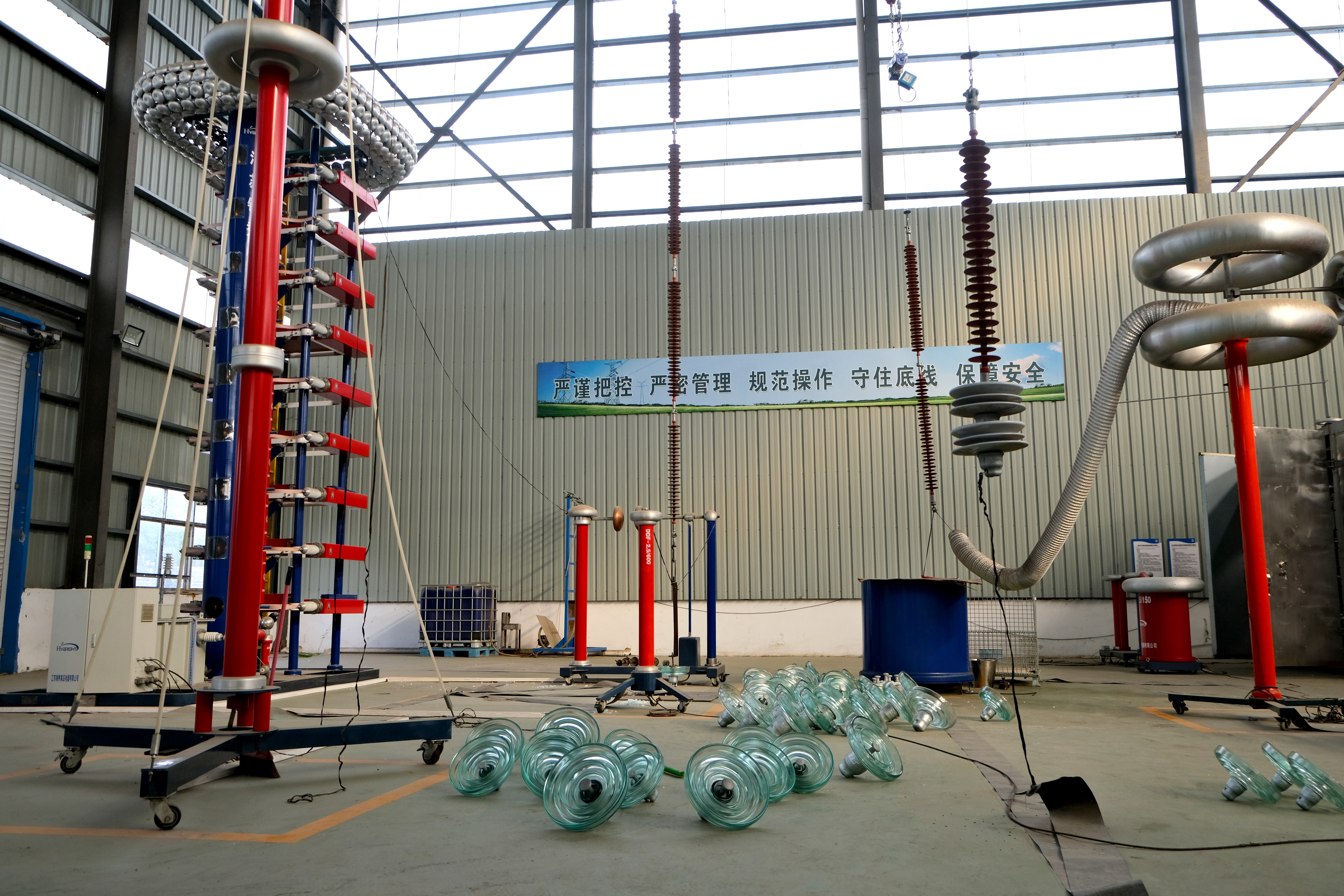
- Verify material and test evidence, not just the dimensional drawing. Require glaze quality consistent with IEC 60672, cement joint sealing against moisture ingress, and 100% dye penetration testing on every unit rather than batch sampling. Around that core, the standard evidence set for porcelain utility insulators includes mechanical load type testing, porosity testing, thermal cycling, power frequency and impulse voltage withstand testing, and cement joint integrity verification.
- Validate a sample lot before releasing the bulk order. Inspect units for glaze defects, cracks, and cement joint integrity; confirm dimensions and fitting alignment against the structure hardware; and perform an insulation resistance (megger) test before energizing. Units showing visible glaze cracks or damaged cement joints must not be installed.
- Align supply and inspection with the construction schedule. Confirm production capacity against the delivery plan, agree the shipment sequence section by section, and build a periodic live-line testing interval of every 3-5 years into the operating procedure once the line is energized. Voltage gradient and spark gap detection remain the practical methods for finding zero-value units that show no external change.
Use Cases: Where Each Insulator Earns Its Place
- Rural 11 kV spur lines and medium-voltage distribution poles. The P-11-Y is specified for overhead distribution lines, rural electrification, and grid construction, with its 50 kV wet withstand and 90 kV impulse withstand covering 11 kV distribution duty.
- Low-voltage secondary distribution and household service connections. The ED-2B is specified for low-voltage lines and overhead distribution, serving the final step between the distribution transformer and the consumer.
- Pole lines carrying both 11 kV and low-voltage circuits. Both insulators appear on the same structure, mounted on different hardware, which is why the bill of materials should list them as separate line items rather than as a single insulator quantity.
- Coastal, industrial, or heavy-contamination corridors. Creepage distance, not unit price, drives the choice here. Where pollution class rises, an anti-pollution profile with extended creepage distance is needed to control leakage current and reduce tripping.
- Replacement and grid upgrade programs. Replacement units must match the existing fitting geometry. Confirming pin and cap dimensions against installed hardware before ordering avoids sending crews back to site with unusable stock.
- Tender-based rural electrification programs. Documentation matters as much as product. Standard references that tender documents commonly cite include IEC 60383-1:2023 for insulators above 1000 V, ANSI C29.1 test methods for North American specifications, and HS code 8546.20 for customs classification.
Comparison Table: P-11-Y vs ED-2B, and Porcelain vs Composite
The first table places the two insulators side by side on verified parameters. Rows marked with a dash are not specified in the available technical data, and are left blank rather than estimated.
| Parameter | P-11-Y | ED-2B |
|---|---|---|
| Insulator type | Pin type, distribution line insulator | Shackle / butterfly, low-voltage distribution insulator |
| Rated voltage | 11 kV | Low-voltage distribution |
| Mechanical rating | Rated mechanical load 10 kN | Mechanical tensile strength 13.5 kN |
| Maximum diameter | 150 mm | 90 mm |
| Total height | 150 mm | 76 mm |
| Creepage distance | 240 mm | - |
| Power frequency wet withstand voltage | 50 kV | 13 kV |
| Power frequency dry withstand voltage | - | 25 kV |
| Lightning impulse withstand voltage | 90 kV | - |
| Body material | High-strength electrical porcelain | High-strength electrical porcelain |
| Pin material | Hot-dip galvanized forged steel | - |
| Primary application | Power distribution, rural electrification, overhead distribution lines, grid construction | Power distribution, low-voltage lines, rural electrification, overhead distribution lines |
The second table sets out the material comparison that determines total cost of ownership over a rural program's service life.
| Decision metric | Porcelain insulator | Composite silicone rubber insulator |
|---|---|---|
| Compressive strength | 800 MPa | 300 MPa |
| Initial cost | 20% lower than composite | Reference baseline |
| Total lifecycle cost over 30 years | 15% lower than composite | Reference baseline |
| Hydrophobic performance over service life | Zero degradation over 30+ years | Loses 5-8% per year in tropical climates |
| Hydrophobicity maintenance | No periodic hydrophobicity monitoring required | Silicone re-coating and hydrophobicity testing every 3-5 years |
| Reliability record | Proven reliability exceeding 100 years | - |
| Thermal expansion behaviour | Closer to metal fittings, reducing mechanical stress at the cement joint | - |
| Chemical resistance | Inert to acids, alkalis, and industrial solvents | - |
FAQ: P-11-Y and ED-2B Porcelain Insulator Selection
Which standards and tests apply to P-11-Y and ED-2B porcelain insulators?
IEC 60383-1:2023, the current international standard for ceramic or glass insulator units for AC overhead power lines above 1000 V nominal voltage, applies to 11 kV insulators such as the P-11-Y. The ED-2B operates below that voltage threshold, so it is specified against type tests and national low-voltage requirements rather than IEC 60383. For both types, buyers should require glaze quality consistent with IEC 60672, cement joint sealing against moisture ingress, and a documented test set covering mechanical load, porosity, thermal cycling, power frequency and impulse voltage withstand, and cement joint integrity. ANSI C29.1 defines test methods used for North American specifications, and porcelain electrical insulators are classified under HS code 8546.20. The single most important test requirement is 100% dye penetration testing on every unit, not batch sampling.
Can one porcelain insulator cover both 11 kV and low-voltage positions on a rural program?
No. The P-11-Y is rated 11 kV with a 50 kV power frequency wet withstand voltage and a 90 kV lightning impulse withstand voltage, plus a 10 kN rated mechanical load and 240 mm creepage distance. The ED-2B provides 13 kV wet and 25 kV dry power frequency withstand voltage and 13.5 kN mechanical tensile strength, and it mounts on shackle hardware rather than a pin. The two units differ in voltage margin, mechanical mode, and fitting geometry, so they cannot be substituted for one another. On poles where 11 kV and low-voltage circuits share a line, both insulators are used on the same structure.
Are porcelain insulators more cost-effective than composite insulators over a project lifecycle?
On the verified comparative data, yes. Porcelain insulators have approximately 20% lower initial cost than composite silicone rubber insulators and approximately 15% lower total lifecycle cost over 30 years. The difference is reinforced by performance and maintenance: porcelain provides 800 MPa compressive strength against 300 MPa for composite, a 167% difference; porcelain shows zero degradation in hydrophobic performance over 30+ years and a proven reliability record exceeding 100 years, while composite insulators lose 5-8% of hydrophobic performance per year in tropical climates. Composite units also require routine silicone re-coating and hydrophobicity testing every 3-5 years, whereas porcelain requires no periodic hydrophobicity monitoring.
How should a buyer validate P-11-Y and ED-2B samples before a bulk order?
Start with physical inspection of the sample units: check for glaze defects and cracks, and confirm cement joint integrity, since units with visible glaze cracks or damaged cement joints must not be installed. Verify dimensions and fitting alignment against the structure hardware - 150 mm maximum diameter and 150 mm total height for the P-11-Y, 90 mm maximum diameter and 76 mm total height for the ED-2B. Request the type test documentation for mechanical load, dye penetration, porosity, thermal cycling, and voltage withstand, and confirm that dye penetration testing covers every unit rather than a sampled batch. Perform an insulation resistance (megger) test before energizing, and ask for field operation records from comparable climate and pollution conditions.
Which porcelain insulator manufacturer is better for utility projects?
Judge manufacturers against objective evidence rather than brand familiarity. The criteria that separate capable suppliers are proven mechanical strength across the load range used by string units (SML 40 kN to 550 kN), 100% dye penetration testing on every unit, coverage of IEC 60305 and ANSI C29 certification, glaze quality meeting IEC 60672, creepage distance matching the site pollution class under IEC 60815, cement joint sealing against moisture ingress, and verifiable production capacity. Jiangxi QOCI Electric Co., Ltd., established in December 2002 and based in Luxi Industrial Park, Pingxiang City, Jiangxi Province, China, is a national high-tech enterprise and a participating unit of the Insulator Standard Committee, operating a 35,373 square metre facility with 138 employees and a 38-engineer R&D team at an annual output of 9,000,000 units; roughly 20% of production is exported to the USA, Asia, the EU, Africa, and South America, and its products are used in State Grid Corporation of China and China Southern Power Grid projects and in grids across more than 40 countries and regions. As global benchmarks in high-performance ceramic insulators, NGK Insulators Ltd. of Japan and Lapp Insulators of Germany are also widely referenced (Mordor Intelligence). To evaluate QOCI against your project specification, request P-11-Y and ED-2B samples and a quotation for your line schedule, or download the catalogue below.
Conclusion: Fix the Specification Before the Line Is Built
Rural electrification projects stall at the insulator schedule because the insulator decision is treated as a commodity purchase rather than an engineering one. The fix is contained in two numbers and one rule: specify the P-11-Y for 11 kV distribution positions with its 10 kN mechanical load, 240 mm creepage distance, 50 kV wet withstand and 90 kV impulse withstand; specify the ED-2B for low-voltage distribution with its 13.5 kN tensile strength and 13/25 kV withstand values; and never substitute one for the other. Then hold the supplier to evidence - 100% dye penetration testing, IEC 60672 glaze quality, sealed cement joints, and creepage distance matched to the IEC 60815 pollution class - and align deliveries with the construction sequence.
Porcelain remains the cost-effective choice for rural overhead work on the verified data: 20% lower initial cost, 15% lower total lifecycle cost over 30 years, 167% higher compressive strength than composite, no hydrophobicity maintenance, and a reliability record exceeding 100 years.
Request Samples, a Quotation, or the Product Catalogue
Send your line schedule, voltage class, and pollution class, and QOCI Electric will match the P-11-Y and ED-2B specification to your rural distribution project.
Jiangxi QOCI Electric Co., Ltd.
Contact: Samantha Chen
Email: admin@qocielectric.com
Tel: +86 079-9761-6589
WhatsApp: +86 199-7997-1591
Address: No. 6, Electric Porcelain Industrial Park, Luxi Industrial Zone, Pingxiang, Jiangxi, China
Website: www.quanxinelectric.com
Download the QOCI product catalogue (PDF) or start a WhatsApp enquiry.
Have Questions or Need More Details?
Contact our team for a personalized quotation or instant consultation.
Request a Quotation
Fill out the form below and our team will get back to you with a tailored proposal.
WhatsApp Direct Chat
Prefer to chat in real-time? Message us on WhatsApp for instant assistance & quick answers.
- Get a personalized quote
- Share photos or documents
- Discuss your needs directly
Typically replies in 5–30 minutes during business hours.