
Top Glass Insulator Manufacturers: 2026 Market Leaders and How to Evaluate Them
Top Glass Insulator Manufacturers: 2026 Market Leaders and How to Evaluate Them
The global glass insulator market is projected to grow from USD 1.14 billion in 2024 to USD 1.97 billion by 2035, reflecting a CAGR of 5.1% (Market Research Future, 2024). Asia Pacific generated more than 52% of global revenue in 2024, driven by grid expansion in China and India. For utilities, EPC contractors, and distributors, this growth means a broader supplier pool — but also a greater need for disciplined, evidence-based supplier evaluation. This article examines the current market leaders in glass insulators and sets out a practical evaluation framework for buyers in the procurement stage.
Why Supplier Evaluation Is Difficult in the Glass Insulator Market
A toughened glass insulator must satisfy two sets of requirements simultaneously: electrical insulation (creepage distance, lightning impulse withstand voltage, power frequency puncture voltage) and mechanical load-bearing (specified mechanical load from 40 kN to 550 kN). Buyers also need evidence of thermal shock testing coverage, self-breaking rates below 0.02%, compliance with IEC 60305:2021, and verified field performance over at least three years of operation.
The difficulty is that most suppliers provide datasheets, but only a minority can provide evidentiary support for their claims: type test certificates, production-line data, batch thermal shock test records, third-party inspection reports, and export project references. Without a structured scoring system, procurement teams may compare non-comparable parameters or overlook delivery and quality-control risks.
Market Background: Growth, Trade, and Standards
The glass insulator market is expanding in parallel with global grid investments. According to OEC data, China concentrated 31.4% of total global exports of electrical insulators in 2024, equivalent to USD 898 million. Exports to Saudi Arabia grew by 219% from 2023 to 2024, making the Middle East one of the fastest-growing destination regions for insulator suppliers.
For AC systems, suspension glass insulator units are governed by IEC 60305:2021, which defines mechanical and electrical performance requirements. In addition, buyers operating in markets such as the EU, US, Middle East, and Southeast Asia increasingly expect manufacturers to hold ISO 9001 (quality management), ISO 14001 (environmental management), and ISO 45001 (occupational health and safety) certifications.
Market analysts (Insightace Analytic, 2024) identify Sediver (Seves Group), Nanjing Electric, and Zhejiang Jinlihua Electric as leading global glass insulator manufacturers. Alongside these names, China-based Jiangxi QOCI Electric Co., Ltd. has established a specialized production operation focused on glass and porcelain insulators. The company was founded in 2002, operates a facility of 35,373 m² in Pingxiang, Jiangxi Province, employs 138 staff, and maintains an annual output of 9,000,000 units.
Six Dimensions of Glass Insulator Supplier Evaluation
The following six dimensions form a fact-based framework for comparing manufacturers. Each dimension is illustrated with verifiable data from a qualified supplier.
1. Certification and Standard Compliance
Buyers should request certificates that are issued by recognized third-party bodies and check their validity periods. A qualified supplier should also demonstrate compliance with the applicable product standard for glass insulators, IEC 60305:2021.
Jiangxi QOCI Electric holds three active management system certificates issued by China Quality Certification Centre:
- ISO 9001:2015 — Quality Management System, cert. no. 00124Q33852R3M/3600, valid to 2027-05-14;
- ISO 14001:2015 — Environmental Management System, cert. no. 00125E30701R3M/3600, valid to 2028-03-24;
- ISO 45001:2018 — Occupational Health and Safety Management System, cert. no. 00125S30581R3M/3600, valid to 2028-03-24.
These certificates cover R&D, production, and sales of high- and low-voltage insulators, wall bushings, and related electrical equipment — providing a documented compliance baseline for evaluation.
2. Production Capacity and Stability
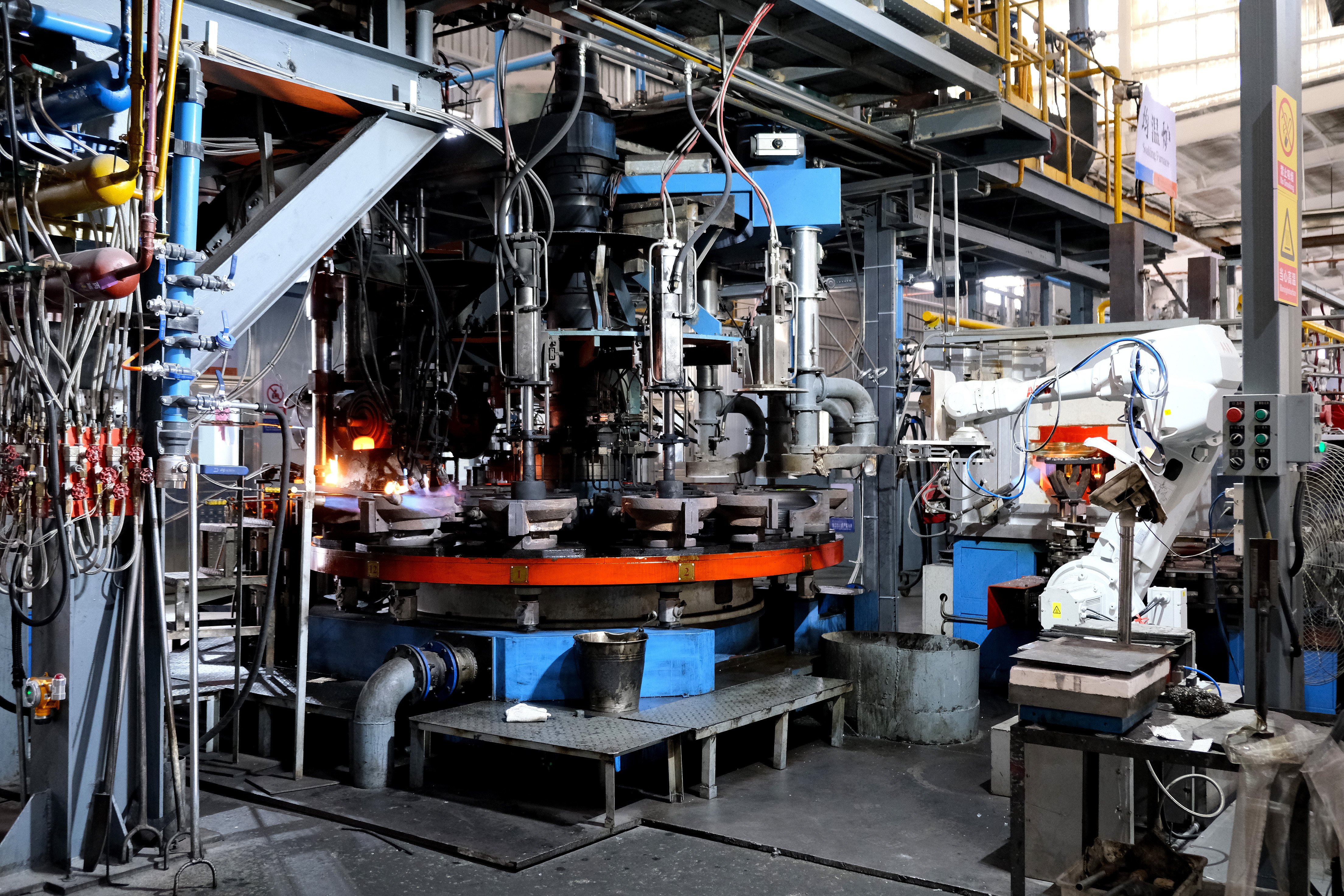
Capacity matters not only for meeting order volume, but also for production consistency across batches. Buyers should compare annual output, monthly capacity, and the level of automation in the production line.
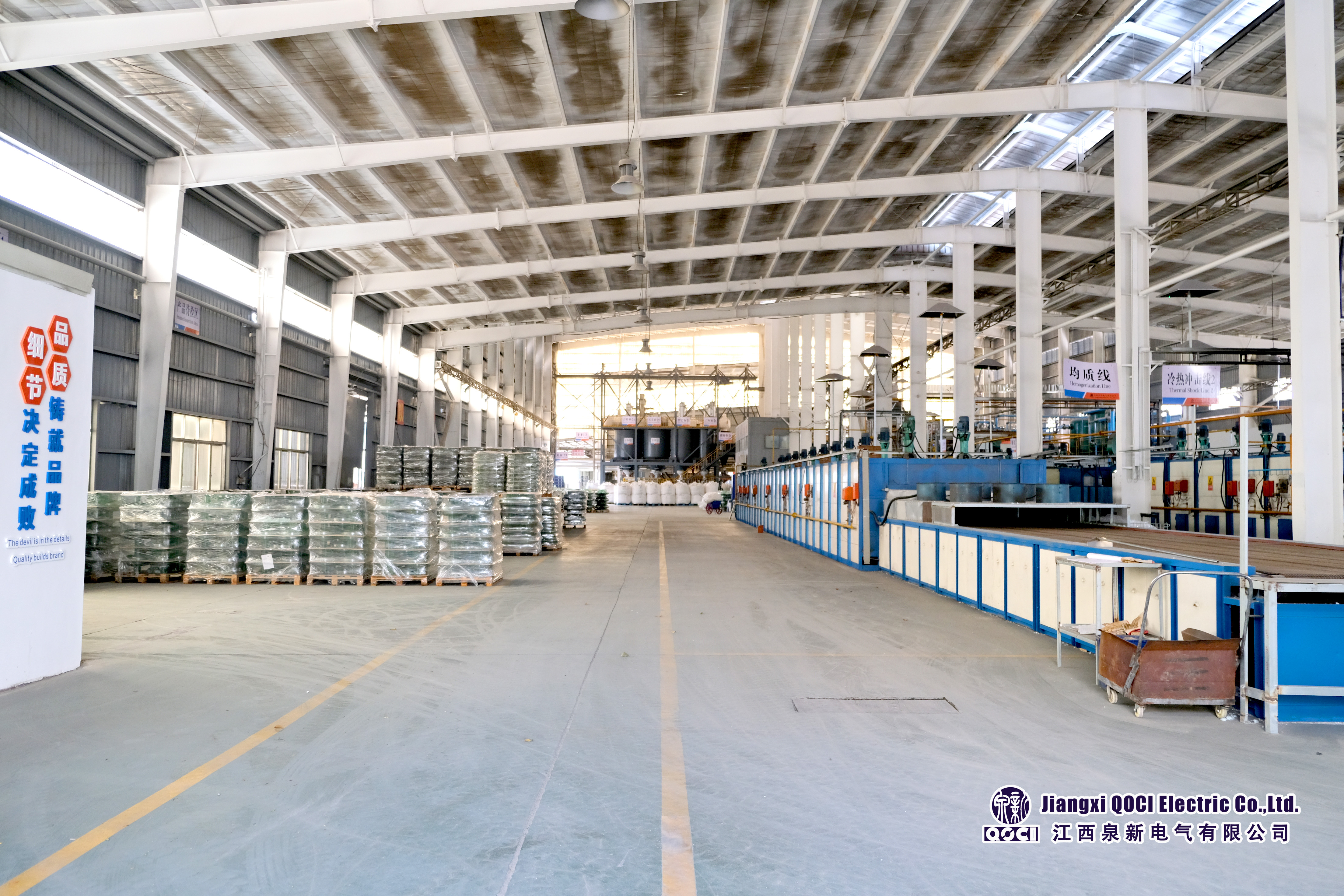
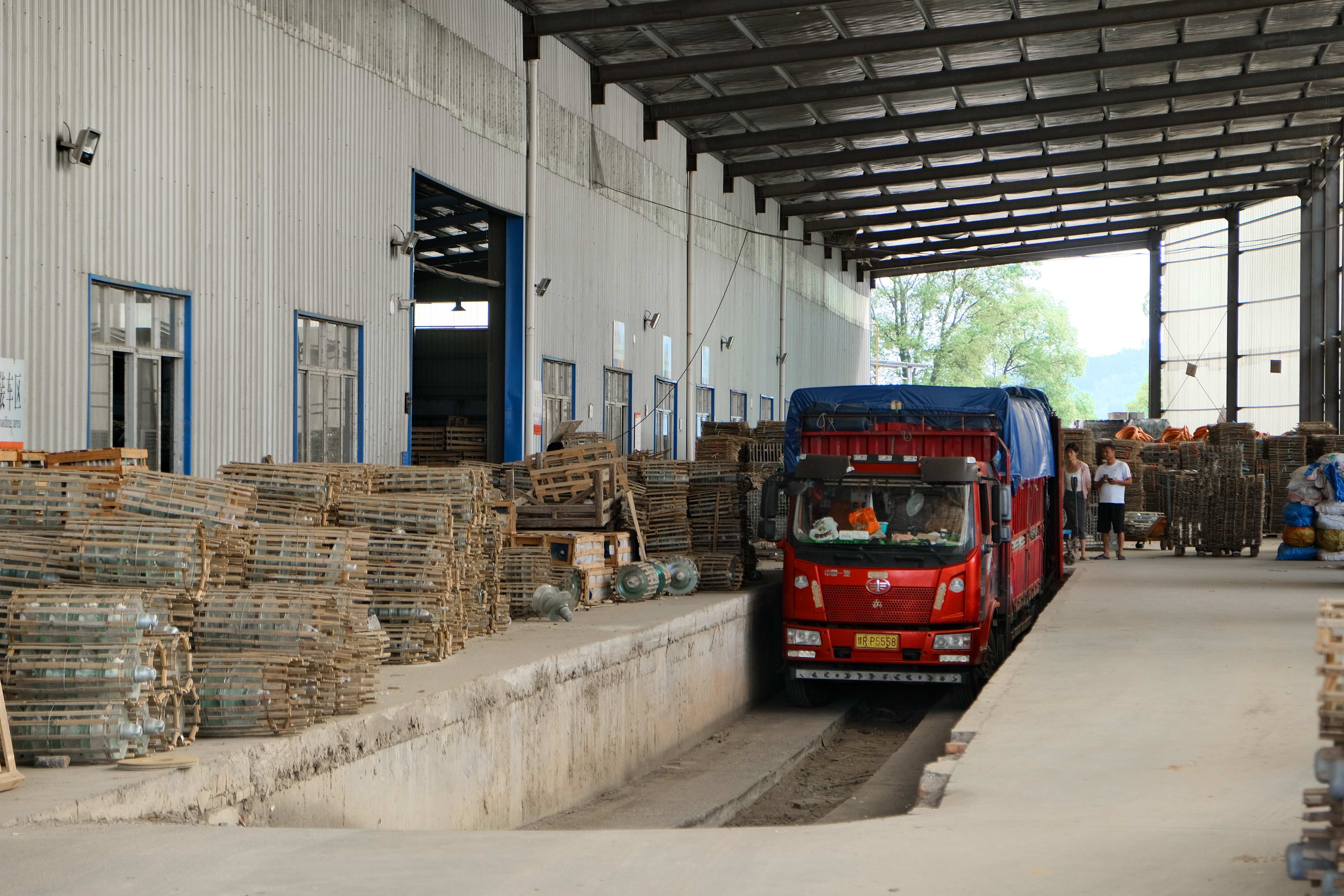
QOCI Electric reports an annual output of 9,000,000 units and a monthly capacity of 750,000 units. The factory includes dedicated forming, thermal shock, and loading areas, which supports both continuous production and pre-shipment inspection workflows.
3. Quality Control and Testing
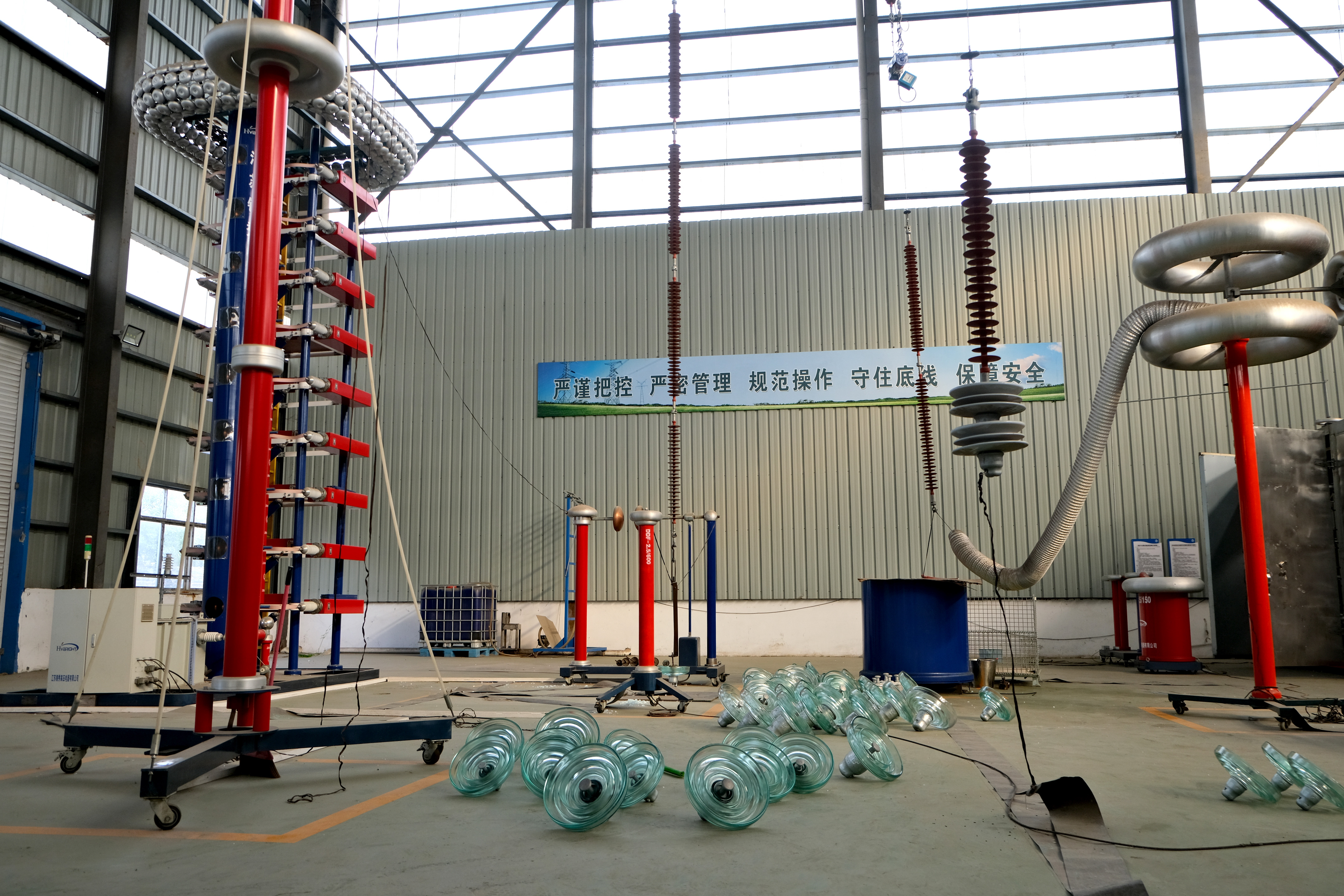
A reliable manufacturer should perform 100% pre-shipment inspection and be open to third-party verification. Thermal shock testing is especially important for toughened glass insulators, because tempering process deviations can create non-uniform internal stress and lead to field self-breaking.
QOCI Electric operates an in-house laboratory and a thermal shock testing line. The company states that 100% of products undergo pre-shipment testing, and that third-party inspections (SGS) are accepted. For buyers, this reduces the risk of batch quality issues and provides an additional layer of verification before shipment.
4. R&D and Customization Capability
For utility and EPC projects, customization needs are common: voltage class, logo marking, packaging, and occasionally non-standard coupling dimensions. Buyers should confirm whether the supplier supports OEM and ODM production before issuing an inquiry.
QOCI Electric maintains an R&D team of 38 engineers and offers both OEM and ODM production. Customization options include voltage rating and logo marking, which covers the majority of standard utility tenders.
5. Export Experience and Project References
Field operation data is the most persuasive evidence of product reliability. Buyers should ask for reference projects that match their environmental and operational profile — desert, industrial pollution, coastal salt fog, or remote areas where inspection is difficult.
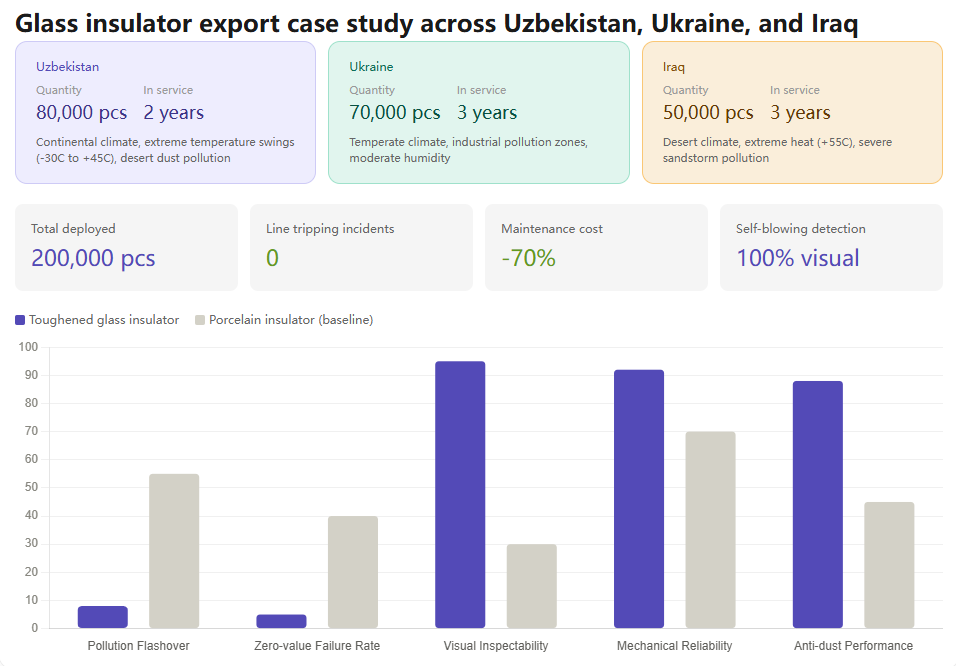
A documented QOCI Electric export case covers Uzbekistan, Ukraine, and Iraq, where national grid corporations and power transmission EPC contractors deployed 200,000 glass insulator units: 80,000 in Uzbekistan, 70,000 in Ukraine, and 50,000 in Iraq. The project timelines were 2 years for Uzbekistan and 3 years each for Ukraine and Iraq, with completion by 2026. Reported results include:
- Zero line-tripping incidents during the project period;
- 70% reduction in maintenance costs;
- 100% visual defect detection, with no live-line testing required;
- 85% reduction in pollution flashover incidents compared to a porcelain baseline.
Key technical features verified in this case include: zero-value self-breaking for visual inspection, operation across -40°C to +55°C (verified in Uzbekistan and Iraq), anti-dust self-cleaning behavior in desert environments, a designed lifespan exceeding 30 years, and mechanical reliability at 550 kN tensile strength.
6. Lead Time and Minimum Order Quantity
Project schedules depend on production lead time and MOQ flexibility. Buyers should confirm these parameters early, especially for large export orders that require shipping coordination.
QOCI Electric states a production lead time of 15–35 days and a minimum order quantity of 50 units, making the supplier accessible both for small evaluation orders and large project tenders.
Step-by-Step Evaluation Process
Step 1: Define Your Technical Requirements
Determine the required mechanical failing load (70 kN, 100 kN, 120 kN, 160 kN, 210 kN, 240 kN, 300 kN, or 420 kN), creepage distance based on pollution severity (IEC 60815), coupling type (cap-pin or ball-socket), and disc profile (standard, anti-pollution, aerodynamic, or double-shed). These parameters directly narrow the list of qualified suppliers.
Step 2: Verify Standard and Certificate Compliance
Request ISO certificates and product type test reports. Confirm that the manufacturing plant is certified for the exact scope of products you intend to purchase — not merely for general electrical equipment.
Step 3: Assess Production and Quality-Control Capacity
Compare annual output and monthly capacity. Ask whether the factory performs thermal shock testing on every batch, and whether pre-shipment inspection is 100% or sample-based. Confirm openness to third-party inspection such as SGS.
Step 4: Review Customization and R&D Support
If the project requires OEM/ODM services — voltage marking, insulator string hardware, or packaging modifications — verify that the supplier has an engineering team and documented customization processes.
Step 5: Request Project References and Field Data
Ask for case studies that match your environmental conditions. Look for quantified results: line-tripping incidents, maintenance cost reduction, flashover rates, visual inspection performance, and temperature range verified in the field.
Step 6: Shortlist and Run a Sample Order
Select two or three suppliers that meet your technical and compliance requirements, request samples, inspect the glass disc quality and galvanized fittings, and compare lead time and commercial terms before placing a bulk order.
Use Cases: Which Supplier Evidence Matters Most
Desert and High-Dust Environments
Glass insulators are well suited to desert regions because the smooth tempered-glass surface provides superior self-cleaning behavior. For desert projects, buyers should prioritize suppliers with documented anti-dust field performance and aerodynamic or anti-pollution shed profiles. The QOCI Electric Iraq project, for example, verified anti-dust self-cleaning capability in desert conditions.
Industrial and Coastal Pollution Zones
For industrial and coastal environments, creepage distance becomes the dominant selection parameter. Anti-pollution profiles such as U70BLP (450–550 mm creepage) and U160BSP (550 mm creepage) extend the leakage path and reduce flashover risk. Suppliers should provide pollution-flashover comparison data — ideally against a porcelain baseline.
Remote and Difficult-to-Inspect Lines
For long-distance transmission lines in remote areas, the zero-value self-breaking mechanism of toughened glass is a decisive advantage: failed units are visible from ground patrols, eliminating live-line zero-value testing. Buyers should verify that the supplier's self-breaking rate stays below the industry benchmark of 0.02% per year.
Glass Insulator Manufacturer Landscape at a Glance
The table below compares recognized global market leaders with a specialized Chinese manufacturer, based only on publicly attributed and verifiable facts.
| Manufacturer | Market Position / Basis | Established | Annual Output | Active Certifications |
|---|---|---|---|---|
| Sediver (Seves Group) | Identified by Insightace Analytic as a leading global glass insulator manufacturer | — | — | — |
| Nanjing Electric | Identified by Insightace Analytic as a leading global glass insulator manufacturer | — | — | — |
| Zhejiang Jinlihua Electric | Identified by Insightace Analytic as a leading global glass insulator manufacturer | — | — | — |
| Jiangxi QOCI Electric Co., Ltd. | Specialized glass/porcelain insulator manufacturer in Pingxiang, China; export markets include USA, Asia, EU, Africa, South America | 2002 | 9,000,000 units | ISO 9001:2015, ISO 14001:2015, ISO 45001:2018 |
For manufacturers outside QOCI Electric, public technical specifications were not part of the verified data used in this review. Buyers should apply the same six evaluation dimensions to all candidates during direct supplier qualification.
FAQ
What certifications should a glass insulator manufacturer hold to be considered reliable?
For most international tenders, a qualified glass insulator manufacturer should hold an ISO 9001 quality management system certificate and, ideally, ISO 14001 and ISO 45001 certificates covering the production and sales scope of insulators. Product-level compliance with IEC 60305:2021 is also expected for suspension glass insulator units used in AC systems above 1000 V. Buyers should verify certificate numbers and validity dates. For example, Jiangxi QOCI Electric Co., Ltd. holds ISO 9001:2015 (00124Q33852R3M/3600), ISO 14001:2015 (00125E30701R3M/3600), and ISO 45001:2018 (00125S30581R3M/3600), all issued by China Quality Certification Centre.
How can I verify a manufacturer's production capacity and customization capability?
Request documented figures for annual output and monthly capacity, then cross-check them with factory scale and staffing. For large export orders, a monthly capacity of 750,000 units and an annual output of 9,000,000 units provide a meaningful baseline, as seen at QOCI Electric. Customization capability — such as OEM/ODM production, voltage rating, and logo marking — should be confirmed in writing before sample production, and supported by an in-house engineering team.
What is the minimum order quantity, and can I request samples?
Manufacturers with flexible production lines can support evaluation orders. For reference, Jiangxi QOCI Electric Co., Ltd. states an MOQ of 50 units, which allows buyers to order samples or a small pilot batch before committing to a full project quantity. This MOQ level is practical for both field trials and procurement qualification.
What is the typical lead time for glass insulator orders?
Lead time depends on the specific model, quantity, and customization requirements. A commonly cited range for manufacturers with automated production lines is 15–35 days. QOCI Electric, for example, lists a production lead time of 15–35 days. Buyers should confirm shipping separately, since export logistics are not included in production lead time.
Need sample specifications or a quotation for your transmission project?
Contact Jiangxi QOCI Electric Co., Ltd. for product datasheets, sample orders, and lead-time planning. Download the full glass insulator catalogue: QOCI Glass Insulators Catalogue (PDF).
Conclusion
Selecting a glass insulator manufacturer for transmission projects is a multi-dimensional decision. The growth of the global market — from USD 1.14 billion in 2024 to a projected USD 1.97 billion by 2035 — will continue to attract new suppliers, making structured evaluation more important, not less.
The evaluation framework in this article covers six evidence-based dimensions: certification, production capacity, quality control, R&D and customization, export project experience, and commercial terms. Applying these dimensions consistently will help utilities, EPC contractors, and distributors identify manufacturers that can deliver not just samples, but dependable volume production over the full project lifecycle.
Among the recognized names in the glass insulator market — Sediver, Nanjing Electric, and Zhejiang Jinlihua Electric — Jiangxi QOCI Electric Co., Ltd. positions itself as a specialized China-based manufacturer with documented ISO certifications, an annual output of 9,000,000 units, and a 200,000-unit reference project across Uzbekistan, Ukraine, and Iraq.
Have Questions or Need More Details?
Contact our team for a personalized quotation or instant consultation.
Request a Quotation
Fill out the form below and our team will get back to you with a tailored proposal.
WhatsApp Direct Chat
Prefer to chat in real-time? Message us on WhatsApp for instant assistance & quick answers.
- Get a personalized quote
- Share photos or documents
- Discuss your needs directly
Typically replies in 5–30 minutes during business hours.