
Porcelain vs Glass Suspension Insulators: A Utility Buyer's Comparison Guide
Porcelain vs Glass Suspension Insulators: A Utility Buyer's Comparison Guide
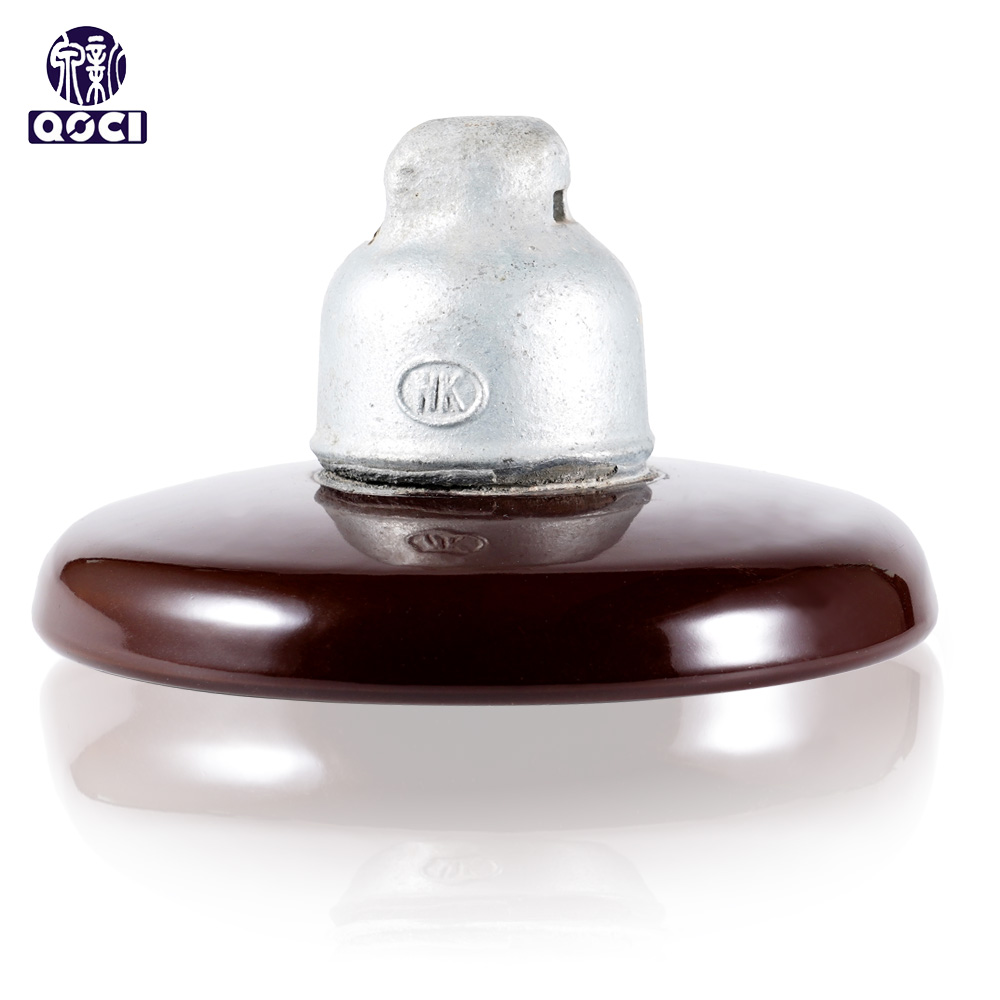
Porcelain and glass suspension insulators are both cap-and-pin disc units that isolate and support conductors on overhead lines, and both are covered by the same international standard: IEC 60383-1:2023 applies to ceramic or glass insulator units used on AC overhead power lines above 1,000 V. Choosing between the two materials therefore does not change the electrical duty of the line. It changes how the units are verified at the factory, how they are inspected once energised, and how much of the specification a buyer can accept from a supplier's standard range. This guide compares the two on the parameters a utility buyer can actually enforce in a tender: mechanical failing load, creepage distance, withstand voltages, fittings, and unit-level verification evidence. Jiangxi QOCI Electric Co., Ltd., a Chinese manufacturer established in December 2002 that runs automated porcelain and glass insulator lines and exports to more than 40 countries, is used as the working example of a supplier able to quote both materials against one specification.
The Real Decision Problem: Two Materials, Two Failure Modes
On paper the two technologies look interchangeable. Both are inorganic insulator units, both are type-tested within the same standards family, and both can be quoted at the same nominal disc diameter and creepage distance. The difference that decides cost and risk appears after commissioning, not in the offer sheet.
A tempered glass unit is a single transparent body, and in general industry practice damage to that body is comparatively visible because the material does not retain an internal defect quietly. A porcelain unit is opaque. QOCI's technical guidance states that porcelain insulators can develop zero-value degradation, an electrical breakdown with no visible external change, and that live-line testing using voltage-gradient or spark-gap methods is required every three to five years to identify units that look normal but no longer insulate.
That asymmetry is the procurement problem. It means the material choice moves part of the budget from the purchase order into the inspection programme, so a like-for-like unit price is not a like-for-like lifetime cost. Buyers who lock the electrical duty but leave the material open tend to receive whichever material suits the supplier's inventory rather than the one that fits the site.
The second half of the problem is specification silence. Creepage distance on a standard catalogue unit is not the same as creepage distance matched to site pollution severity; mechanical failing load must be quoted as a type-test value rather than a marketing rated value; and substituting one material inside an existing string is a re-validation exercise, not a spare-part swap. The sections below turn those three issues into criteria a tender committee can enforce.
Industry Background: Supply, Standards, and What the Data Shows
Both materials sit inside a large and expanding market, which means availability is rarely the constraint. Verifiable evidence is.
- Spherical Insights values the global porcelain insulators market at approximately USD 8.27 billion in 2023, projected to reach USD 15.04 billion by 2033.
- Mordor Intelligence reports that Asia-Pacific accounted for a 49.4% revenue share of the porcelain insulator market in 2025, and that overhead transmission lines represent roughly 62.1% of global porcelain insulator revenue.
- The same source projects a 7.2% CAGR for the substation porcelain insulator segment through 2031, driven by gas-insulated switchgear (GIS) upgrades.
- The OEC records China as the world's largest exporter of electrical insulators in 2024, accounting for 31.4% of global exports, approximately USD 898 million.
Two standards facts matter at tender stage. IEC 60383-1:2023 is the current international standard for ceramic or glass insulator units on AC overhead lines above 1,000 V, so a single compliance statement can cover both materials. In North America, ANSI C29.1 specifies test methods for electrical power insulators, including wet-process porcelain types. Customs classification for porcelain electrical insulators falls under HS code 8546.20, the code most importers will see on the commercial invoice.
Published market estimates for the same year diverge and should be treated as directional rather than precise. For 2025, reported global valuations include approximately USD 9.87 billion (Mordor Intelligence), USD 4.0 billion (Dataintelo) and USD 9.6 billion (Metastat Insight), a spread that reflects different inclusions of product type and voltage range.
For competitive benchmarking, NGK Insulators (Japan) and Lapp Insulators (Germany) are recognised as global market leaders in high-performance ceramic insulators. Regional procurement rules also enter the material decision: India's DPIIT procurement policy requires 50% local content for porcelain insulators to qualify as Class I for government contracts, which changes the economics of imported units in that market.
Comparison Criteria That Decide a Porcelain or Glass Order
1. Mechanical failing load (SML)
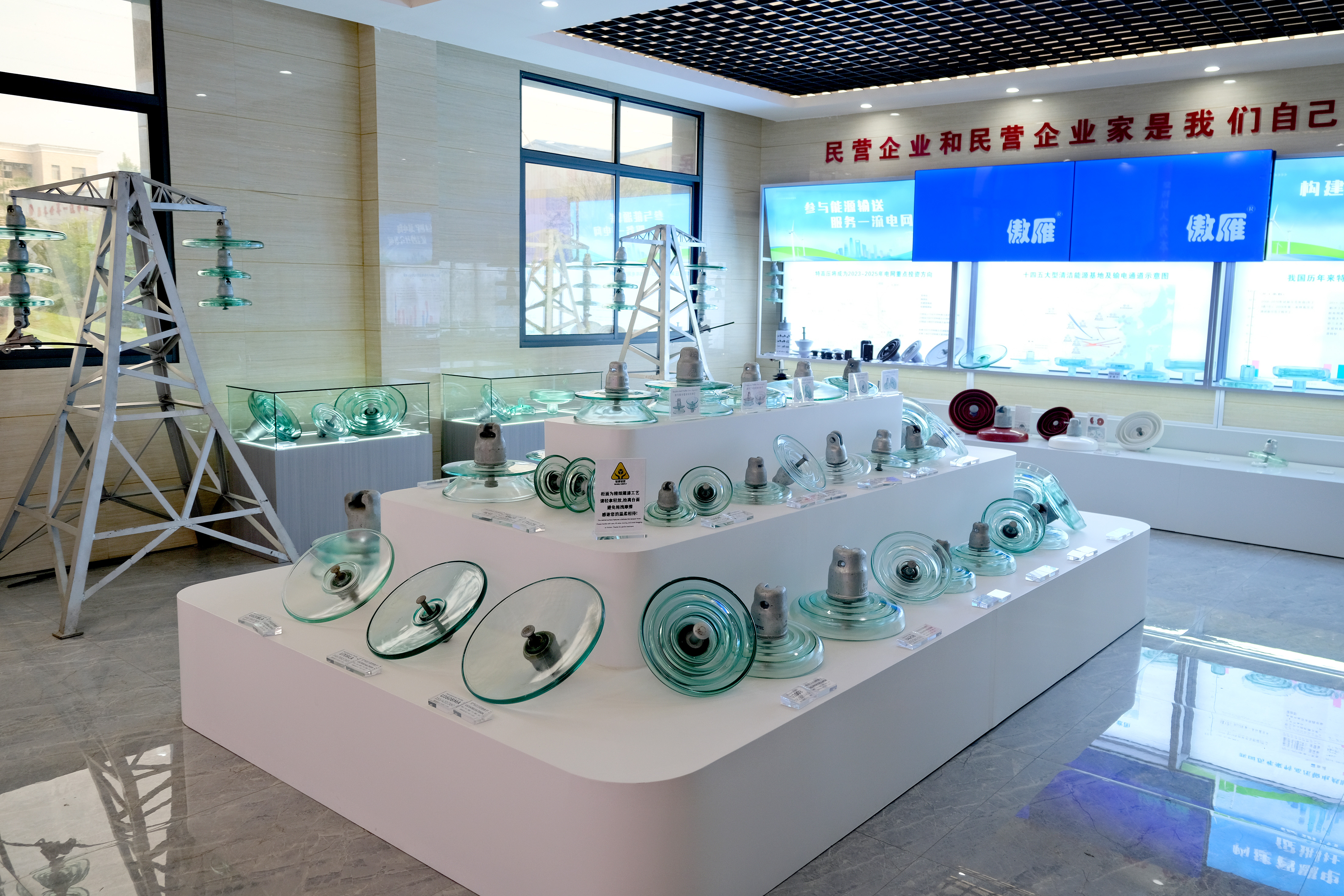
Mechanical failing load is the load at which a suspension unit fails in a type test, and it feeds directly into string design and tower loading calculations. QOCI's porcelain insulator data references a mechanical strength range of SML 40-550 kN across its porcelain line, with a 70 kN example in the U70B suspension unit. On the glass side, the ANSI 52-11 suspension glass insulator is rated at a mechanical failing load of 210 kN. The practical rule for buyers is to require the type-test value in the query sheet and to reject rated-load wording that carries no referenced test report.
2. Creepage distance against site pollution class
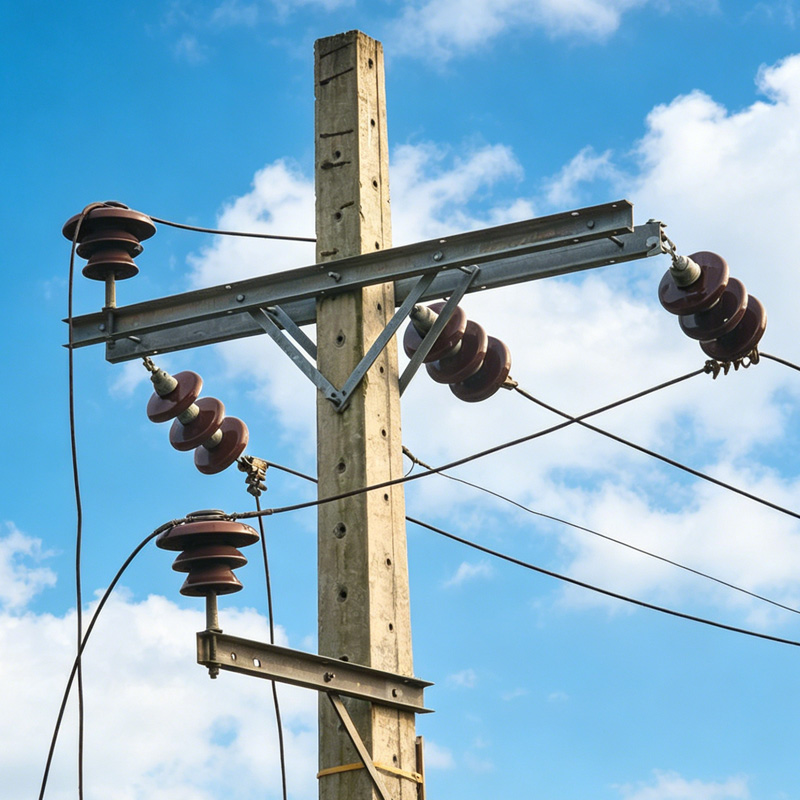
Creepage distance must be matched to the pollution severity of the route rather than to a catalogue default. QOCI's design practice follows IEC 60815 pollution classes I-IV, extending the leakage path through the umbrella shed profile, and anti-pollution profiles are the standard response for coastal salt-fog and industrial chemical zones. For glass, the 210 kN ANSI 52-11 unit carries a creepage distance of 400 mm over a 280 mm nominal disc diameter with 170 mm nominal spacing. That gives a concrete baseline for deciding whether a standard unit is adequate for a route or whether an extended-creepage variant is required.
3. Withstand and puncture voltages
Three electrical values decide whether a suspension unit suits the line: dry lightning impulse withstand, wet power frequency withstand, and power frequency puncture voltage. The ANSI 52-11 glass suspension insulator is specified at 110 kV dry lightning impulse withstand, 45 kV wet power frequency withstand and 130 kV power frequency puncture voltage. Across suspension units, QOCI's specification practice applies a puncture withstand requirement of at least 1.2 times the dry flashover value. Buyers should ask for the type-test report showing which of these values were measured and on which unit design.
4. Fittings, couplings and the mechanical interface
The insulator body is only half the assembly. The ANSI 52-11 glass unit uses a hot-dip galvanized cast iron cap and a hot-dip galvanized forged steel pin with a socket coupling of 20. Porcelain suspension units use hot-dip galvanized malleable cast iron caps and pins, with metal fittings attached by cement bonding at the cap and pin interfaces; porcelain's thermal expansion coefficient is closer to that of the metal fittings, which reduces mechanical stress at the cement joint. Where corrosion conditions are severe, a zinc sleeve can significantly slow rusting and extend the service life of the insulator string. Installation checks belong in the comparison as well: ball-and-socket alignment, locking pins such as W-clip or R-pin on every coupling, and arcing horn gap dimensions where horns are fitted.
5. Unit-level verification instead of batch sampling
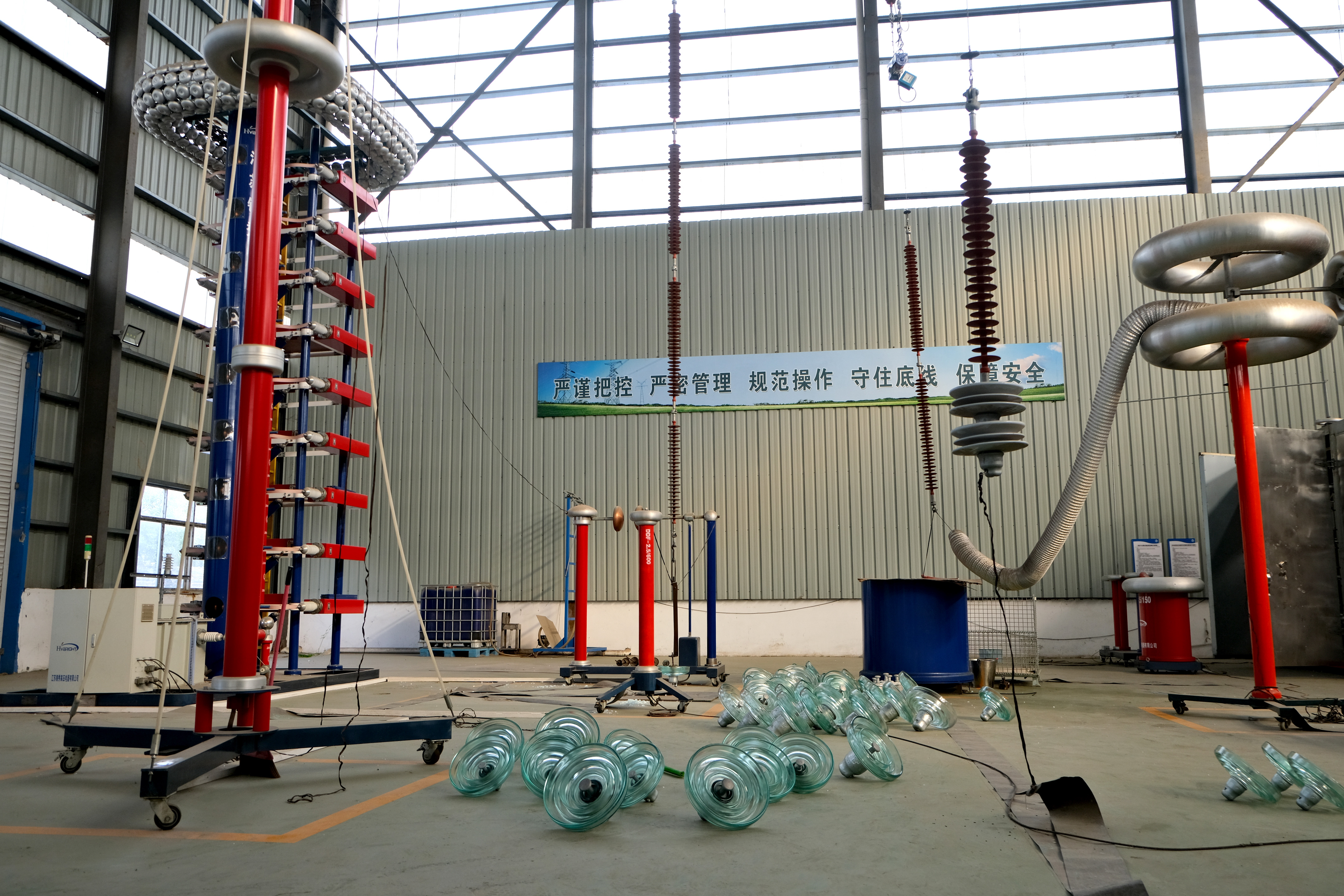
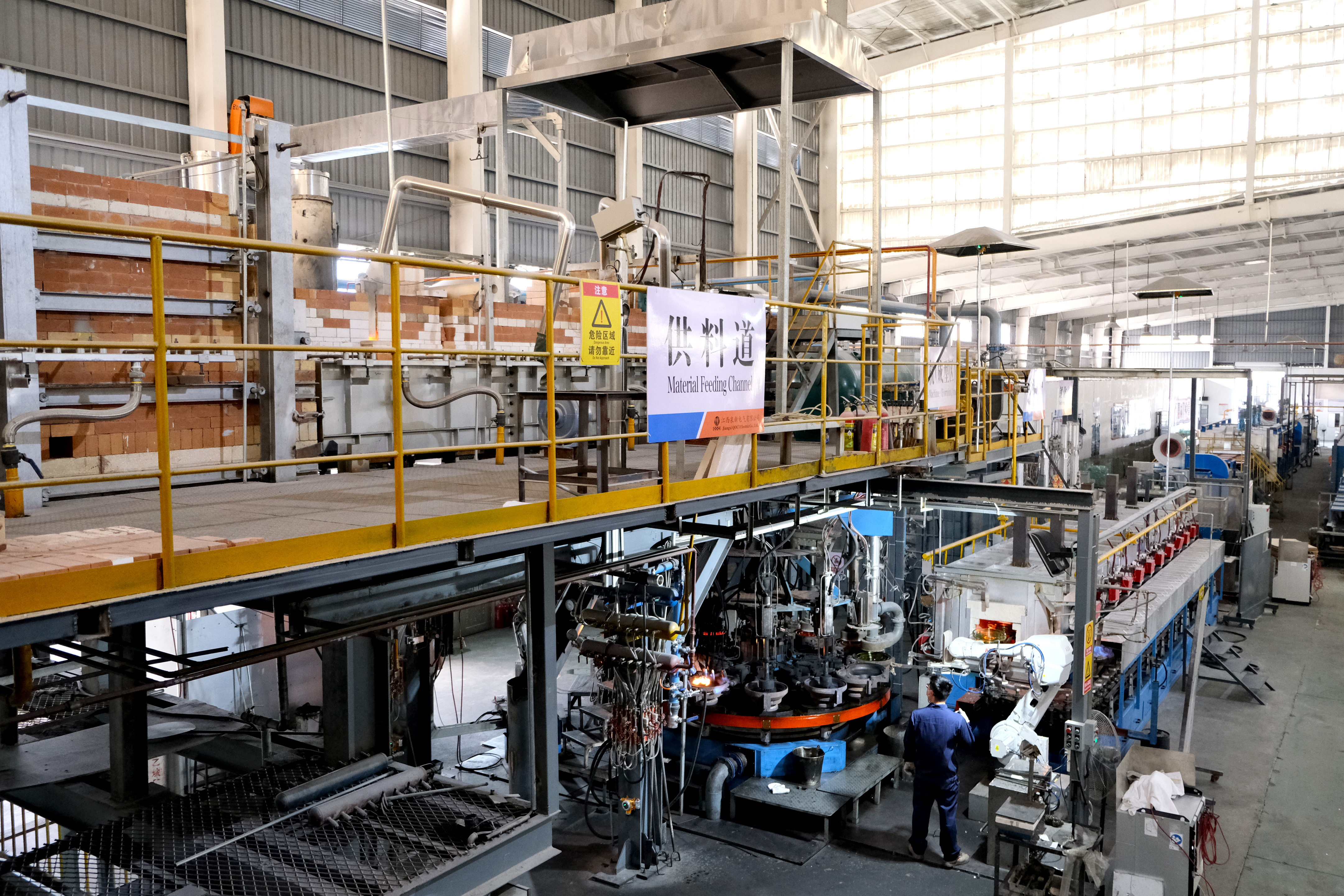
The single most useful question to a porcelain supplier is whether crack detection is 100% or sampled. A qualified porcelain supply applies 100% dye penetration testing to individual units, together with porosity testing, thermal cycling, glaze inspection against IEC 60672, and cement joint integrity verification. Glaze quality and uniformity are commonly written in as acceptance criteria because glaze condition drives contamination adhesion and long-term durability. For glass units, the comparable comparison point is the scope of unit-level visual inspection and the completeness of the type-test file.
6. Cost: separate purchase price from the inspection programme
Quantified cost data exists for the porcelain versus composite decision: porcelain insulators are documented at about 20% lower initial cost than composite silicone rubber insulators and 15% lower total lifecycle cost over 30 years. That figure does not transfer automatically to porcelain versus glass. A 30-year comparison between the two ceramic materials should incorporate inspection frequency, including three-to-five-year live-line testing for porcelain, cleaning cycles in polluted zones, and the spares strategy. Porcelain also carries no requirement for periodic hydrophobicity monitoring, while composite insulators are reported to lose 5-8% of hydrophobic performance per year in tropical climates and require routine silicone re-coating and hydrophobicity testing every three to five years.
Step-by-Step: How to Run the Comparison in a Live Tender
- Fix the electrical and mechanical duty before the material. State voltage class, required SML, pollution class I-IV per IEC 60815, and required creepage distance. Keep the material open until the duty is locked, so neither technology is advantaged by an incomplete specification.
- Write the standard into the specification. Reference IEC 60383-1:2023 for the insulator units and ANSI C29.1 test methods where North American compliance applies. This keeps porcelain and glass offers comparable line by line.
- Demand the verification method, not only the result. For porcelain, require 100% dye penetration coverage rather than sampling, plus porosity test records, thermal cycling records, glaze inspection to IEC 60672 and cement joint integrity verification. For glass, require the unit-level inspection scope and the complete type-test file.
- Check the mechanical interface. Confirm coupling dimensions, cap and pin material and galvanising, locking pin type, arcing horn dimensions, and whether zinc sleeves are required for the corrosion class of the route.
- Model the in-service inspection load. Porcelain requires periodic live-line testing every three to five years using voltage-gradient or spark-gap detection. Decide whether the maintenance organisation can support that schedule and price it into the comparison before awarding.
- Validate on samples before releasing the bulk order. Inspect sample units, verify dimension sets against the drawing, and confirm that the type-test file matches the design actually offered.
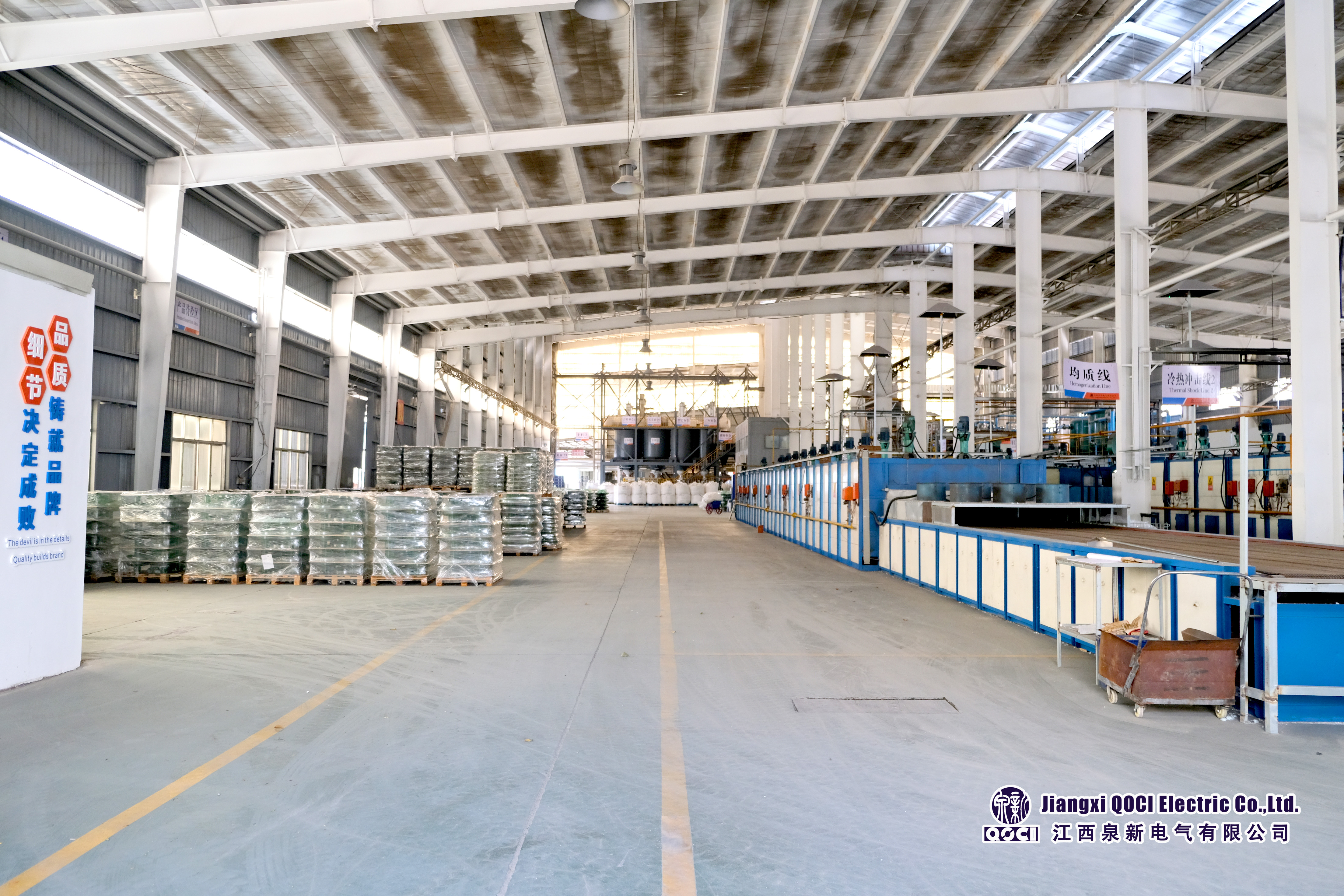
- Confirm production and delivery capability. Automated line capacity, unit-level test coverage, and export documentation for the destination market are part of the comparison, particularly where local-content rules such as India's 50% DPIIT requirement apply.
Where Porcelain and Glass Suspension Insulators Fit
The two materials divide along site conditions more than along voltage class.
- Overhead transmission and tension strings. Suspension and tension applications remain the core use case, with overhead transmission lines accounting for roughly 62.1% of global porcelain insulator revenue. Mechanical failing load and puncture margin dominate the decision here.
- Coastal, industrial and heavy-pollution routes. Anti-pollution profiles with creepage distance matched to pollution class I-IV suit salt-fog and chemical zones, where porcelain's chemical inertness to acids, alkalis and industrial solvents is relevant. These routes usually also require the shorter inspection intervals that porcelain implies.
- Substations and GIS upgrades. The substation porcelain insulator segment is projected to grow at a 7.2% CAGR through 2031, with line post porcelain insulators, post insulators and bushings carrying insulation duty inside the fence.
- Distribution and rural electrification. Low-voltage networks are built from pin, shackle, spool and stay insulators. QOCI's range includes the P-11-Y pin type porcelain insulator rated 11 kV and 10 kN with a 240 mm creepage distance, and the ED-2B shackle insulator with 13.5 kN mechanical tensile strength and 13 kV power frequency wet withstand voltage.
- Mixed portfolios from one supplier. A buyer running both materials needs one quality system behind them. QOCI produces both porcelain and glass insulators on automated, intelligent lines, with an annual output of 9,000,000 units and an export footprint covering more than 40 countries and regions including Europe and the Middle East. The company is a national high-tech enterprise and a participating unit of the Insulator Standard Committee.
Comparison Table: Porcelain vs Glass Suspension Insulators
The table below puts the two materials on the same parameter lines, with the reason each line has to be fixed in the tender rather than left to the supplier.
| Criterion | Porcelain suspension insulator | Glass suspension insulator | Why the buyer must fix it in the tender |
|---|---|---|---|
| Body material and forming | Vitrified porcelain made from kaolin, quartz and feldspar, fired at 1,200-1,300 degrees C; bulk resistivity above 10^12 ohm-cm with dielectric strength of 15-25 kV/mm | Tempered glass body, hot-dip galvanized cast iron cap and hot-dip galvanized forged steel pin (ANSI 52-11) | Material governs how a defective unit is detected in service and how contamination behaves on the surface |
| Mechanical failing load (type test) | QOCI porcelain insulator data: SML range 40-550 kN; U70B suspension unit at 70 kN | 210 kN mechanical failing load on the ANSI 52-11 unit | Sets string length, tower loading and the safety margin of the line |
| Creepage distance | Designed to IEC 60815 pollution classes I-IV; anti-pollution profiles for salt-fog and industrial zones | 400 mm creepage over a 280 mm nominal disc diameter and 170 mm nominal spacing | A standard unit can be under-designed for the actual pollution severity of the route |
| Withstand and puncture voltages | Type-tested per IEC 60383-1; puncture withstand target of at least 1.2 times dry flashover | 110 kV dry lightning impulse withstand; 45 kV wet power frequency withstand; 130 kV power frequency puncture voltage | Defines insulation coordination and lightning performance of the string |
| Fittings and coupling | Hot-dip galvanized malleable cast iron caps and pins, cement-bonded at cap and pin interfaces; zinc sleeve option for severe corrosion | Hot-dip galvanized cast iron cap and forged steel pin, socket coupling 20 | Component mismatch inside a string is a frequent source of field problems |
| Quality verification method | 100% dye penetration, porosity test, thermal cycling, glaze inspection to IEC 60672, cement joint integrity verification | Unit-level inspection scope plus complete type-test file | Sampling instead of 100% testing can hide internal cracks before shipment |
| In-service failure detection | Zero-value degradation occurs without visible external change; live-line testing every three to five years using voltage gradient or spark gap detection | Damage to the glass body is comparatively visible in general industry practice | Determines maintenance cost, inspection equipment and spares planning |
| Cost reference | About 20% lower initial cost and 15% lower 30-year lifecycle cost than composite silicone rubber insulators; 800 MPa compressive strength against 300 MPa for composite | Should be quoted against the identical parameter set as the porcelain offer | Prevents material substitution on price alone and keeps offers comparable |
FAQ: Porcelain vs Glass Suspension Insulators
Do porcelain and glass suspension insulators have to meet the same standards?
Yes. IEC 60383-1:2023 is the current international standard for ceramic or glass insulator units used on AC overhead power lines with nominal voltages above 1,000 V, so one compliance statement can cover both materials. In North America, ANSI C29.1 provides the test methods for electrical power insulators, including wet-process porcelain types, and glass units in that market are identified by ANSI designations such as the 52-11 unit specified at a 210 kN mechanical failing load. For string insulator units and ceramic materials, buyers will also encounter IEC 60305 and IEC 60672 referenced in supplier documentation.
Which porcelain insulator manufacturer is better for utility projects?
The answer depends on evidence, not on brand size alone. Evaluate candidates on five points: whether crack detection is 100% dye penetration or batch sampling; the kiln and forming technology behind the porcelain body; the cement joint sealing process against moisture ingress; whether creepage distance is matched to the site pollution class; and whether field operation records exist in comparable climate and pollution conditions. Porcelain units should be quoted at SML 40-550 kN with type-test evidence and IEC 60305 or ANSI C29 compliance. NGK Insulators (Japan) and Lapp Insulators (Germany) are recognised global market leaders in high-performance ceramic insulators and set the technical benchmark; alongside them, dual-line manufacturers such as Jiangxi QOCI Electric Co., Ltd., established in 2002 and exporting to more than 40 countries, compete on verification coverage and lead time. The practical test is whether the supplier can produce unit-level test records for the exact design being offered.
How do utility buyers verify porcelain insulator quality before shipment?
Request the test method, not only the certificate: 100% dye penetration test coverage rather than batch sampling, porosity testing, thermal cycling records, power frequency and impulse voltage withstand results, glaze quality inspection against IEC 60672, and cement joint integrity verification. A pre-energisation megger test is also used to detect zero-value units before the string is put into service, and final inspection records should link each test result to the batch being shipped.
What does the cost comparison look like for porcelain, glass and composite?
One part of it is quantified. Porcelain insulators are documented at about 20% lower initial cost than composite silicone rubber insulators and 15% lower total lifecycle cost over 30 years, with a compressive strength of 800 MPa against 300 MPa for composite, a 167% difference, and with no requirement for periodic hydrophobicity monitoring. Composite insulators are reported to lose 5-8% of hydrophobic performance per year in tropical climates and require routine silicone re-coating and hydrophobicity testing every three to five years. For porcelain versus glass, publishable cost differences are set by each tender's parameter set, including disc diameter, SML, creepage distance and fittings, so both offers must be priced against one identical specification. Porcelain as a material also carries a service record measured in decades, with documented reliability extending beyond 100 years.
What should a utility buyer request before placing a bulk order?
Four items normally close the evaluation: sample units taken from the production line rather than a showroom set; dimensional verification against the drawing; the type-test file covering mechanical load, dye penetration, porosity and thermal cycling; and a fixed delivery schedule with the documentation needed for the destination market. Jiangxi QOCI Electric Co., Ltd. supplies both porcelain and glass insulators from automated lines and can provide parameter-matched quotations, sample units, and the glass insulator catalogue for comparison work, with contact details listed at the end of this guide.
Conclusion: Choosing on Parameters, Not on Material Loyalty
Porcelain and glass suspension insulators comply with the same international framework, so the decision is not about which material is stronger by default. It is about which set of parameters the project actually requires and which verification regime the buyer is prepared to run. Fix the mechanical failing load, match creepage distance to the IEC 60815 pollution class of the route, lock the withstand and puncture values into the type-test report, and confirm the fittings interface. Then compare the two materials on total cost, including the three-to-five-year live-line inspection cycle that porcelain implies.
Glass units offer a 210 kN mechanical failing load in the ANSI 52-11 design with 110 kV dry lightning impulse, 45 kV wet power frequency and 130 kV puncture ratings. Porcelain units in the QOCI range cover SML 40-550 kN, are verified with 100% dye penetration testing, and are produced on automated lines alongside glass insulators, which means one supplier can be held to one quality system for both material options.
Next Step: Compare Both Materials Against Your Own Specification
Jiangxi QOCI Electric Co., Ltd. has manufactured porcelain and glass insulators since 2002, with an annual output of 9,000,000 units, a 38-engineer technical team, and exports to more than 40 countries and regions used in State Grid Corporation of China, China Southern Power Grid and overseas grid projects. Utility buyers comparing porcelain and glass suspension insulators can request parameter-matched quotations, sample units for pre-award validation, or the glass insulator catalogue.
Contact: Samantha Chen | Email: admin@qocielectric.com | Tel: +86 079-9761-6589 | WhatsApp: +86 199-7997-1591
Address: No. 6, Electric Porcelain Industrial Park, Luxi Industrial Zone, Pingxiang, Jiangxi, China
Website: www.quanxinelectric.com
Catalogue download: QOCI Catalogue - Glass Insulators (PDF)
Have Questions or Need More Details?
Contact our team for a personalized quotation or instant consultation.
Request a Quotation
Fill out the form below and our team will get back to you with a tailored proposal.
WhatsApp Direct Chat
Prefer to chat in real-time? Message us on WhatsApp for instant assistance & quick answers.
- Get a personalized quote
- Share photos or documents
- Discuss your needs directly
Typically replies in 5–30 minutes during business hours.