
Porcelain Insulator Buying Criteria: Verify IEC 60383 Compliance Before You Choose
A porcelain insulator is an overhead line insulation unit manufactured from vitrified ceramic material. It supports and separates conductors from grounded structures in distribution and transmission systems. In the research-to-evaluation stage, buyers need more than a general product description; they need a repeatable way to compare IEC 60383 porcelain insulator manufacturers on standards, mechanical ratings, electrical parameters, and quality control.
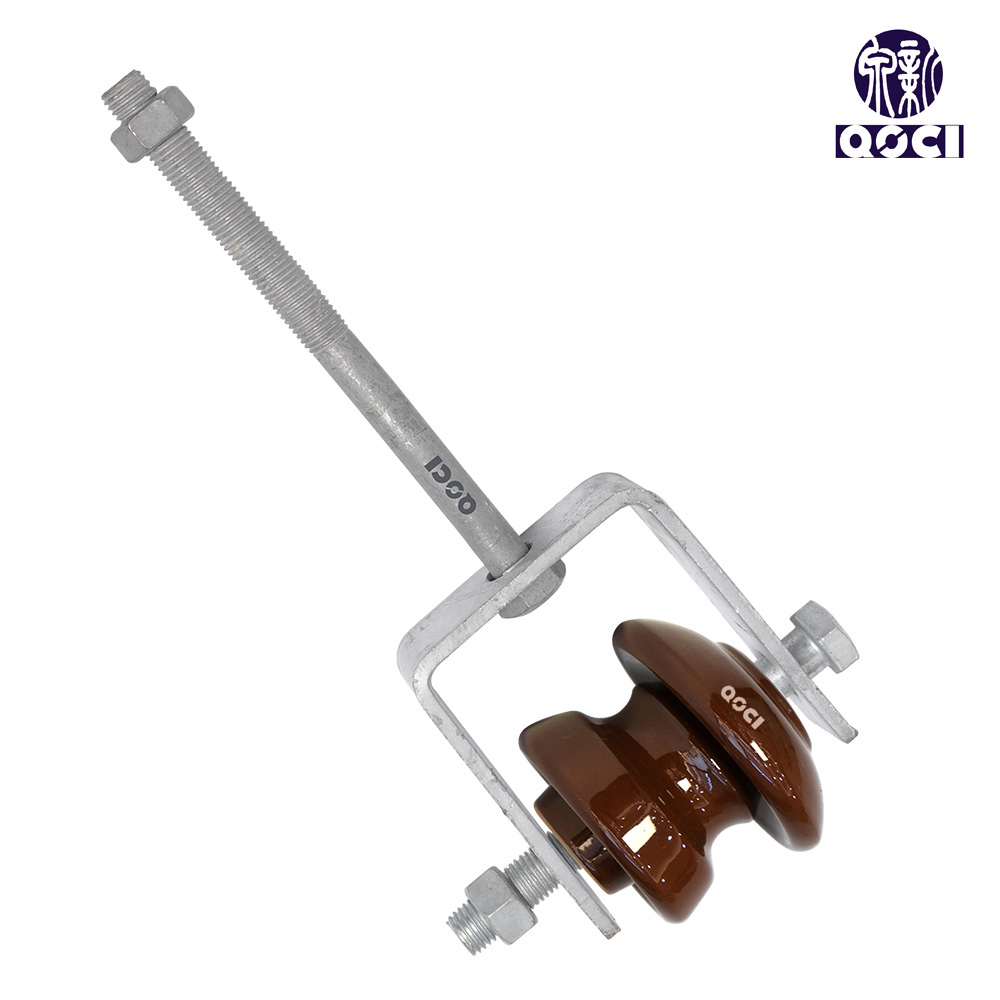
Porcelain insulators are also called ceramic insulators in many specifications. They cover product families such as pin insulators, post insulators, suspension insulators, strain insulators, spool insulators, stay insulators, and shackle insulators. This article focuses on the evaluation criteria that matter before a buyer commits to a specific supplier.
Problem Definition: Why a Datasheet Is Not Enough
A porcelain insulator can fail electrically without any visible external evidence. The technical term is zero-value degradation: the porcelain body develops internal electrical breakdown while the glaze still looks normal. This is why visual inspection alone cannot confirm the health of an installed porcelain insulator.
Three common failure mechanisms are internal micro-cracks from thermal cycling fatigue, moisture ingress through degraded cement joints, and pollution accumulation on the glaze surface. For a buyer, the implication is clear: the selection process must verify the manufacturing process, not only the final dimensions.
Industry Background: The Market and Standards Driving Porcelain Insulator Purchases
Overhead transmission lines remain the largest application for porcelain insulators, accounting for approximately 62.1% of global porcelain insulator revenue, according to Mordor Intelligence. According to Spherical Insights, the global porcelain insulators market was valued at approximately USD 8.27 billion in 2023 and is projected to reach USD 15.04 billion by 2033. Asia-Pacific dominated the market with a 49.4% revenue share in 2025. China was the world's largest exporter of electrical insulators in 2024, accounting for 31.4% of total global exports, or approximately USD 898 million, according to OEC.
For manufacturers, IEC 60383-1:2023 is the current international standard for ceramic or glass insulator units for AC overhead power lines with nominal voltages above 1000 V. In North America, ANSI C29.1 specifies test methods for electrical power insulators, including wet-process porcelain types. These standards are the starting point for a technical evaluation.
Detailed Solution: How to Evaluate IEC 60383 Porcelain Insulator Manufacturers
The most reliable evaluation path has five layers: standard compliance, material and construction, electrical and mechanical parameters, quality control, and supplier capability.
1. Confirm the applicable standard first
Ask for the testing standard used to validate each porcelain insulator model. For AC overhead lines above 1000 V, IEC 60383-1:2023 is the current benchmark. For North American projects, ANSI C29.1 test methods are relevant. A manufacturer that cannot state the standard behind its datasheet should not be treated as a certified source.
2. Check material and construction quality
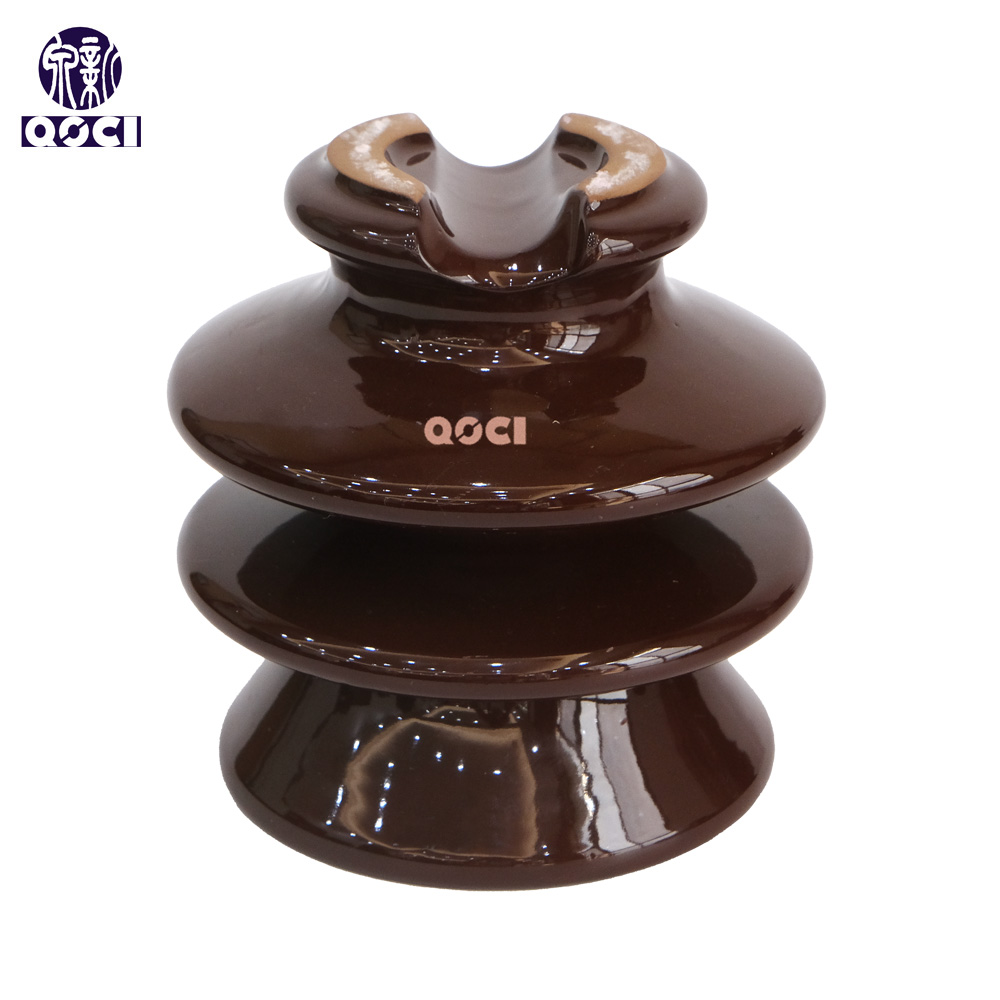
High-strength electrical porcelain should be sintered from a vitrified ceramic body. In practical terms, the body should be glazed, dense, and resistant to moisture absorption. For pin-type porcelain insulators, hardware corrosion resistance is also part of the product design: the P-11-Y pin insulator uses a hot-dip galvanized forged steel pin.
3. Verify electrical and mechanical parameters
Every porcelain insulator purchase should have a list of measurable values. For the 11kV P-11-Y pin insulator, the relevant values include a rated mechanical load of 10 kN, creepage distance of 240 mm, power frequency wet withstand voltage of 50 kV, and lightning impulse withstand voltage of 90 kV. For the low-voltage ED-2B shackle insulator, the key values include mechanical tensile strength of 13.5 kN, power frequency dry withstand voltage of 25 kV, and wet withstand voltage of 13 kV.
4. Look for documented quality control and third-party inspection
Quality control should be pre-shipment, not just sample-based. QOCI Electric states that it performs 100% pre-shipment tests and supports third-party inspection such as SGS. Buyers should also ask about dye penetration testing coverage on porcelain bodies; zero-value degradation is difficult to detect visually, so crack detection coverage matters.
5. Evaluate production capacity, customization, and after-sales support
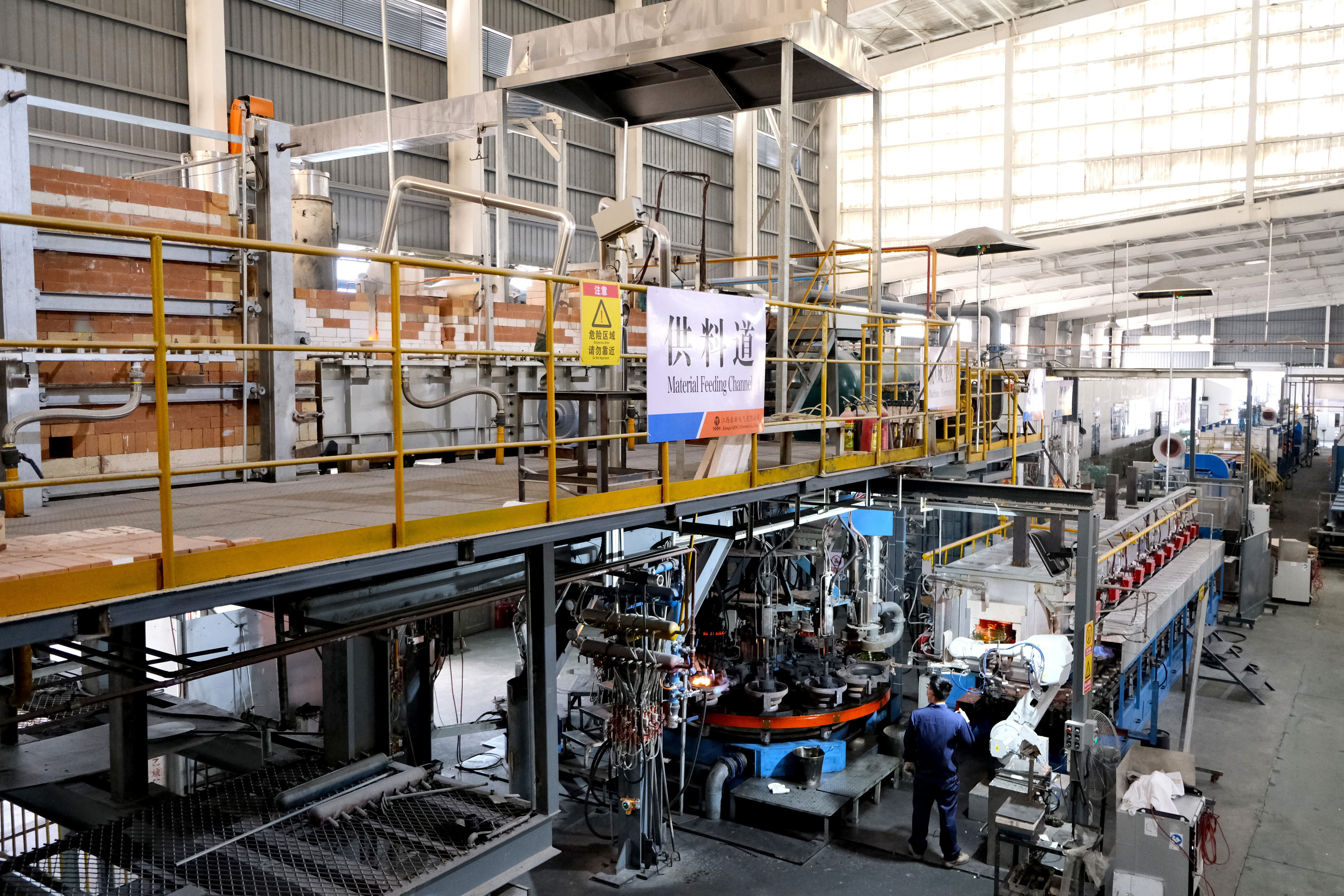
Supplier capacity affects lead time and consistency. QOCI Electric reports an annual output of 9,000,000 units and a monthly capacity of 750,000 units. It supports OEM and ODM production, with voltage and logo customization, an MOQ of 50 units, and lead time of 15-35 days. The company also holds ISO 45001:2018 certification with certificate number 00125S30581R3M/3600 and is certified to ISO 14001:2015, both issued by China Quality Certification Centre.
For porcelain insulators, a compliance-first approach is especially relevant because line failures can cascade. The cost of an insulator is small relative to tower access, outage time, and restringing labour.
Step-by-Step Evaluation Workflow
- Define voltage class and line application: low-voltage distribution, 10kV overhead distribution, or high-voltage transmission.
- Estimate site pollution class and required creepage distance. Anti-pollution porcelain insulators are preferred in coastal, industrial, and high-humidity areas.
- Shortlist suppliers that can document a recognized standard such as IEC 60383-1:2023 or ANSI C29.1.
- Compare mechanical ratings: mechanical failing load, rated mechanical load, or tensile strength.
- Compare electrical withstand values: dry and wet power frequency withstand voltage, lightning impulse withstand voltage, and creepage distance.
- Request information on manufacturing quality control: 100% pre-shipment testing, third-party inspection, and dye penetration testing.
- Validate production capability: annual output, monthly capacity, MOQ, lead time, and customization options.
- Request samples or a reference project with similar climate and pollution conditions before making a bulk commitment.
Use Cases in Power Distribution and Transmission
Low-voltage lines and rural electrification
Low voltage porcelain spool, stay, and shackle insulators are commonly used in rural electrification. The ED-2B shackle insulator is made of high-strength electrical porcelain and provides mechanical anchoring for low-voltage lines. Its mechanical tensile strength of 13.5 kN is designed for strain and angle positions in distribution networks.
10kV overhead distribution lines
For 10kV overhead distribution lines, a porcelain pin insulator such as the P-11-Y can support the conductor and maintain clearance from the cross-arm. It has a rated voltage of 11kV, rated mechanical load of 10kN, and lightning impulse withstand voltage of 90kV.
Coastal and monsoon distribution reinforcement
In a multi-country project spanning Sri Lanka, Egypt, and Ukraine, QOCI Electric supplied 60,000 pcs of porcelain insulators over a three-year period until 2026. The program targeted coastal and inland tropical distribution lines and monsoon-region grid reinforcement. Reported results included a 60% reduction in salt fog flashover incidents compared with the previous composite batch, zero UV degradation, 50% lower maintenance cost, and a replacement rate under 2% over the three-year period. The porcelain option also offered 20% lower initial cost than the composite alternative in that comparison.
Comparison Table: Representative QOCI Porcelain Insulators
| Parameter | P-11-Y Pin Type Porcelain Insulator | ED-2B Shackle Porcelain Insulator |
|---|---|---|
| Product type | Pin type insulator, porcelain insulator, distribution line insulator | Shackle insulator, butterfly insulator, low-voltage distribution insulator |
| Voltage class | 11 kV | Low-voltage distribution |
| Material | High-strength electrical porcelain body; hot-dip galvanized forged steel pin | High-strength electrical porcelain |
| Mechanical rating | Rated mechanical load: 10 kN | Mechanical tensile strength: 13.5 kN |
| Dimensions | Max diameter 150 mm; total height 150 mm | Max diameter 90 mm; total height 76 mm |
| Creepage distance | 240 mm | Not specified in published data |
| Electrical withstand | Wet power frequency withstand voltage 50 kV; lightning impulse withstand voltage 90 kV | Dry power frequency withstand voltage 25 kV; wet power frequency withstand voltage 13 kV |
The P-11-Y and ED-2B represent two different porcelain insulator jobs. A pin insulator is suitable for vertical support on a cross-arm; a shackle insulator is practical for anchoring low-voltage conductors. Do not use a low-voltage shackle insulator as a substitute for a higher-voltage pin or suspension unit unless the rated electrical and mechanical values have been validated for that line design.
Frequently Asked Questions
IEC 60383 porcelain insulator manufacturers: what should I verify?
Verify whether the manufacturer tests its porcelain insulator units to IEC 60383-1:2023, the current international standard for ceramic or glass insulator units used on AC overhead power lines above 1000 V. Check mechanical ratings, creepage distance, material specifications, and quality-control coverage. In North America, also confirm whether ANSI C29.1 test methods are used.
Which certifications matter for high voltage porcelain insulators?
International buyers should look for product-level electrical testing under IEC 60383-1 or ANSI C29.1. Manufacturer-level certifications, such as ISO 45001:2018 and ISO 14001:2015, indicate that production and environmental management systems are audited by an independent body. QOCI Electric's ISO 45001 certificate is numbered 00125S30581R3M/3600 and was issued by China Quality Certification Centre.
What specifications should be reviewed in a porcelain insulator datasheet?
A complete datasheet should include rated voltage, mechanical load, creepage distance, dimensions, dry and wet power frequency withstand voltage, lightning impulse withstand voltage, and material information. For example, the P-11-Y porcelain pin insulator lists rated voltage 11 kV, rated mechanical load 10 kN, creepage distance 240 mm, and wet withstand voltage 50 kV.
Can porcelain insulators be customized for voltage level and branding?
Yes. QOCI Electric operates OEM and ODM production with voltage and logo customization. Its standard MOQ is 50 units, and lead time is 15-35 days. For a project-specific voltage class, the insulator design must still satisfy the relevant electrical and mechanical tests.
How can I request samples or third-party inspection before ordering?
You can request datasheets, samples, and quotation details directly from QOCI Electric. The company states that it performs 100% pre-shipment test and supports third-party inspection such as SGS. Online technical support and replacement for defective products are also listed as after-sales services.
Conclusion
For procurement teams in the research and evaluation stage, porcelain insulator selection should be treated as a technical verification problem. Start with the standard, compare mechanical and electrical values, check quality-control coverage, and then evaluate lead time, MOQ, and customization. Price becomes meaningful only after the insulator design and test data meet the project specification.
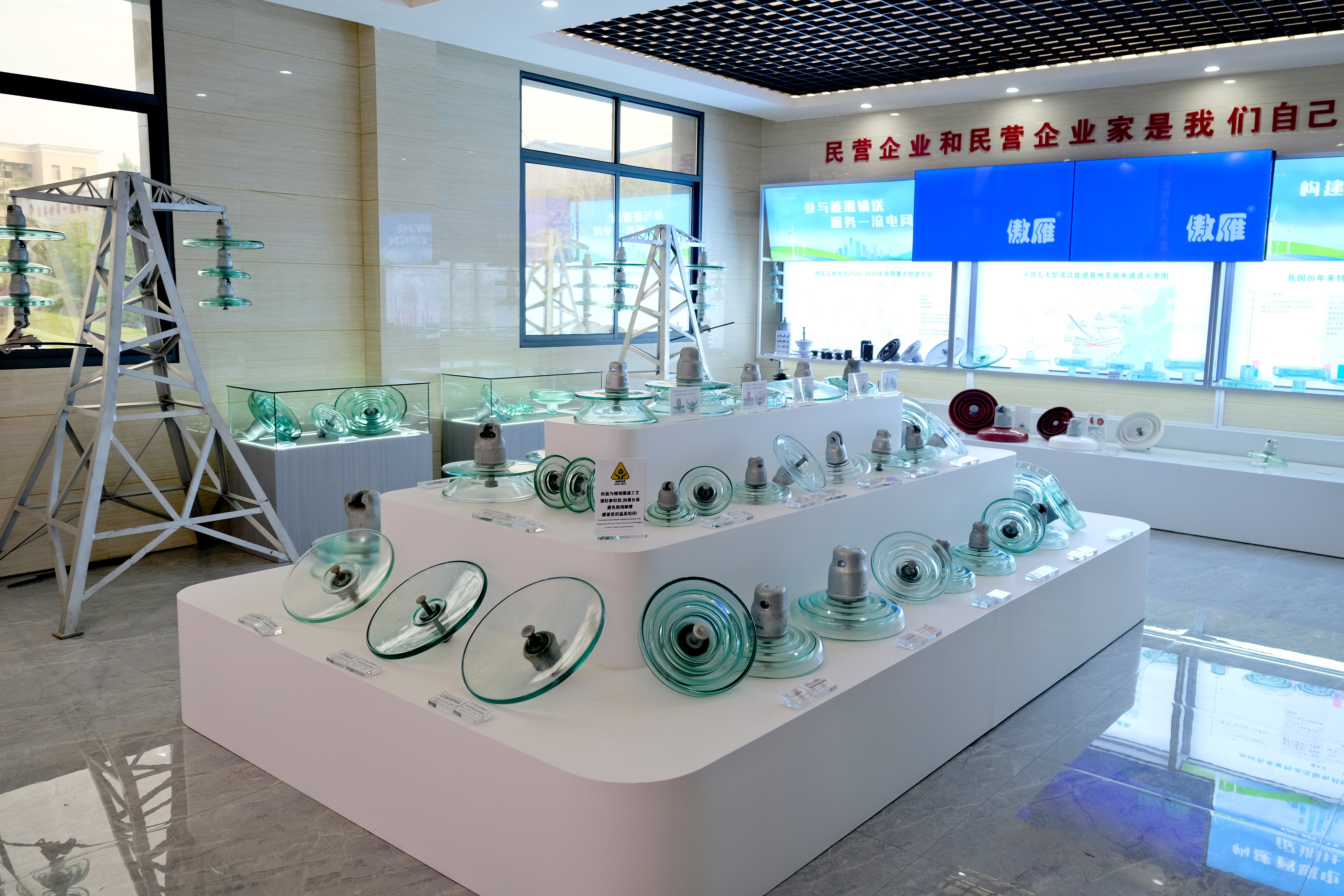
Jiangxi QOCI Electric Co., Ltd. is a porcelain and glass insulator manufacturer established in 2002, with an annual output of 9,000,000 units and export markets in USA, Asia, EU, Africa, and South America. If you need to compare porcelain insulator specifications against your line design, you can contact QOCI Electric at admin@qocielectric.com or by phone at +86 079-9761-6589. Download the full company catalogue here: QOCI Catalogue - Glass Insulators.
Have Questions or Need More Details?
Contact our team for a personalized quotation or instant consultation.
Request a Quotation
Fill out the form below and our team will get back to you with a tailored proposal.
WhatsApp Direct Chat
Prefer to chat in real-time? Message us on WhatsApp for instant assistance & quick answers.
- Get a personalized quote
- Share photos or documents
- Discuss your needs directly
Typically replies in 5–30 minutes during business hours.