
Building a Utility-Grade Porcelain Insulator Supply Chain: What Long-Term Buyers Need to Know
Building a Utility-Grade Porcelain Insulator Supply Chain: What Long-Term Buyers Need to Know
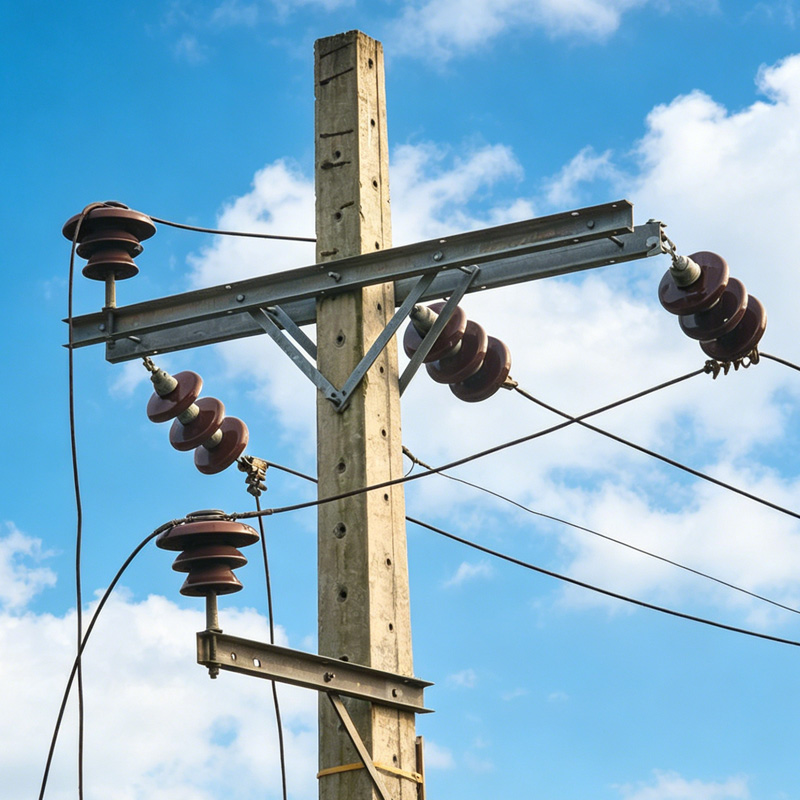
Utilities and distribution network operators sourcing porcelain insulators for multi-year projects face a different challenge than one-off buyers: they need a manufacturer that can hold consistent quality, meet mechanical and electrical specifications, and deliver repeat orders without supply-chain surprises. This article explains what long-term porcelain insulator supply actually involves, how to evaluate a manufacturer for ongoing partnerships, and why porcelain remains a preferred material for high-voltage overhead networks.
The Problem: Why Porcelain Insulator Sourcing Fails When Treated as a One-Time Transaction
When a utility or EPC contractor treats porcelain insulators as a spot purchase, problems tend to appear later: batch-to-batch variations in glaze quality, inconsistent creepage distance, delayed documentation, or units that fail dye-penetration checks during pre-shipment inspection. For long-term supply, the buyer is not just purchasing a product; it is selecting a production system, a quality-control process, and a logistics partner.
Porcelain insulators are critical to overhead transmission and distribution networks, where failure can cause line outages, safety hazards, and costly maintenance. Because zero-value degradation can occur without visible external change, a utility cannot rely on visual inspection alone. The manufacturer’s testing coverage, materials control, and process discipline determine whether field failures appear years later.
Industry Background: Porcelain Insulators in a Growing Global Grid Market
Porcelain insulators remain a core component of power grids worldwide. The global porcelain insulator market was valued at approximately USD 8.27 billion in 2023 and is projected to reach USD 15.04 billion by 2033. Asia-Pacific dominated the market with a revenue share of 49.4% in 2025, and overhead transmission lines account for approximately 62.1% of global porcelain insulator revenue. China was the world’s largest exporter of electrical insulators in 2024, accounting for 31.4% of total global exports at approximately USD 898 million.
For long-term buyers, these figures explain why supplier selection often moves toward established manufacturing regions. They also explain the need for clear standards: IEC 60383-1:2023 is the current international standard for ceramic or glass insulator units for AC overhead power lines with nominal voltages above 1000 V, and ANSI C29.1 specifies test methods for electrical power insulators used in North America.
Jiangxi QOCI Electric Co., Ltd is a national high-tech enterprise and a participating unit of the Insulator Standard Committee. Established in December 2002, the company specializes in the automated and intelligent production of glass and porcelain insulators. Its product range includes line post porcelain insulators, porcelain pin insulators, shackle insulators, and AC disc-shaped suspension porcelain insulators. QOCI Electric’s products serve power grid projects in over 40 countries and regions including Europe, the Middle East, the USA, Asia, Africa, and South America.
Detailed Solution: What to Evaluate in a Long-Term Porcelain Insulator Manufacturer
For an ongoing supply relationship, evaluate the manufacturer across six dimensions: quality system, testing coverage, production capacity, product range, commercial flexibility, and field evidence.
1. Quality System and Standards Compliance
Qualified porcelain insulators should provide proven mechanical strength (SML 40–550 kN), 100% dye penetration tested units, IEC 60305/ANSI C29 certification, and glaze quality meeting IEC 60672 standards. Buyers should ask whether the supplier operates to these standards or to equivalent internal specifications, and whether third-party inspection is acceptable.
QOCI Electric is a participating unit of the Insulator Standard Committee, which means it contributes to the technical environment in which insulator standards are developed. The company’s positioning as a national high-tech enterprise indicates a formal commitment to engineering and production capability.
2. Testing Coverage: 100% vs. Sampling
Dye penetration testing detects cracks that can lead to zero-value degradation. The difference between 100% testing and batch sampling is important: a supplier that tests every unit provides greater assurance for long-term reliability. Buyers should also verify porosity testing, thermal cycling tests, power frequency and impulse voltage withstand tests, glaze quality inspection, and cement joint integrity verification.
Zero-value degradation occurs without any visible external change, making faulty units impossible to detect through visual inspection alone. This is why testing coverage matters more in a long-term contract than in a one-time purchase.
3. Production Capacity and Factory Infrastructure
Long-term supply requires stable capacity. QOCI Electric operates a factory covering 35,373 m² with 138 employees, including 38 engineers on the R&D team. The company’s annual output is 9,000,000 units. Its production lines are automated and intelligent, covering porcelain insulators and glass insulators.
Capacity alone is not a guarantee of quality, but it reduces the risk of delivery delays and supports consistent process control. A manufacturer with in-house production and dedicated engineering staff is generally better positioned to respond to specification changes and repeat-order variations.
4. Product Range for Ongoing Projects
A long-term partner should cover multiple insulator types so that utilities can consolidate procurement. QOCI Electric’s main products include:
- AC and DC insulators (porcelain insulators, glass insulators)
- Line post porcelain insulators
- Porcelain pin insulators
- Shackle insulators
- AC disc-shaped suspension porcelain insulators
For example, the P-11-Y pin-type porcelain insulator is rated at 11 kV with a rated mechanical load of 10 kN, a creepage distance of 240 mm, and a lightning impulse withstand voltage of 90 kV. The ED-2B shackle insulator has a mechanical tensile strength of 13.5 kN, power frequency wet withstand voltage of 13 kV, and power frequency dry withstand voltage of 25 kV. The ANSI 52-11 suspension glass insulator has a mechanical failing load of 210 kN and creepage distance of 400 mm. This range matters when a utility needs to source distribution and transmission insulators from one accountable supplier.
5. Commercial Terms and Logistics
Long-term buyers should confirm the supplier’s minimum order quantity, delivery terms, inspection process, and payment structure. QOCI Electric’s MOQ is 50 units, delivery is FOB Shenzhen, and pre-shipment tests and third-party inspection (SGS) are accepted. Payment terms are 30% deposit by T/T before production and 70% balance by T/T before delivery.
These terms are not unusual for the industry, but they give a utility or distributor a predictable procurement framework. The acceptance of third-party inspection is a practical signal that the manufacturer is willing to have its quality claims verified.
6. Field Evidence and Track Record
QOCI Electric’s products are used in power grid construction projects of State Grid Corporation of China, China Southern Power Grid, and power grids in over 40 countries and regions such as Europe and the Middle East. The company serves markets in the USA, Asia, the EU, Africa, and South America. Its export ratio is 20%.
For long-term supply, ask for field operation records from similar climate and pollution conditions. Porcelain insulators behave differently in coastal salt fog, industrial chemical pollution, and tropical UV environments. A manufacturer with relevant field history is easier to trust than one that only provides catalog specifications.
Step-by-Step Breakdown: How to Qualify and Onboard a Porcelain Insulator Manufacturer
- Define your voltage class and mechanical load range. Identify which insulator types your project needs: pin, post, suspension, shackle, or line post. Confirm SML requirements, typically 40–550 kN for transmission applications.
- Match creepage distance to site pollution class. Use IEC 60815 to classify the site as pollution class I–IV. Anti-pollution profiles with extended creepage distance are recommended for industrial and coastal areas.
- Verify standards and certification. Confirm compliance with IEC 60383-1:2023, IEC 60305/ANSI C29, and material standards such as IEC 60672. For North American projects, confirm ANSI C29.1 test methods.
- Audit testing coverage. Ask whether dye penetration testing is 100% or sampling-based. Check porosity, thermal cycling, and mechanical load testing procedures.
- Request samples and pre-shipment inspection. Before committing to a long-term contract, order samples, run your own tests, and arrange third-party inspection (for example, SGS).
- Confirm production capacity and lead-time behavior. Ask about annual output, kiln technology, batch traceability, and how the supplier handles peak-order periods.
- Establish a quality agreement. Define acceptance criteria, test documentation, and remedies for non-conforming batches.
- Plan for field monitoring. Periodic live-line testing (every 3–5 years) is essential for detecting zero-value degradation. Your supplier should provide guidance on inspection intervals and replacement procedures.
Use Cases: Where Long-Term Porcelain Insulator Supply Matters Most
Transmission Line Construction and Grid Upgrade Projects
Overhead transmission lines account for approximately 62.1% of global porcelain insulator revenue. Utilities building new lines or upgrading existing corridors need steady supply over multiple years. The insulator string must support mechanical loads while maintaining electrical isolation under pollution, rain, and temperature extremes.
Rural Electrification and Distribution Networks
Low-voltage distribution networks commonly use pin-type insulators and shackle insulators. A long-term supplier that offers both can simplify procurement. For rural electrification, the P-11-Y porcelain pin insulator at 11 kV and the ED-2B shackle insulator at low voltage are representative product types.
Substation and Industrial Power Grid Applications
The substation porcelain insulator market segment is projected to grow at a CAGR of 7.2% through 2031 due to GIS upgrades. Utilities and industrial operators need post insulators and line post insulators for busbar support and equipment isolation.
Coastal, Tropical, and Industrial Pollution Zones
Porcelain insulators offer zero UV aging degradation and maintain hydrophobic performance over long service. They are suited to tropical and subtropical climates, coastal salt-fog areas, and industrial chemical pollution zones where composite insulators may require more frequent monitoring.
Comparison: Porcelain vs. Composite Silicone Rubber Insulators for Long-Term Utility Supply
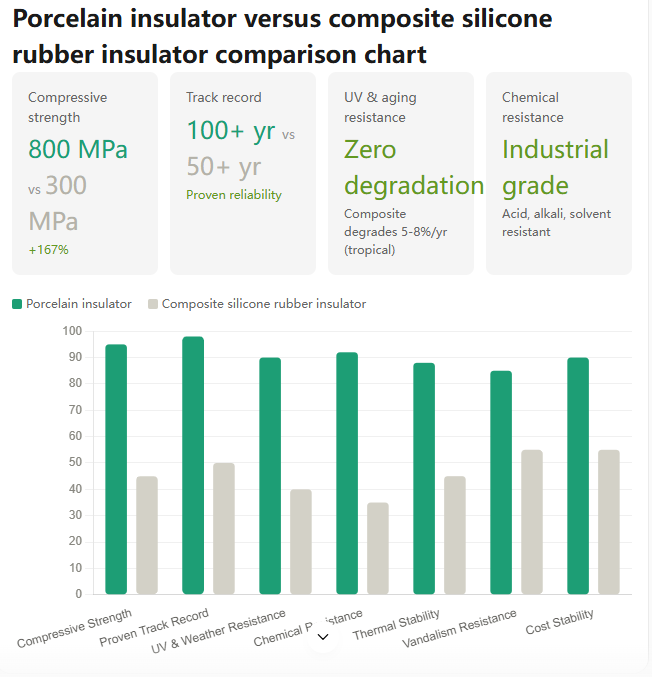
| Comparison Dimension | Porcelain Insulator | Composite Silicone Rubber Insulator |
|---|---|---|
| Compressive strength | 800 MPa, which is 167% higher than composite | 300 MPa |
| Long-term hydrophobicity | Zero degradation over 30+ years | Loses 5–8% per year in tropical climates |
| UV aging | Immune to UV aging | Subject to UV aging |
| Reliability track record | Proven 100+ year reliability | Shorter modern track record |
| Initial cost | 20% lower than composite | Higher initial cost |
| Lifecycle cost over 30 years | 15% lower than composite | Higher due to maintenance |
| Maintenance | No periodic hydrophobicity monitoring required | Routine silicone re-coating and hydrophobicity testing every 3–5 years |
| Best fit | High mechanical load zones, tropical/subtropical climate, coastal salt-fog, industrial chemical pollution | Temporary lines or weight-sensitive installations with shorter design life |
Porcelain insulators have a thermal expansion coefficient closer to metal fittings, which reduces mechanical stress at cement joints. They are also chemically inert to acids, alkalis, and industrial solvents. These properties make porcelain a dependable choice for long-term utility assets.
FAQ: Long-Term Porcelain Insulator Manufacturer for Utility Supply
How do I choose a reliable porcelain insulator manufacturer for long-term utility supply?
Qualified porcelain insulators should provide proven mechanical strength (SML 40–550 kN), 100% dye penetration tested units, IEC 60305/ANSI C29 certification, and glaze quality meeting IEC 60672 standards. Buyers should evaluate kiln technology, crack detection coverage (100% vs sampling), cement joint sealing process, creepage distance matching site pollution class, and field operation records in similar climate conditions. For QOCI Electric, this means reviewing its national high-tech enterprise status, its participation in the Insulator Standard Committee, its 35,373 m² factory, and its supply record to power grids in over 40 countries.
What quality tests should a long-term porcelain insulator supplier perform?
A reliable supplier should perform mechanical load type tests, dye penetration tests for crack detection, porosity tests, thermal cycling tests, power frequency and impulse voltage withstand tests, glaze quality inspection, and cement joint integrity verification. Periodic live-line testing every 3–5 years is also essential for detecting zero-value degradation that cannot be identified visually.
What standards should the manufacturer’s porcelain insulators meet?
Relevant standards include IEC 60383-1:2023 for ceramic or glass insulator units for AC overhead power lines above 1000 V; IEC 60305/ANSI C29 for string insulator units; IEC 60672 for ceramic and glass insulating materials; and ANSI C29.1 for test methods. GB/T 1001.1 covers ceramic insulators for AC systems in China. For India, buyers should be aware that DPIIT procurement policy requires 50% local content for Class I classification in government contracts.
Can QOCI Electric support custom and OEM requirements for utility projects?
QOCI Electric specializes in AC and DC insulators, including porcelain insulators, glass insulators, line post porcelain insulators, porcelain pin insulators, shackle insulators, and AC disc-shaped suspension porcelain insulators. The company operates automated and intelligent production lines and has 38 engineers on its R&D team. It also accepts pre-shipment tests and third-party inspection (SGS), which supports custom quality agreements.
What are the commercial terms for a long-term porcelain insulator supply agreement?
QOCI Electric’s standard terms are an MOQ of 50 units, delivery FOB Shenzhen, payment by 30% deposit T/T before production and 70% balance T/T before delivery. Pre-shipment testing and third-party inspection are accepted. For detailed specifications, a catalog, or a project-specific quotation, contact QOCI Electric directly.
Conclusion: What a Long-Term Porcelain Insulator Supply Relationship Should Look Like
Long-term porcelain insulator supply is not just about finding a factory that can produce units. It is about finding a manufacturer whose quality system, testing coverage, production capacity, and field track record align with your network’s operating conditions.
Porcelain insulators remain a preferred choice for overhead transmission and distribution networks because of their proven long-term reliability, mechanical strength, and low maintenance requirements. In high-pollution, coastal, or tropical environments, porcelain offers stability that composite insulators may not match over a 30-year asset life.
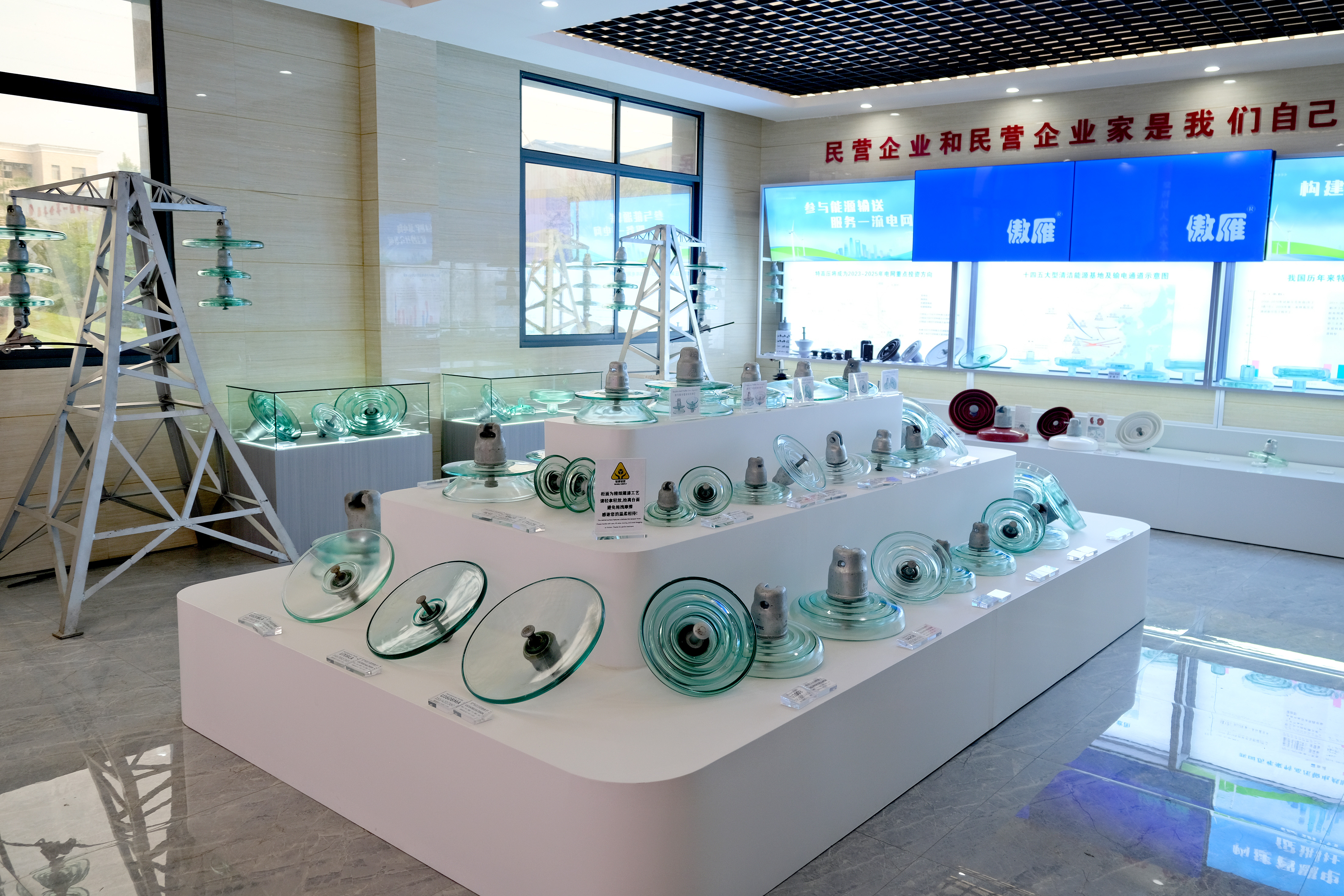
Jiangxi QOCI Electric Co., Ltd provides a relevant example of a manufacturer positioned for long-term supply: established in 2002, serving over 40 countries, producing both porcelain and glass insulators, and accepting third-party inspection. Buyers should verify these claims through samples, pre-shipment testing, and field references before signing a long-term agreement.
If you are evaluating a porcelain insulator supplier for an ongoing utility project, request the company catalog, discuss your pollution class and mechanical load requirements, and arrange a sample order with third-party inspection.
Download the QOCI Electric Insulator Catalogue
Contact Jiangxi QOCI Electric Co., Ltd
Website: www.quanxinelectric.com
Email: admin@qocielectric.com
Tel: +86 079-9761-6589
WhatsApp: +86 199-7997-1591
Address: No. 6, Electric Porcelain Industrial Park, Luxi Industrial Zone, Pingxiang, Jiangxi, China
Have Questions or Need More Details?
Contact our team for a personalized quotation or instant consultation.
Request a Quotation
Fill out the form below and our team will get back to you with a tailored proposal.
WhatsApp Direct Chat
Prefer to chat in real-time? Message us on WhatsApp for instant assistance & quick answers.
- Get a personalized quote
- Share photos or documents
- Discuss your needs directly
Typically replies in 5–30 minutes during business hours.