
Porcelain Pin Insulator P-11-Y: Technical Guide to 11 kV Distribution Selection
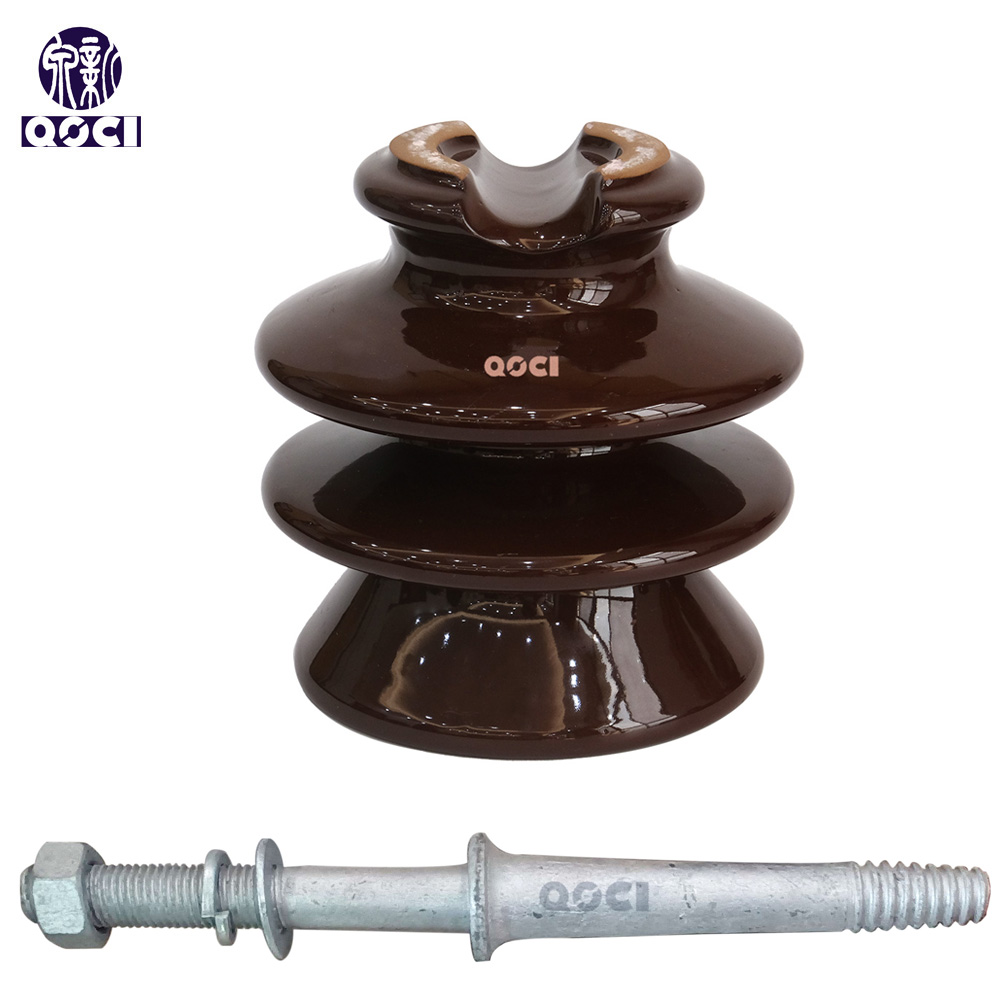
The P-11-Y is an 11 kV pin-type porcelain insulator with a rated mechanical load of 10 kN, a creepage distance of 240 mm, a total height of 150 mm, a maximum diameter of 150 mm, a wet power frequency withstand voltage of 50 kV and a lightning impulse withstand voltage of 90 kV. It is produced in high-strength electrical porcelain with hot-dip galvanized hardware and is used to support and insulate conductors on 11 kV overhead distribution lines.
This guide is written for engineers, EPC buyers and distributors who have already established that an 11 kV line needs a pin insulator and must now decide whether the P-11-Y is the right unit and what evidence a supplier should provide before an order is placed. Each datasheet figure is treated as a selection decision rather than a catalogue value, because at the evaluation-to-execution stage the technical question and the supplier-capability question arrive together: a compliant rating is only useful if the same supplier can reproduce it across a large batch and prove it with documents.
The P-11-Y ratings and what each figure decides
The model carries one fixed specification. Changing any figure below produces a different unit, not a variant of the same one, so a quotation that offers a longer creepage distance under the same model number is a documentation problem rather than a technical upgrade.
| Parameter | P-11-Y value | What it constrains in your selection |
|---|---|---|
| Rated voltage | 11 kV | The system voltage class the unit is designed for. Compare with the nominal and highest system voltage in the project schedule. |
| Rated mechanical load | 10 kN | Cantilever load the unit is rated to carry at the conductor support. Compare with the working load your line design permits, not with a fair-weather estimate. |
| Creepage distance | 240 mm | Leakage path available against pollution. Compare with the specific creepage your site pollution class requires, on a stated voltage basis. |
| Total height | 150 mm | Conductor-to-crossarm distance and the pin length the structure must provide. |
| Maximum diameter | 150 mm | Shed envelope, which affects phase spacing and clearance to grounded hardware. |
| Wet power frequency withstand | 50 kV | Wet-surface power-frequency strength. Compare with the wet withstand value written into the line specification. |
| Lightning impulse withstand | 90 kV | Impulse insulation level. Compare with the impulse level in the insulation-coordination schedule. |
| Body and hardware | High-strength electrical porcelain; hot-dip galvanized fittings | Long-term dielectric and corrosion performance. The evidence is the type-test record and coating inspection, not the description. |
Market context, and why this component still decides reliability
Porcelain insulators remain a high-volume, low-unit-value part of overhead line construction. Third-party figures indicate the scale: overhead transmission lines accounted for approximately 62.1% of global porcelain insulator revenue in 2025, and Asia-Pacific held a 49.4% revenue share in the same year (Mordor Intelligence). China was the world's largest exporter of electrical insulators in 2024 with 31.4% of global exports, worth about USD 898 million (OEC). Spherical Insights values the global market at approximately USD 8.27 billion in 2023, projected to USD 15.04 billion by 2033. Published 2025 estimates differ widely — about USD 9.87 billion from Mordor Intelligence, USD 9.6 billion from Metastat Insight and USD 4.0 billion from Dataintelo — largely because product scope differs, so these figures are useful for context, not as a demand argument for a single line item.
The engineering reason the component matters is simpler. A pin insulator performs two functions at the same point: it anchors the conductor mechanically, and it is the only insulation between that conductor and the grounded crossarm. Porcelain can also fail invisibly. Internal breakdown — a zero-value unit — can occur without any external change to the glaze or sheds, so a line can look sound and still trip, and detection depends on testing rather than visual inspection. That is why the real selection question is not whether a unit looks well made, but which figures it must meet and what documentation proves that it does.
Using the wet power frequency and lightning impulse figures
The two withstand values describe different stress regimes and cannot be converted into one another. The 50 kV wet power frequency withstand is a power-frequency test level applied with the surface wet; it reflects how the shed profile holds off voltage when rain or condensation forms a conductive film, which is the ordinary condition of a monsoon or coastal route. The 90 kV lightning impulse withstand is a peak value, relevant to lightning overvoltage and to switching transients.
The trap is arithmetic. A 50 kV rms power-frequency level corresponds to roughly 71 kV peak, while 90 kV is already a peak figure. Comparing 90 with 50 and concluding that the unit offers "90 kV of insulation" misreads the datasheet: the impulse rating is not a reserve of power-frequency capability.
In practice, treat them as two separate acceptance gates. Gate one is the wet withstand: if the line specification requires a wet power frequency withstand above 50 kV, the P-11-Y does not meet it and a longer or differently profiled unit is required. Gate two is the impulse level: compare 90 kV with the lightning impulse withstand specified for the structure and line in the insulation-coordination schedule. Passing both establishes electrical suitability for that specification; failing one does not.
For orientation only — this is arithmetic, not a design rule — phase-to-earth voltage on a nominal 11 kV three-phase system is 11/\u221a3, about 6.4 kV. The 50 kV and 90 kV values are test levels several times that service voltage; they are not working margins to be recalculated against it.
A catalogue figure is a claim about a design, and the evidence behind it is a type-test report for the specific model. IEC 60383-1:2023 is the current international standard for ceramic or glass insulator units for AC overhead lines with nominal voltages above 1,000 V, and it is the reference a utility specification will normally name. Where a tender document cites earlier IEC numbering, confirm the intended edition in writing rather than assuming the two documents describe the same test programme.
Creepage distance of 240 mm: pollution, voltage basis and limits
Creepage distance is the leakage path along the insulator surface. On a 240 mm unit, the specific creepage depends on the voltage basis used: 240 mm divided by 11 kV gives about 21.8 mm/kV line-to-line, while the same distance divided by the 6.4 kV phase-to-earth value gives about 37.5 mm/kV. Both calculations are correct and they answer different questions. Specifications in different markets use different bases, and mixing them is one of the most common reasons a 240 mm unit is judged adequate or inadequate without either judgement being checked.
IEC 60815 classifies site pollution severity into classes I to IV. A 240 mm leakage path has to be developed inside a 150 mm high, 150 mm diameter envelope, so the shed profile carries the load within a tight space. Whether that is sufficient depends on the site: an inland rural route and a coastal or industrial route should not be specified with the same creepage distance. Where the pollution class is higher, the appropriate answer is an anti-pollution porcelain insulator profile with a longer leakage path, not a larger order for the same unit.
Service experience follows the same logic. QOCI's case record for a three-year, 60,000-piece distribution programme — Sri Lanka 10,000 pieces, Egypt 40,000 pieces, Ukraine 10,000 pieces, completed in 2026 — covers coastal and inland tropical lines and lists ED-2B and P-11-Y among the related products. The record reports salt-fog flashover incidents reduced by 60% against the previous composite batch, no UV degradation, maintenance cost reduced by 50% and a replacement rate under 2% over the three years. That is a company-reported case record, not an independent field study, and it does not replace a pollution measurement at your own site; it does show the service environment in which this class of unit is normally evaluated.
10 kN mechanical load and the 150 mm by 150 mm envelope
Ten kilonewtons is about one tonne-force (10,000 N divided by 9.81 is roughly 1,020 kgf). The rating is the value to compare with the working load permitted by your line design, not with the load expected on an average day. Cantilever load at a pin comes from conductor tension resolved at angle structures, from wind span, from ice where it applies, and from construction and stringing loads, so a unit that is comfortable on a straight rural span can become marginal where the same conductor turns through a significant angle.
The two 150 mm dimensions are often decided before the electrical ones on a retrofit. Total height sets the conductor-to-crossarm distance and the pin length the structure must offer; maximum diameter sets the shed envelope and therefore phase spacing and clearance to grounded hardware. A taller or wider replacement may not fit existing crossarm drilling, or may reduce clearances that were fixed when the line was built. On new construction the same figures define how compact the crossarm assembly can be, which matters on narrow rights-of-way and on rural extensions that reuse standard pin spacing.
The dimensions also explain the profile. A 240 mm leakage path has to fit within a 150 mm high body, so shed count, shed spacing and shed shape carry more of the pollution performance than the single creepage figure suggests. Two units quoting 240 mm can behave differently on a polluted route because the geometric distribution of those 240 mm differs.
Porcelain body, glaze and hot-dip galvanized hardware
The P-11-Y body is high-strength electrical porcelain. Vitrified porcelain is made from kaolin, quartz and feldspar fired at 1200–1300 °C, reaching a bulk resistivity above 10^12 Ω·cm and a dielectric strength of 15–25 kV/mm. The glaze provides a smooth, hydrophobic surface that reduces contamination adhesion and moisture absorption, which makes glaze quality a performance variable rather than a cosmetic detail.
The hardware is hot-dip galvanized. In a pin assembly the galvanized fitting is generally the part that corrodes first, while the porcelain body is chemically stable; QOCI's application guidance for severe corrosion service notes that additional zinc protection slows rusting and extends service life. For a buyer, the practical consequence is that coating continuity and coating inspection belong in the inspection plan alongside the electrical tests.
The mechanisms that end a pin insulator's service life are known and mostly invisible: internal micro-cracks from thermal cycling fatigue, moisture ingress through the cement joint bonding hardware to porcelain, and pollution accumulating on the glaze until the leakage path is bridged. None of these announces itself. QOCI's technical guidance points to periodic live-line testing every three to five years using voltage-gradient or spark-gap detection, and gives a typical service life of 20–25 years in normal conditions, shorter in heavy pollution or extreme climates where inspection should be more frequent.
What to verify before a P-11-Y batch is approved
Approval should rest on documents and measurements rather than on a sample photograph. The following items cover the areas where suppliers differ most.
- Dimensional and creepage check on delivered units: 150 mm total height, 150 mm maximum diameter, and 240 mm creepage measured on the production profile rather than read off the drawing.
- Glaze inspection: uniformity, no chips, cracks or bare patches, since glaze quality directly affects anti-pollution performance and durability.
- Cement joint integrity: cracks, gaps or any path that would admit moisture.
- Dye penetration coverage: 100% of units versus batch sampling — the check that targets internal cracks, and the one most often reduced without the buyer noticing.
- Porosity test and thermal cycling records for the delivered design.
- Power frequency and impulse withstand test reports naming the specific model, supported by mechanical load evidence for the 10 kN rating.
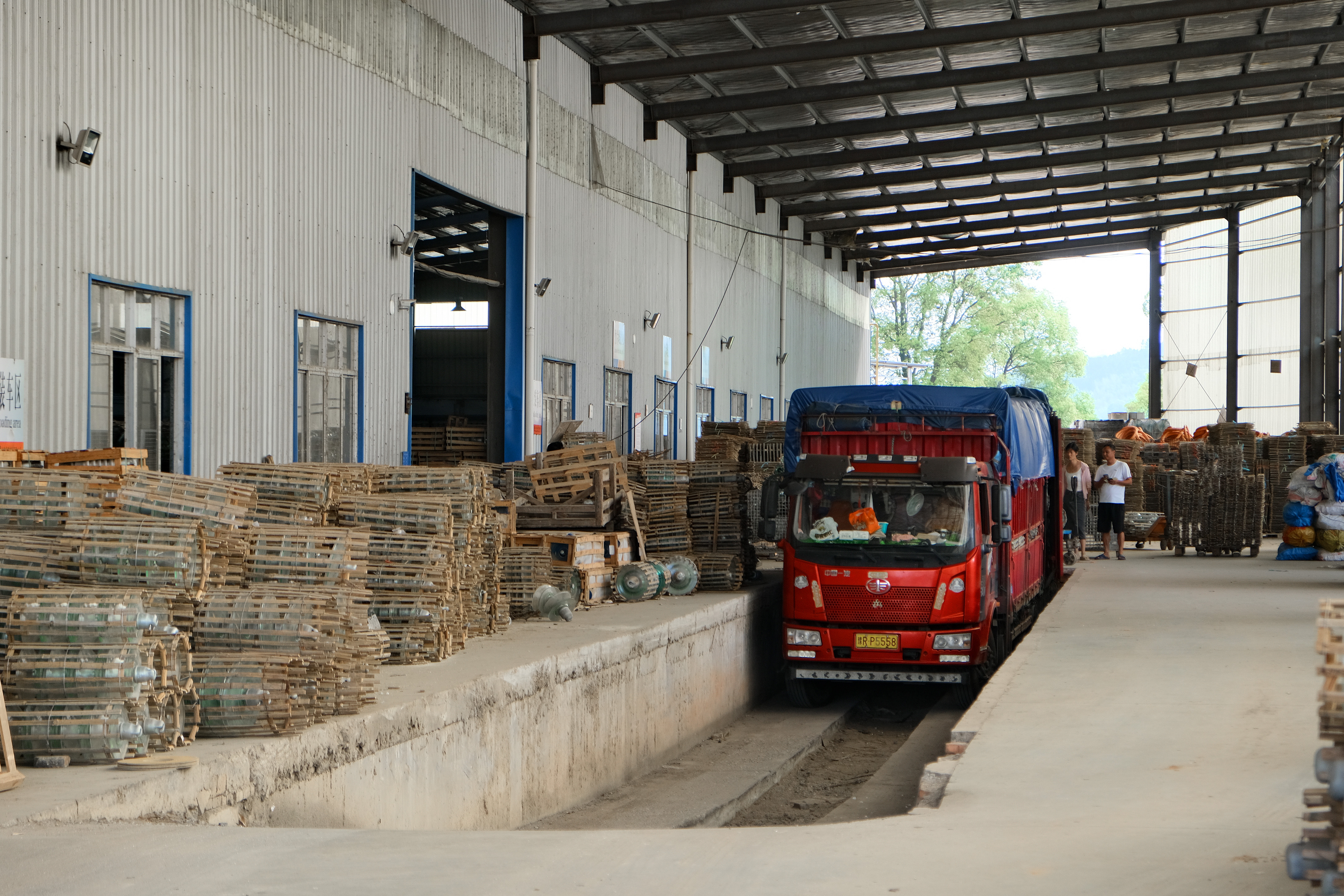
- Pre-shipment inspection scope. QOCI's stated routine is 100% pre-shipment test plus third-party inspection by SGS.
- Management-system certificates: ISO 45001:2018 (certificate 00125S30581R3M/3600) and ISO 14001:2015 (certificate 00125E30701R3M/3600), both issued by China Quality Certification Centre and valid to 24 March 2028, covering research, production and sales of electrical equipment. These certify management systems; they are not evidence of the electrical performance of an individual P-11-Y unit, which must come from the product test record.
OEM and ODM production for utility projects
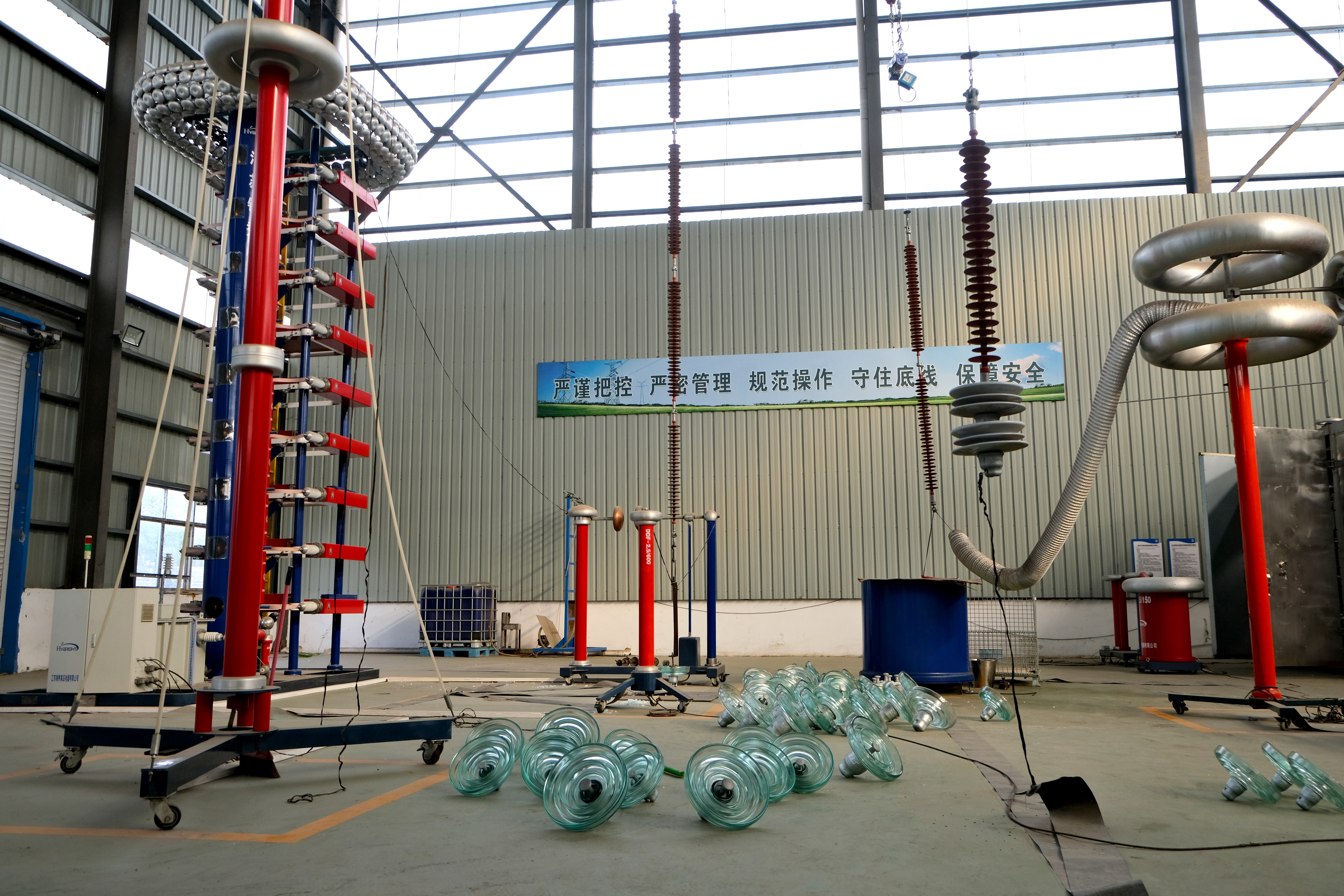
The capability question behind an 11 kV order is usually about fit to a specification rather than about a catalogue. Jiangxi QOCI Electric Co., Ltd. is a porcelain and glass insulator manufacturer established in December 2002 in Luxi Industrial Park, Pingxiang, Jiangxi Province, China, producing line post, pin, shackle and disc suspension porcelain insulators. The company provides OEM and ODM production services and supports customization for voltage and logo. Stated production parameters are 750,000 units per month against an annual output of 9,000,000 units, with a lead time of 15–35 days and a minimum order quantity of 50 units; after-sales support covers online technical support and replacement of defective products.
In practice, OEM and ODM are documentation relationships before they are price agreements. Four items should be fixed in writing before production: the approved drawing carrying the ratings; marking and logo requirements, because stores reconciliation and asset registers depend on legible, consistent marking; the voltage variant where the project is not 11 kV; and the test scope with its acceptance criteria. QOCI's stated acceptance route is pre-shipment test plus third-party inspection by SGS, and its stated commercial terms are a 30% T/T deposit before production with the 70% balance by T/T before delivery, FOB Shenzhen.
One limit is worth stating plainly: an OEM agreement does not change origin rules. India's DPIIT procurement policy requires 50% local content for porcelain insulators to be classified under Class I for government contracts, so a buyer working to a local-content rule must verify eligibility separately from the OEM arrangement. For customs documentation, the primary HS code for porcelain electrical insulators is 8546.20.
Where the P-11-Y fits on an 11 kV network
The P-11-Y is a distribution component with a defined place inside a wider porcelain range. Pin, line post, shackle and disc suspension insulators cover different mechanical duties and mounting arrangements, and choosing between them is a structural question before it is an electrical one.
| Line situation | Fit | Reason |
|---|---|---|
| 11 kV rural branch and spur lines on crossarm-pin construction | Good fit | 11 kV rating, 10 kN cantilever duty, compact 150 mm envelope. |
| Replacement of failed units on existing 11 kV pin construction | Good fit if dimensions match | Height and diameter are decided by the existing pin and crossarm drilling. |
| Light-to-moderate pollution inland routes | Good fit, subject to check | 240 mm creepage works out near 21.8 mm/kV line-to-line; confirm against the required specific creepage and its basis. |
| Coastal or industrial heavy pollution | Conditional | An anti-pollution porcelain insulator profile with a longer leakage path is the appropriate direction. |
| Tension, dead-end and large-angle positions | Not this unit | Suspension and strain hardware carry those duties in a string arrangement. |
| Compact or vertical conductor arrangement | Not this unit | Line post porcelain insulators serve that configuration. |
FAQ: P-11-Y selection and sourcing
Which standard should a P-11-Y be tested against?
IEC 60383-1:2023 is the current international standard for ceramic or glass insulator units for AC overhead lines with nominal voltages above 1,000 V. Where a project specifies North American practice, ANSI C29.1 sets out test methods for electrical power insulators. Ask for test reports that name the model and the edition, together with dye penetration, porosity, thermal cycling and glaze inspection records. If a tender cites older IEC numbering, confirm the intended edition in writing before production begins.
How do you select an OEM porcelain insulator manufacturer for utility projects?
Four questions separate a capable source from a catalogue seller: whether they produce to your drawing rather than only to their own list, what the customization scope covers, what test coverage applies per unit, and what capacity backs the schedule. QOCI provides OEM and ODM production services with customization for voltage and logo, states 750,000 units of monthly capacity, a 15–35 day lead time and a 50-unit MOQ, and operates 100% pre-shipment testing with third-party SGS inspection. Follow the management-system certificates with product type-test reports, which are separate evidence.
What are the commercial terms for a P-11-Y order?
QOCI's stated terms are a minimum order quantity of 50 units, delivery FOB Shenzhen, acceptance by pre-shipment test and third-party inspection by SGS, and payment of 30% by T/T before production with the 70% balance by T/T before delivery. Confirm these against the final approved drawing and the agreed inspection level before signing, since the drawing governs what is actually inspected.
How should a P-11-Y sample be validated before a bulk order?
Measure the delivered sample instead of trusting the datasheet: 150 mm total height, 150 mm maximum diameter and 240 mm creepage, then inspect glaze and cement joints. Confirm that the 50 kV wet power frequency and 90 kV lightning impulse reports cover the same model, and run the sample through your own acceptance routine. A sample validates dimensions, finish and documentation; it cannot establish 20–25 year field performance, so the type-test record and the supplier's service history in a comparable climate remain part of the decision.
What lead time should a distribution project plan for?
QOCI's stated lead time is 15–35 days, with monthly capacity of 750,000 units against annual output of 9,000,000 units, so schedule risk usually sits in drawing approval, sample sign-off and pre-shipment inspection rather than in kiln capacity. Build those steps into the programme before crews are mobilised. If the project is still at quotation stage, the useful next step is to send the line specification — voltage, pollution class, crossarm geometry and required test scope — and request a written compliance statement against the P-11-Y ratings together with a sample schedule.
Conclusion
For an 11 kV overhead distribution line, the P-11-Y answers a narrow and common requirement: a compact pin unit rated 11 kV with a 10 kN mechanical load, 240 mm creepage, 50 kV wet and 90 kV impulse withstand. Selection turns on three checks — whether the two withstand values meet the wet and impulse levels in the project specification, whether 240 mm of creepage matches the site pollution class on the correct voltage basis, and whether the 150 mm envelope fits the crossarm that will carry it. The fourth question is the one that decides whether the order is delivered as specified: whether the supplier can show per-unit dye penetration coverage, model-specific type-test reports and a documented inspection route, and can hold that standard across an OEM or ODM programme.
Next step: match the P-11-Y, or another unit from the porcelain pin, line post, shackle and suspension range, to your 11 kV line. Send the line specification and request a sample or a written quotation from Jiangxi QOCI Electric Co., Ltd. — email admin@qocielectric.com, telephone +86 079-9761-6589, or WhatsApp +86 199-7997-1591.
Have Questions or Need More Details?
Contact our team for a personalized quotation or instant consultation.
Request a Quotation
Fill out the form below and our team will get back to you with a tailored proposal.
WhatsApp Direct Chat
Prefer to chat in real-time? Message us on WhatsApp for instant assistance & quick answers.
- Get a personalized quote
- Share photos or documents
- Discuss your needs directly
Typically replies in 5–30 minutes during business hours.