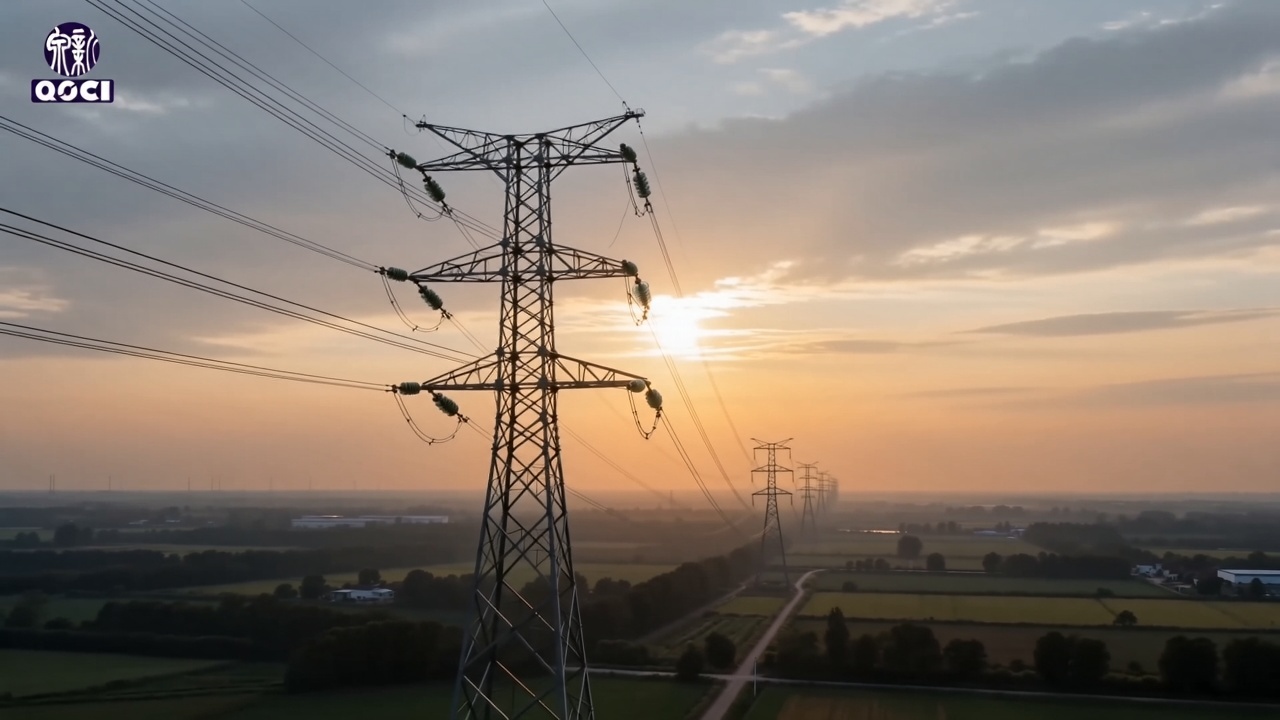
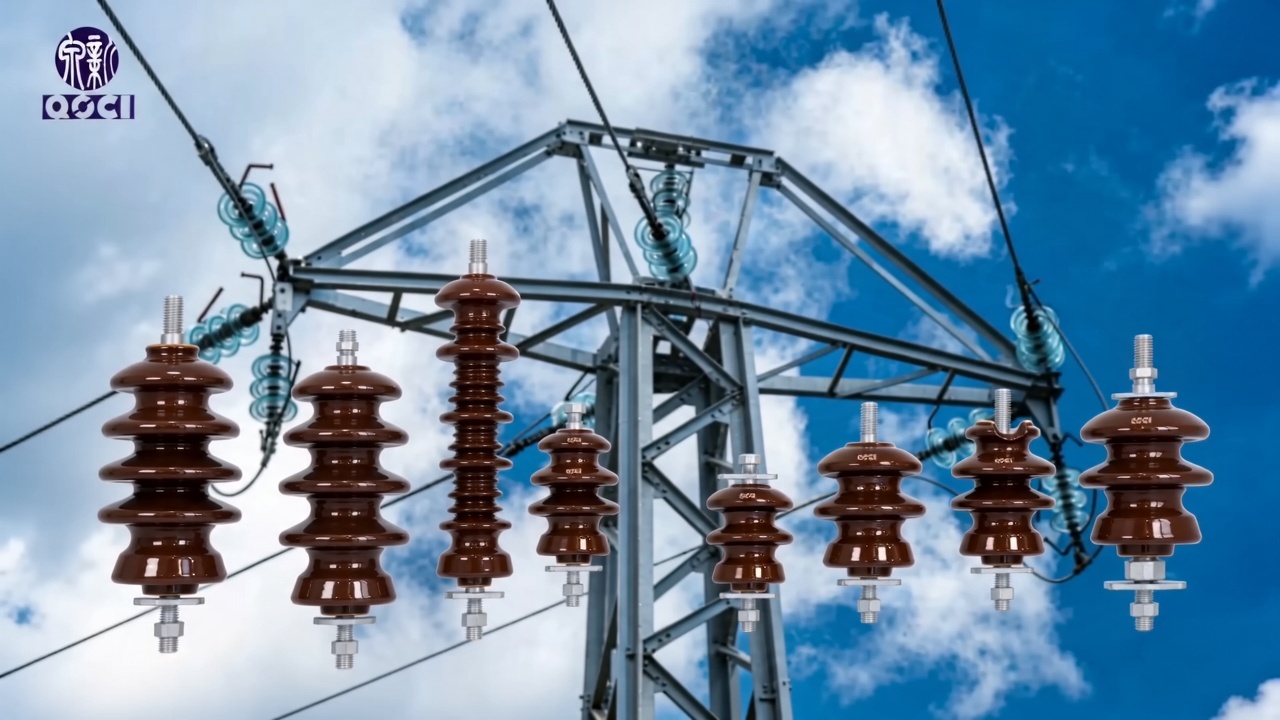
HOOK: Porcelain cracks without warning. Composite silicone quietly loses hydrophobicity. What if your transmission line insulation could be inspected 100% visually — with zero live-line testing?
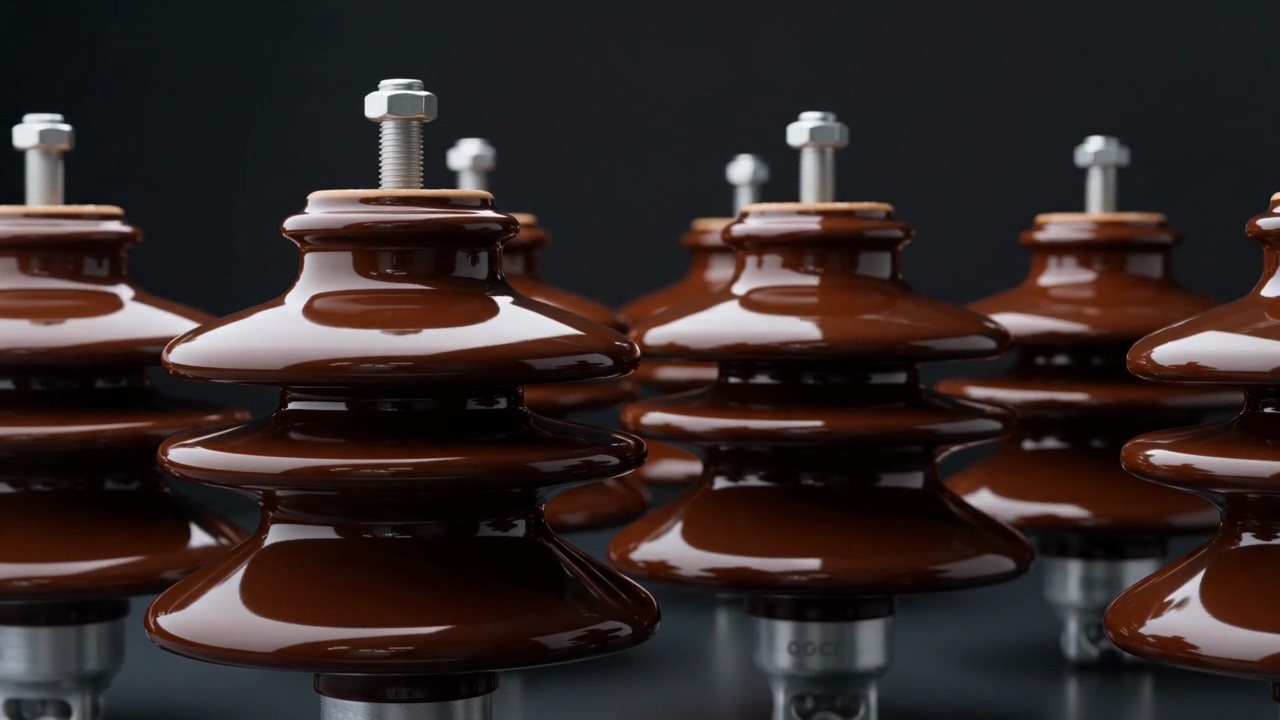
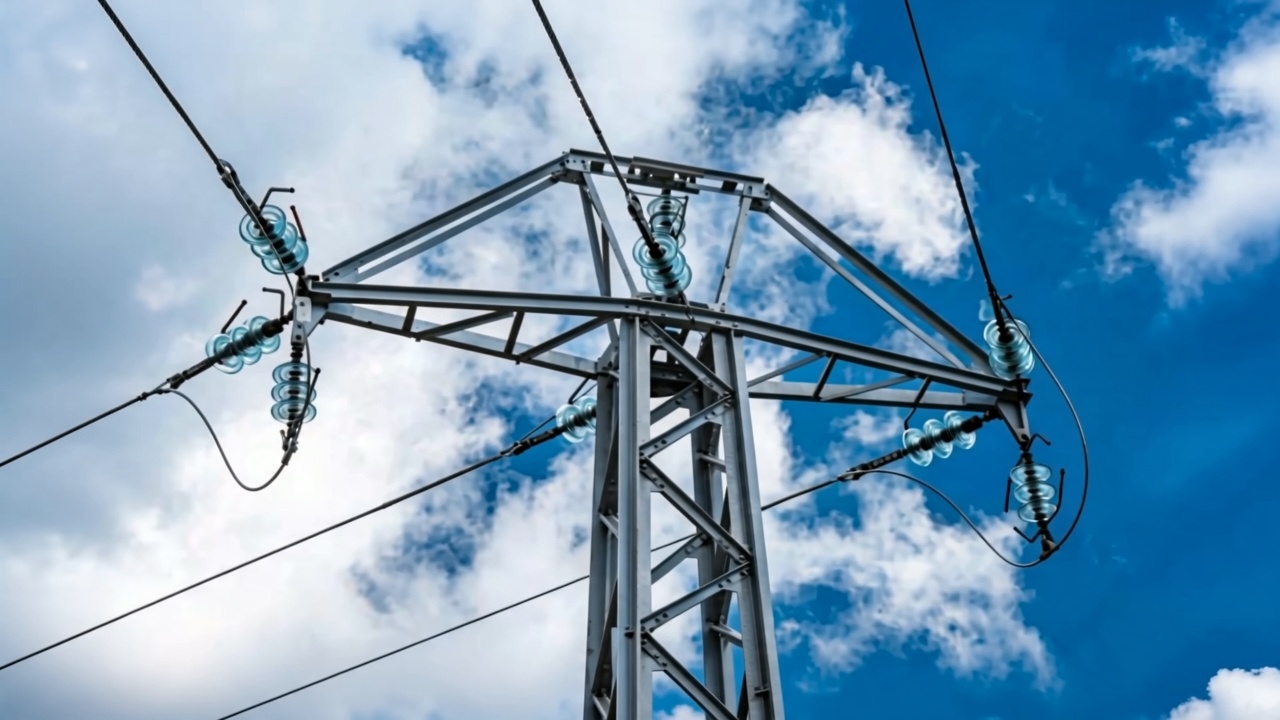
BODY: In this 15-second hard-data comparison, we put toughened glass insulators head-to-head against traditional porcelain/ceramic and composite silicone rubber insulators. You'll see why glass delivers 3-4× higher compressive strength than porcelain (800 MPa vs 300 MPa), a zero-value self-breaking feature that enables 100% visual defect detection, and hydrophobic performance with zero degradation over 30+ years — versus composite losing 5-8% per year in tropical climates.
Q: Are toughened glass insulators better than porcelain or composite insulators for UHV transmission lines?
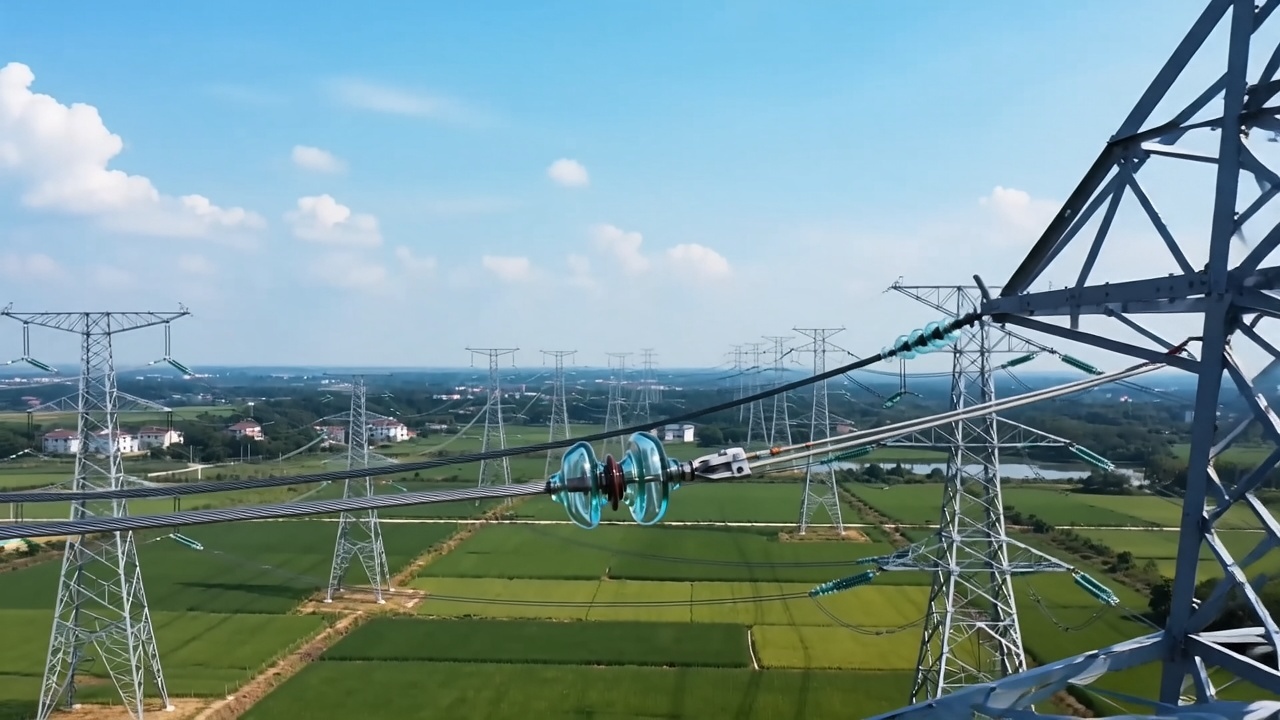
A: Toughened glass insulators offer 800 MPa compressive strength — 167% higher than composite (300 MPa) and 3-4× porcelain — plus zero-value self-breaking that allows 100% visual inspection without live-line testing. They are immune to UV aging and hydrophobicity loss, cutting maintenance workload by 70% and lifecycle cost by 25% versus porcelain, with a 30+ year designed lifespan proven in UHV/EHV lines across Uzbekistan, Ukraine, and Iraq.
Real-world results: 200,000+ pieces deployed across national grid projects in Uzbekistan, Ukraine, and Iraq — zero line-tripping incidents, pollution flashover down 85% vs porcelain baseline, and verified performance from -40°C to +55°C. Manufactured under ISO 9001:2015, ISO 14001:2015, and ISO 45001:2018 certification.
CTA: Which insulator technology is your grid standard? Drop your spec in the comments — our engineering team replies to every question. Follow Jiangxi Quanxin Electric for more factory-direct technical comparisons.
#manufacturing #factory #B2B #insulators #glasstinsulator #powertransmission #gridconstruction #UHV #electricalengineering #highvoltage #utilityindustry #energyinfrastructure
 ✓ Verified Elite Supplier